
Last updated November 21, 2026
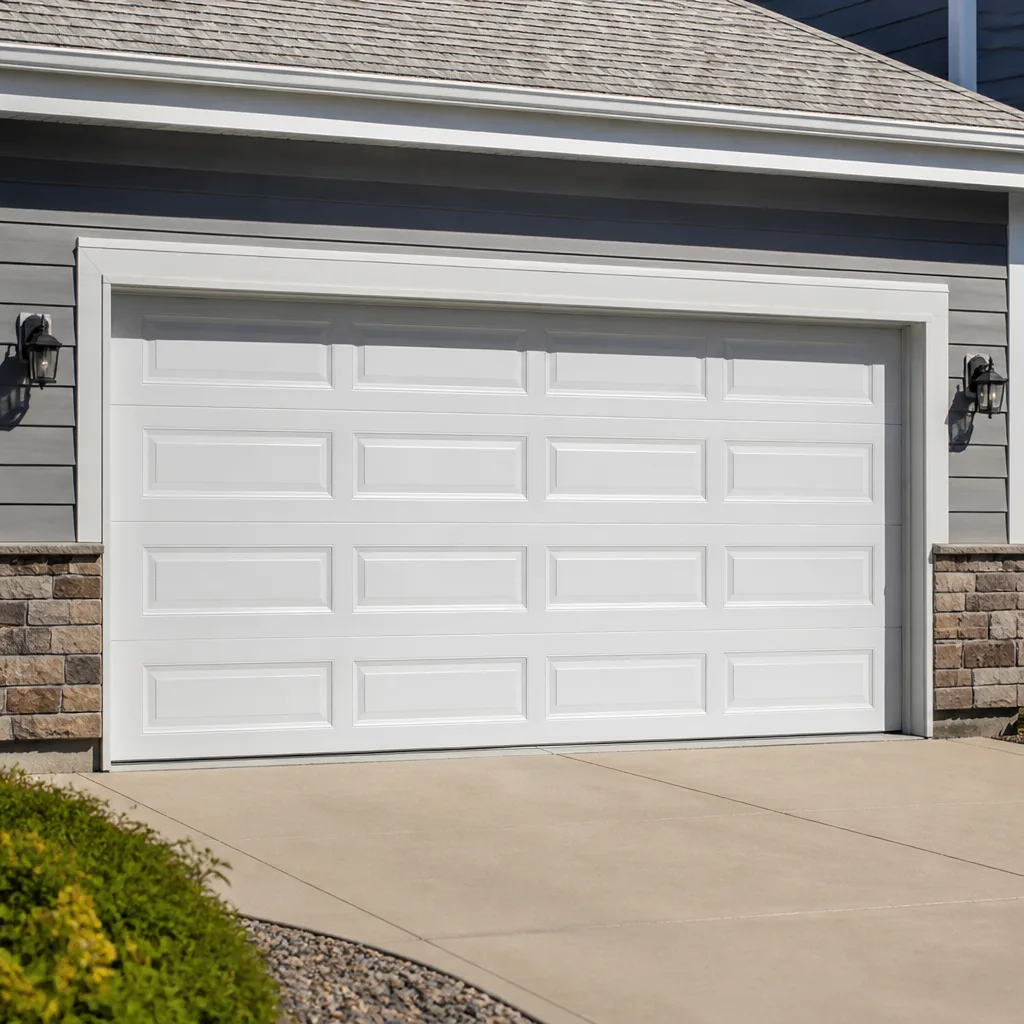 Raised-panel steel
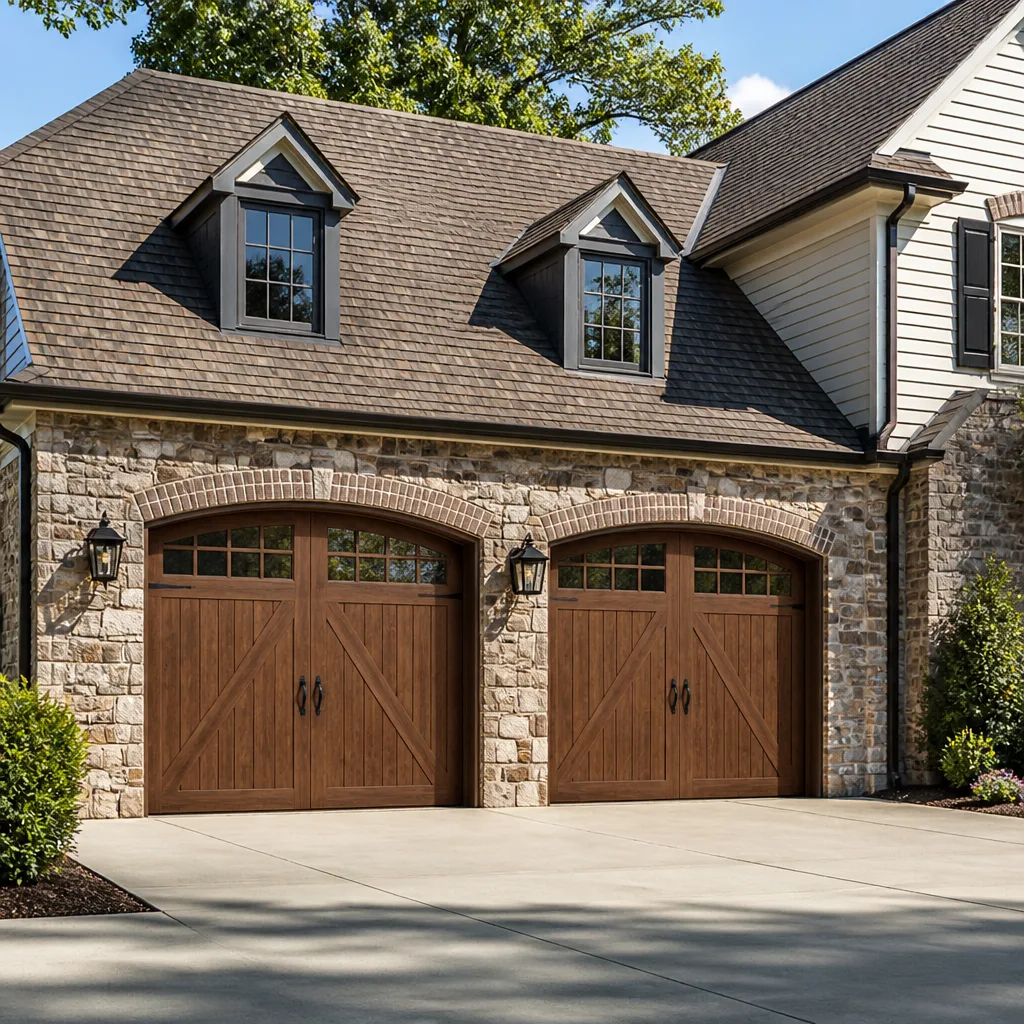 Carriage house
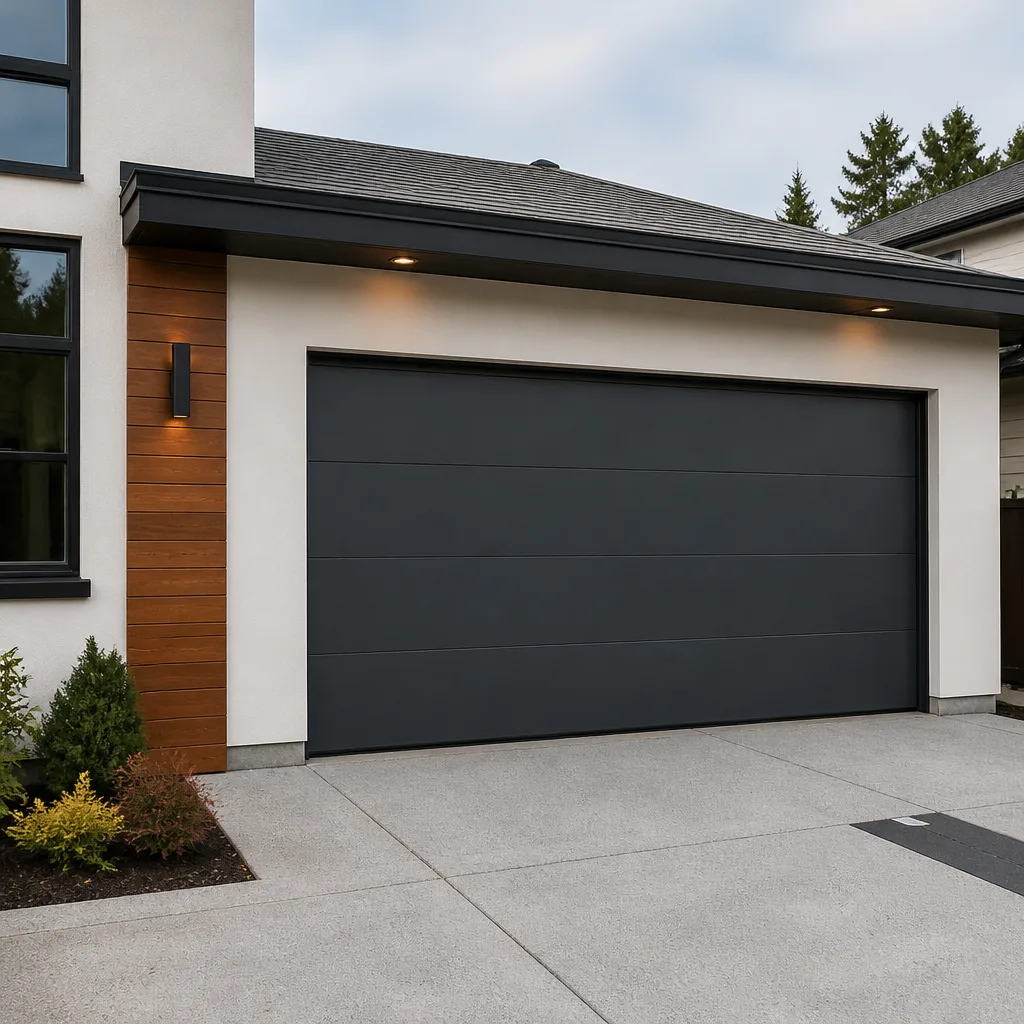 Modern flush
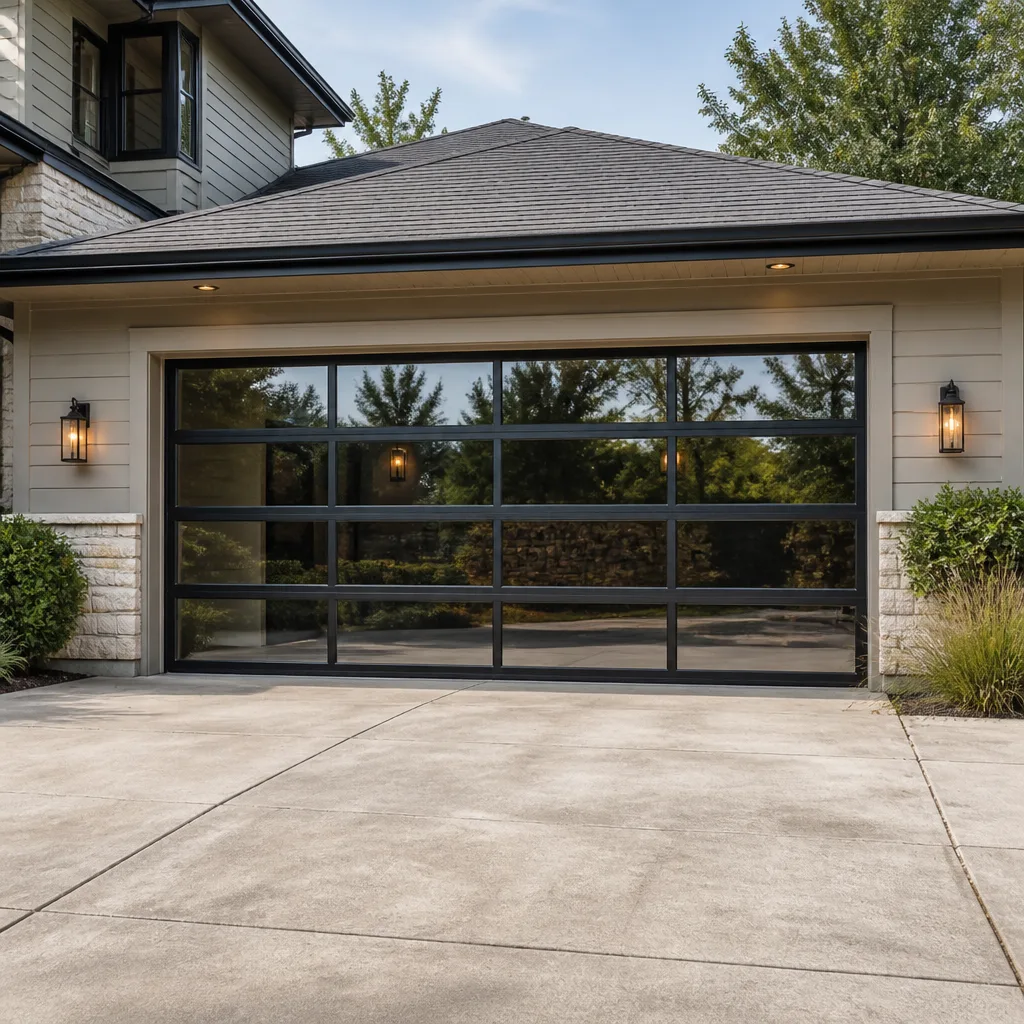 Full-view glass
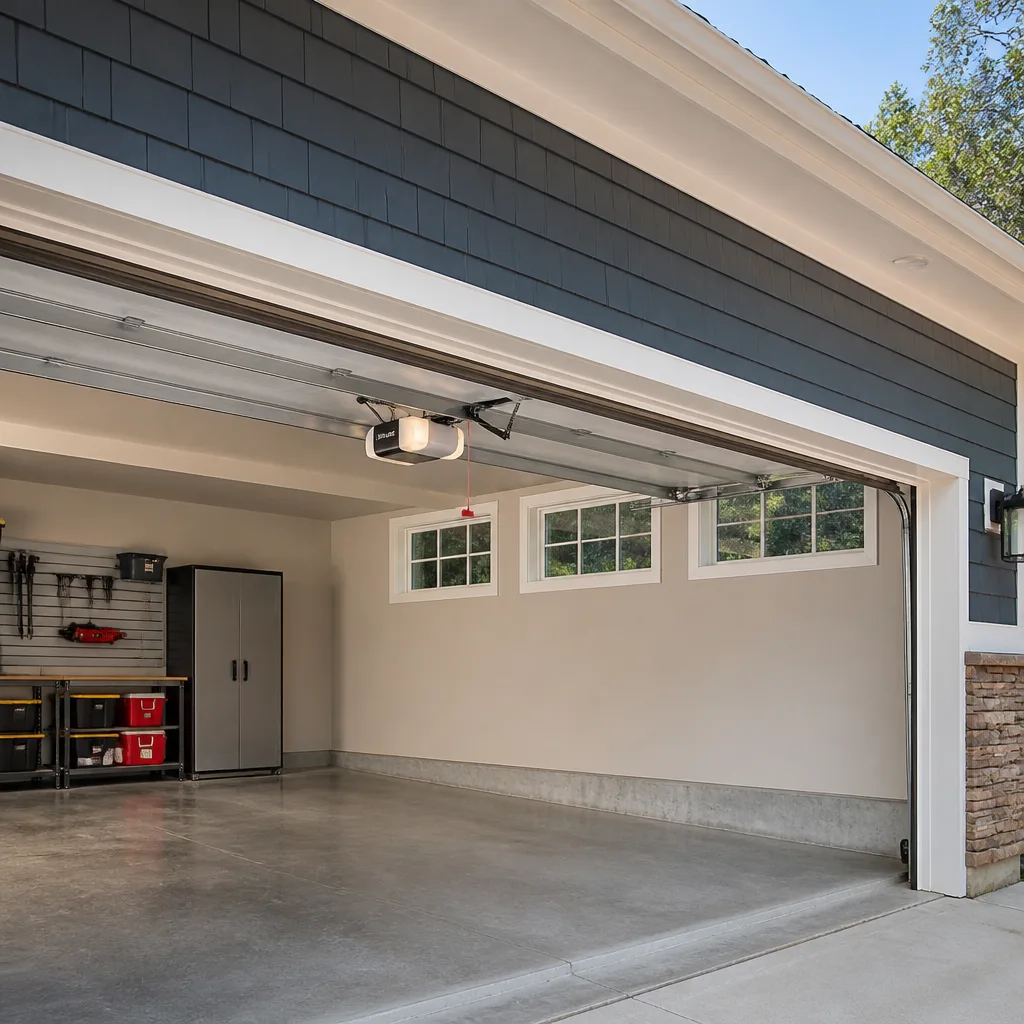 LiftMaster openers
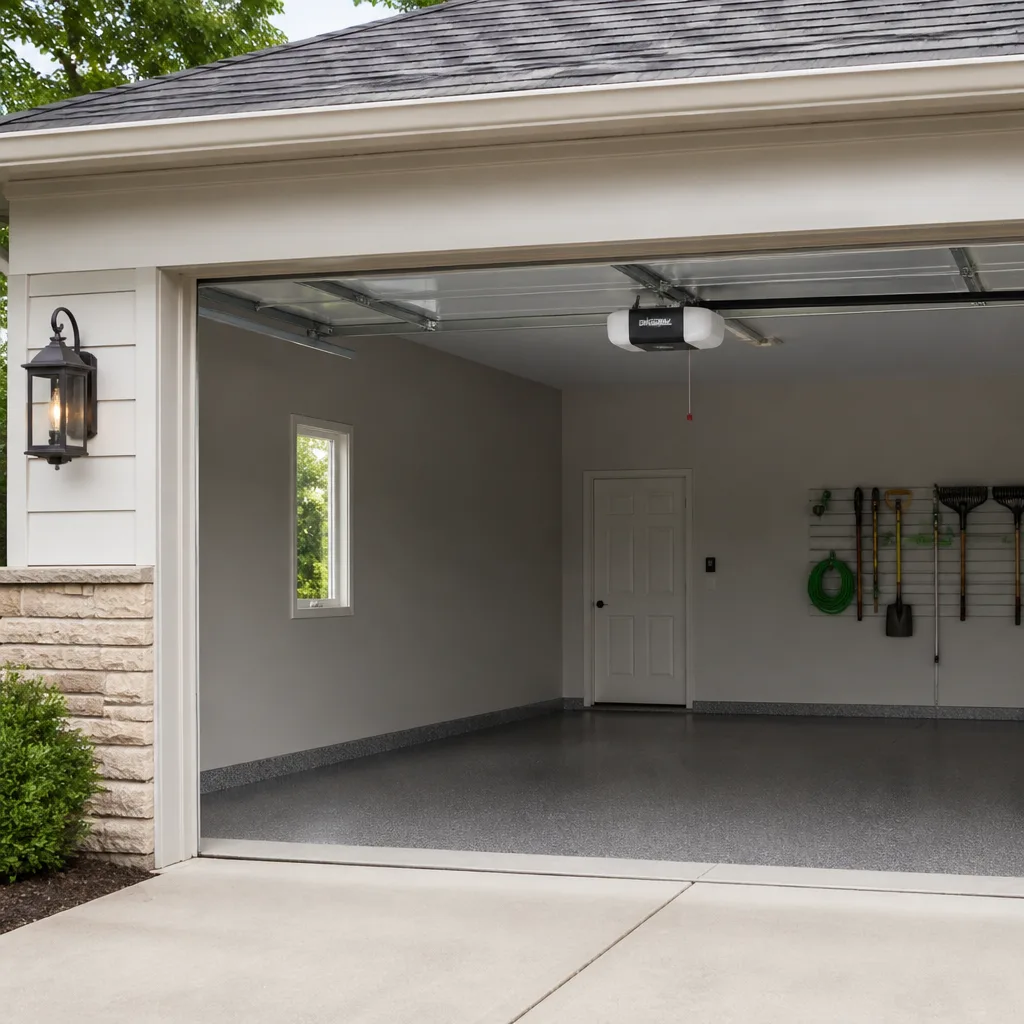 Chamberlain openers
Full 25-point door and opener safety check with every visit - springs, cables, rollers, tracks, and your LiftMaster or Chamberlain opener included
You get a price before we start. It does not change when the pro arrives.
Get your free estimateGarage Door Repair Maintenance Schedule: What to Do and When
Most garage door advice tells you to “inspect everything regularly,” which is about as useful as telling you to keep your car running by checking it. Here’s the thing we’ve learned after years of working on doors across East Harlem: maintenance isn’t about doing more tasks. It’s about doing four specific things at the right intervals so the door never fails on the morning you actually need to leave. The average residential door moves around 1,500 cycles a year, and most homeowners do zero maintenance on it. The door still works, right up until a cheap roller that needed a drop of oil six months ago finally seizes and the whole thing grinds to a halt. This guide gives you a real schedule built around how doors wear, not a copied checklist. We’ll cover cycles, the right lubricants (and why WD-40 is the wrong answer for all of them), how New York City’s temperature swings tear up your seals, and the two-minute test that tells you if your springs are on borrowed time.
Quick Answer
A workable garage door maintenance schedule has four core intervals: lubricate springs, hinges, and rollers every 6 months (or every 500 cycles for heavy use); test the safety reverse and balance monthly; inspect weatherstripping and hardware seasonally; and book a professional tune-up every 12 to 24 months. Everything else is secondary. If you hit those four, you’ll prevent the large majority of failures.
Styles & brands we work with
- Raised-panel steel
- Carriage house
- Modern flush
- Full-view glass
- LiftMaster openers
- Chamberlain openers
Table of Contents
- Why a Cycle-Based Schedule Beats a Calendar
- The Four Core Tasks and How Often to Do Them
- The Right Lubricant for Each Part (and Why WD-40 Isn’t One)
- How East Harlem’s Weather Wears Out Seals and Weatherstripping
- The Two-Minute Balance Test That Predicts Spring Failure
- Maintenance That Voids a Warranty, and Smart Openers That Track Their Own Intervals
- A Month-by-Month East Harlem Maintenance Calendar
- Common Mistakes to Avoid
Why a Cycle-Based Schedule Beats a Calendar
A cycle is one full open and one full close. That’s the unit your door actually wears in, and it’s the number that should drive your maintenance, not the date on the wall. A door on a busy East Harlem block where a household comes and goes several times a day can rack up two or three times the cycles of a door that opens once in the morning and once at night. Same calendar, very different wear.
Here’s a rough way to think about it. A single-car household with two drivers might put a door through 1,000 to 1,500 cycles a year. A multi-generational home or a property manager running a shared driveway in East Harlem can push well past that. Springs are rated in cycles, not years. A standard torsion spring is commonly rated somewhere in the neighborhood of 10,000 cycles. Divide that by your actual annual usage and you get your realistic service life.
What that means for scheduling:
- Light use (under 1,000 cycles a year): calendar-based maintenance every 6 months is fine.
- Average use (1,000 to 2,000 cycles): lubricate every 500 cycles or 6 months, whichever comes first.
- Heavy use (2,500+ cycles): lubricate every 3 months and get a professional inspection annually.
If you don’t know your cycle count, most modern openers can help. More on that in the warranty section. The point is simple: stop thinking in years and start thinking in how much the door actually moves. That single shift catches more problems before they strand you than any generic checklist. When a door does fail, our Garage Door Repair East Harlem team is built for same-day response, but the goal of this schedule is to make that call rare.
The Four Core Tasks and How Often to Do Them
If you only do four things, do these four. Everything else is supporting detail.
- Lubricate the moving metal parts every 6 months or 500 cycles. That means springs (torsion or extension), hinges, rollers, and the bearing plates at the ends of the torsion shaft. A few drops in the right places, not a spray-everything approach.
- Run the safety reverse test monthly. Put a solid object like a 2×4 flat on the floor in the door’s path and close the door. It should reverse on contact. If it doesn’t, stop using the door and get it looked at. This is a safety system, not a convenience feature.
- Do the balance test monthly. We cover this in detail below. It’s the single best early warning you have for spring wear.
- Inspect weatherstripping, bottom seal, and hardware every season. In East Harlem that means four times a year, because our temperature swings are hard on rubber and the door’s frame.
Notice what’s not on here: no annual painting ritual, no disassembly. Those aren’t homeowner tasks. This schedule is deliberately short because a schedule you’ll actually follow beats a 40-item list you’ll ignore. For anything beyond lubrication and visual inspection, a professional tune-up every 12 to 24 months covers the parts you shouldn’t be touching. We handle that as part of full garage door repair when something’s already wrong, and as preventive service when it isn’t.
The Right Lubricant for Each Part (and Why WD-40 Isn’t One)
This is where most DIY maintenance goes wrong, and it goes wrong in a way that costs you money later. WD-40 is a solvent and a light water displacer. It is not a lubricant for garage door parts. It strips away the grease that’s supposed to be there, attracts dust, and leaves metal running dry. Every single part below has a correct answer, and none of them is WD-40.
- Torsion and extension springs: A dedicated garage door spring lubricant or a lithium grease designed for metal-on-metal contact. Spray it along the coil and wipe the excess. Don’t soak them.
- Hinges: A few drops of light machine oil at each pivot point. Wipe the excess so grit doesn’t collect.
- Rollers: Here it depends on the type. Nylon rollers generally want no lubricant at all; they run clean and dry. Steel rollers need light oil. If you’re not sure which you have, look before you spray.
- Tracks: Nothing oily. Tracks should be wiped clean with a damp cloth and left dry. Oil in the tracks grabs dirt and turns into a grinding paste. The carriage runs in the track, not on it.
- Opener rail and chain (if chain-drive): The manufacturer’s specified grease, applied sparingly. This is one place reading the manual pays off.
We work on LiftMaster and Chamberlain openers constantly, and their drive systems have specific lubrication expectations that differ from one model to the next. If you’re ever unsure, the manual that came with your opener is the last word. Using the right product on the right part is exactly what we mean by “the right part for your specific door, not a workaround” – and lubrication is the cheapest version of that principle you’ll ever practice.
How East Harlem’s Weather Wears Out Seals and Weatherstripping
East Harlem gives a garage door a specific kind of hard time. Our summers are humid and sticky, and our winters swing cold enough to make rubber stiff and brittle. That summer-to-winter gap is what kills bottom seals and perimeter weatherstripping faster than steady conditions ever would. Rubber that’s been softened by months of humidity and then hit with a hard freeze loses its flexibility. It cracks, it flattens, and it stops sealing.
What that looks like in practice:
- Bottom seal: Check it every season. The bottom weatherstrip is the door’s main barrier against drafts, water, and pests. When it flattens or tears, you’ll feel a draft at the floor line and may see daylight under a closed door.
- Perimeter weatherstripping: The wood or vinyl stops around the frame take the brunt of the temperature swings. Look for gaps, cracking, or pieces pulling away from the frame.
- Wood components: On older doors common in East Harlem’s housing stock, wood panels and frame stops swell in humid months and shrink in cold ones. That movement can loosen hardware and open small gaps. Paint and caulk are real maintenance, not decoration.
Our humidity swings also affect the metal itself. Steel tracks and hinges expand and contract a little with temperature, which is one reason hardware bolts work loose over a season. A quick tighten-and-inspect pass each season catches it before a loose bolt turns into a misaligned track. If a door has drifted out of alignment, that’s usually where a professional visit makes more sense than a homeowner fix, and our garage door opener repair and door adjustment service handles it in one trip.
The Two-Minute Balance Test That Predicts Spring Failure
Springs don’t announce themselves. They lose tension gradually, and the door gets heavier and heavier without you noticing until one morning it won’t lift or a spring lets go with a bang. The balance test is your early warning system, and it takes about two minutes.
- Close the door fully and disconnect the opener using the manual release cord.
- Lift the door by hand to about waist height and let go.
- A properly balanced door should hold roughly in place, maybe drifting slightly. It should not slam down or creep upward on its own.
- Repeat at knee height and chest height. The door should feel similar at each point.
- If the door feels heavy, drops fast, or needs real effort to lift, your springs are losing tension. Reconnect the opener and stop using the door until it’s inspected.
A safety note that matters. The balance test is lifting and letting go. It is not a repair. Torsion springs and the cables under tension are the most dangerous components on a garage door; they store enough energy to cause serious injury, and they are not a homeowner job. Do not attempt to adjust, wind, or replace a spring yourself under any circumstances. If the balance test flags a problem, that’s the moment to call a trained professional. Spring work is one of the most technically demanding jobs in this trade, and it’s a core part of what we do.
In East Harlem, where doors see real daily use, run this test monthly. It’s the difference between replacing a spring on your schedule and replacing it on the morning it snaps.
Maintenance That Voids a Warranty, and Smart Openers That Track Their Own Intervals
Here’s the part nobody tells you: some “maintenance” does more harm than good, and a few tasks can affect your warranty if done incorrectly. Manufacturers set expectations about how their products are serviced, and going off-script can complicate a claim.
Tasks to leave to a professional:
- Spring adjustment and replacement. High-tension work. Not a DIY task, both for safety and for warranty reasons.
- Cable replacement. Same category. Cables are under extreme tension.
- Track realignment. Bending tracks back into place incorrectly can crack them or misalign the whole system.
- Opener internal repairs. Motor, gear, and logic board work. Opening the unit can affect coverage.
- Panel replacement. Getting the wrong panel is a common and expensive error. A Clopay panel or an Amarr panel has to match your specific door, not “close enough.”
On the flip side, some modern openers help you stay on schedule automatically. Several LiftMaster and Chamberlain models with Wi-Fi connectivity can alert you through their app when service is due or when the opener detects an issue. If you own one of these, set the reminder and treat it as your maintenance prompt. If your opener is a Craftsman or an older Raynor unit without smart features, keep a simple calendar reminder instead. Either way, the schedule is the same; only the reminder differs. If your opener’s own diagnostics are pointing at a problem, our garage door installation and opener service team can confirm whether it’s a repair or a replacement.
A Month-by-Month East Harlem Maintenance Calendar
If you want a calendar version of the cycle-based schedule, here’s how it maps to an East Harlem year. Adjust for your actual usage.
- Spring (March to May): Post-winter inspection. Check weatherstripping for cracking from the cold, look for loose hardware, and do a full lubrication pass. Clean and dry the tracks.
- Early summer (June): Balance test and safety reverse test. Confirm the opener’s safety sensors are aligned and clean.
- Mid-summer (July to August): Humidity season. Inspect seals and wood components for swelling and gaps. Re-lubricate if you’re on a heavy-use schedule.
- Fall (September to October): Pre-winter prep. Replace any worn bottom seal now, before the cold makes rubber brittle. Tighten hardware that loosened over the season. Book a professional tune-up if it’s been a year or more.
- Winter (November to February): Watch for stiffness and unusual sounds in cold weather. Monthly balance and safety tests.
Run the balance and safety reverse tests monthly on top of this, and you’re covering the important ground. For anyone in East Harlem with a shared driveway or a door that runs several times a day, compress the lubrication interval to every three months and add a professional inspection each year. That’s the whole schedule. It’s shorter than you expected, and that’s the point.
Common Mistakes to Avoid
- Spraying WD-40 on everything. It feels like maintenance and isn’t. It strips protective grease and leaves parts running dry, which accelerates the wear you were trying to prevent.
- Oiling the tracks. Tracks run dry on purpose. Oil in the tracks collects dirt and grit and turns a smooth glide into a grind. Wipe them clean, don’t lube them.
- Skipping the balance test. It’s the cheapest early warning you have. Most spring failures give warning signs for weeks; the test catches them if you run it.
- Ignoring weatherstripping until winter. In East Harlem, replace a worn bottom seal in the fall while it’s still pliable. Doing it in January when the rubber’s stiff is harder on you and the door.
- Attempting spring or cable work yourself. This is the mistake with the highest stakes. Those components are under extreme tension and cause serious injuries. Call a professional.
- Assuming all rollers are the same. Nylon rollers want no oil; steel rollers do. Lubricating a nylon roller does nothing, and skipping a steel one leaves it dry.
- Never getting a professional look. Homeowner maintenance catches a lot, but a trained eye finds worn cables, failing hinges, and spring wear that aren’t obvious. An annual or biennial tune-up is worth it.
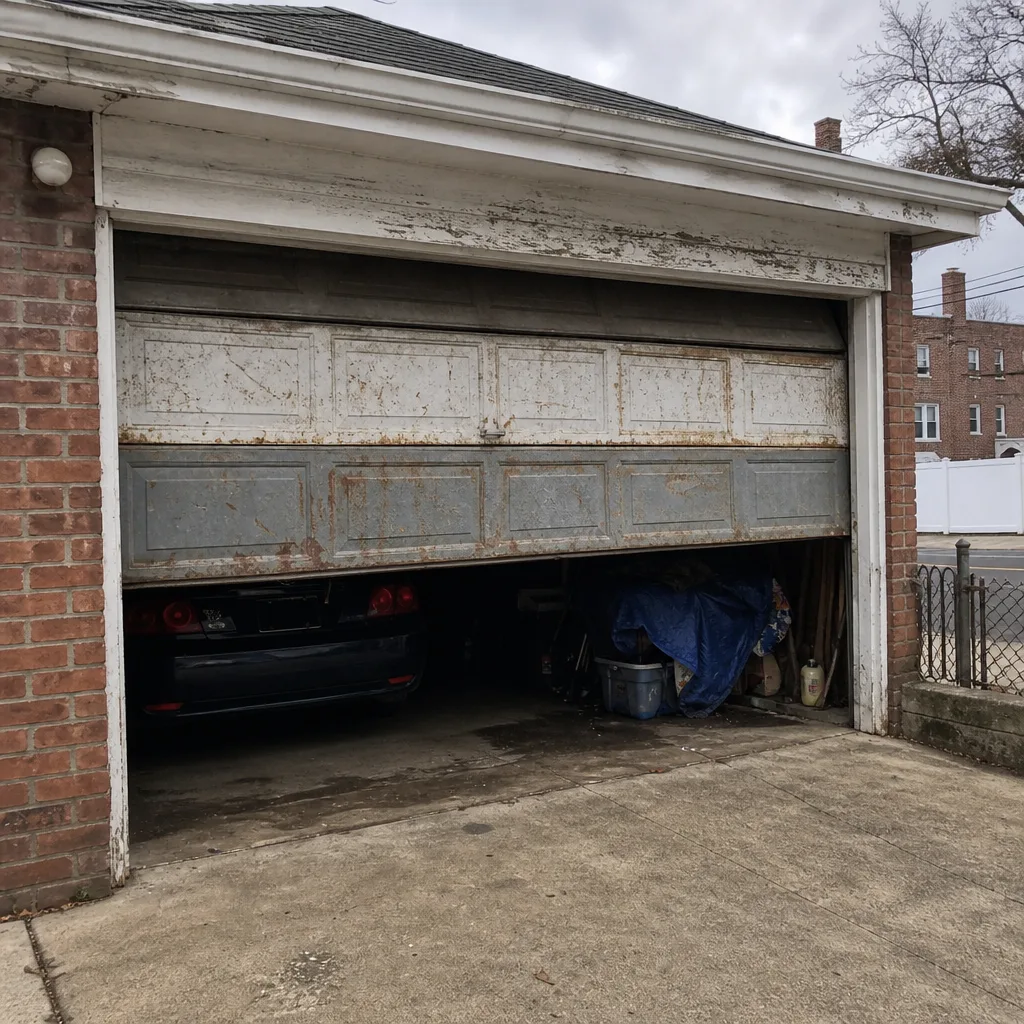
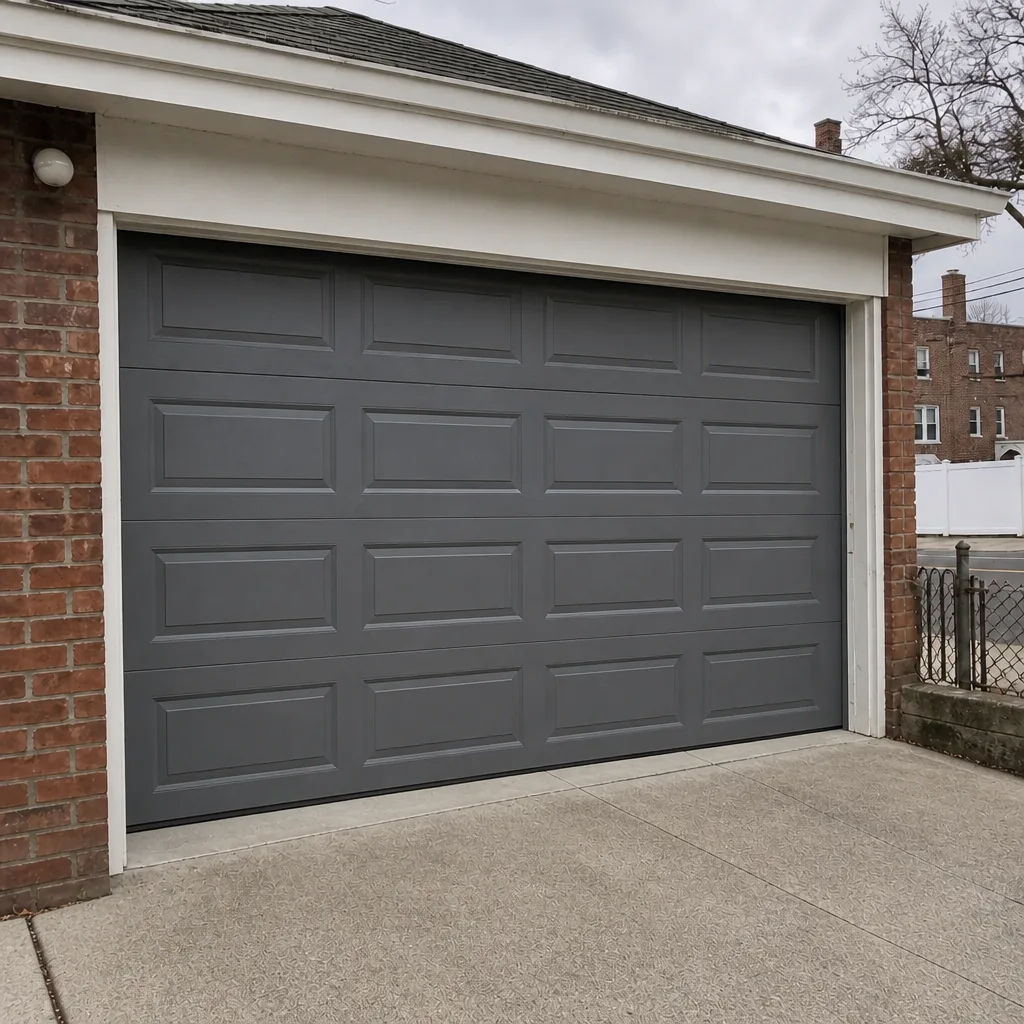
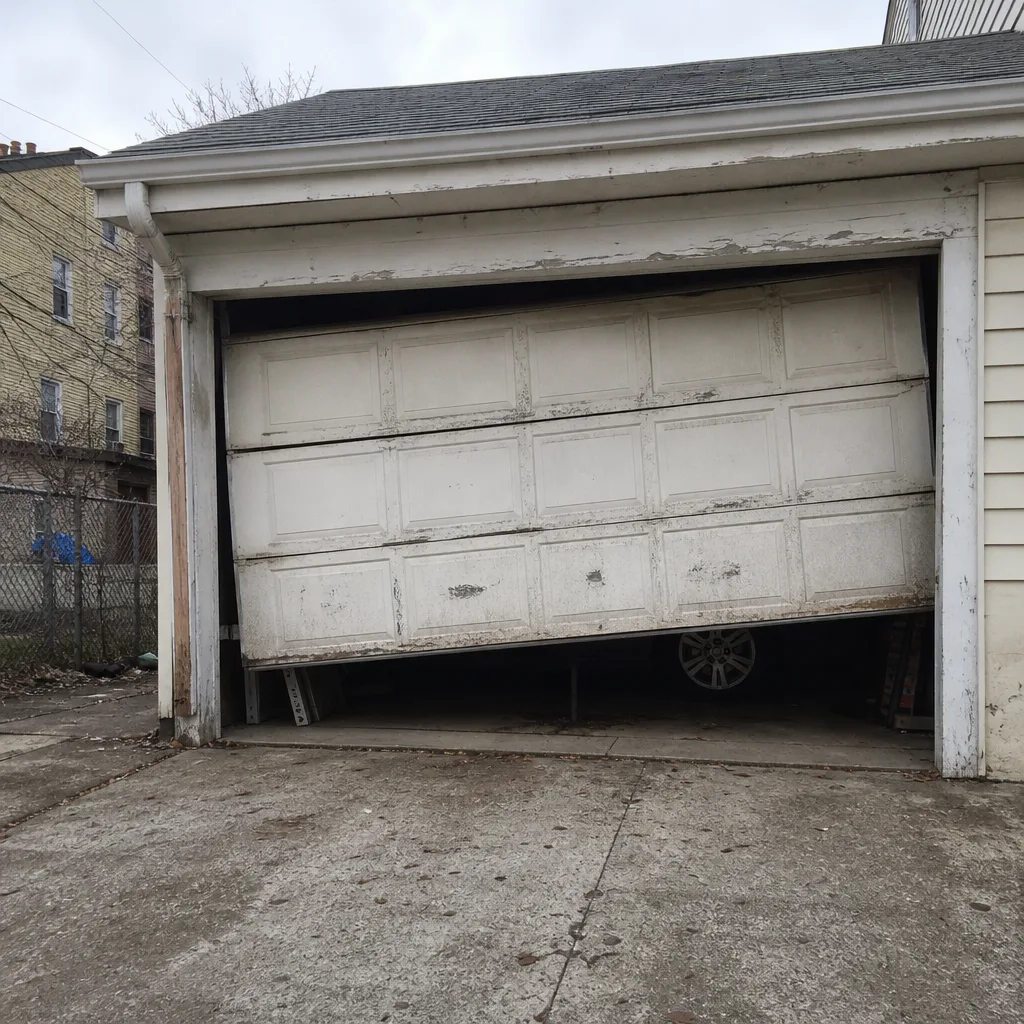
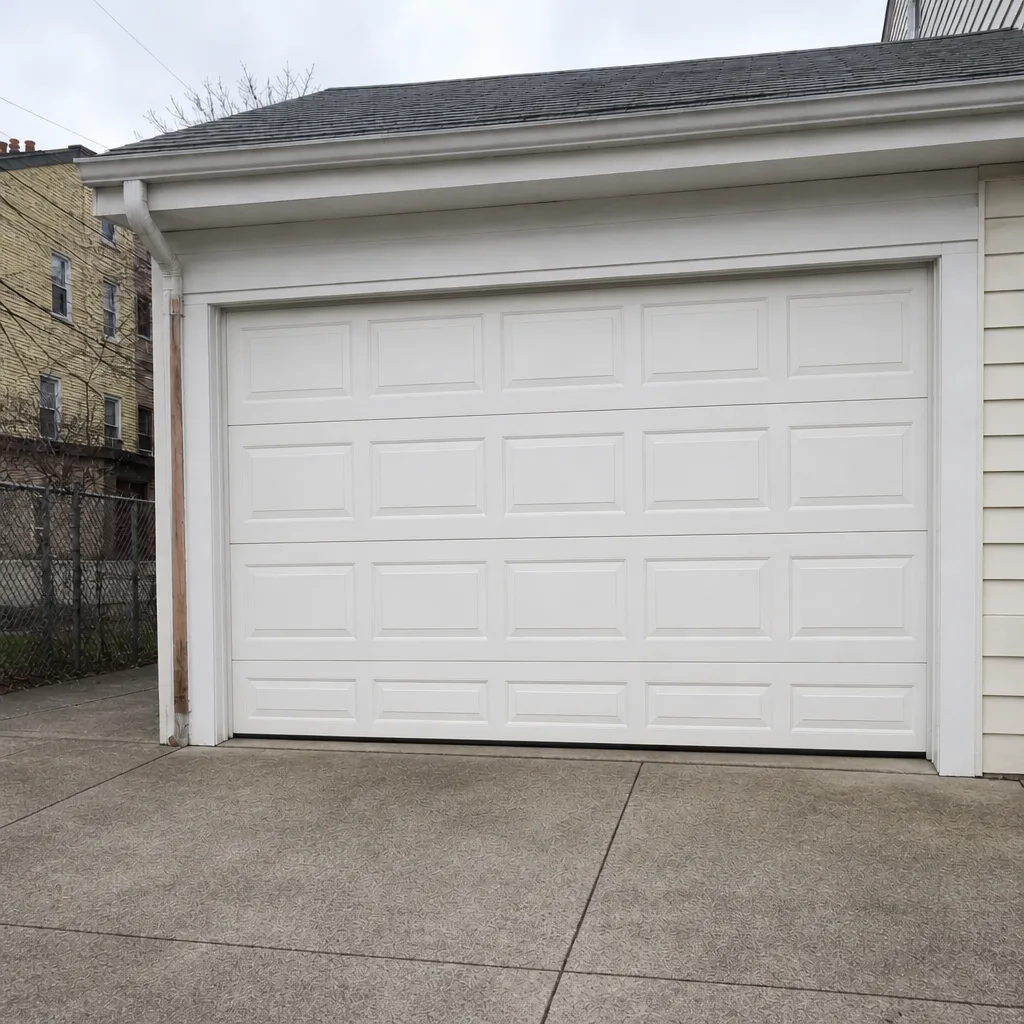
See the difference
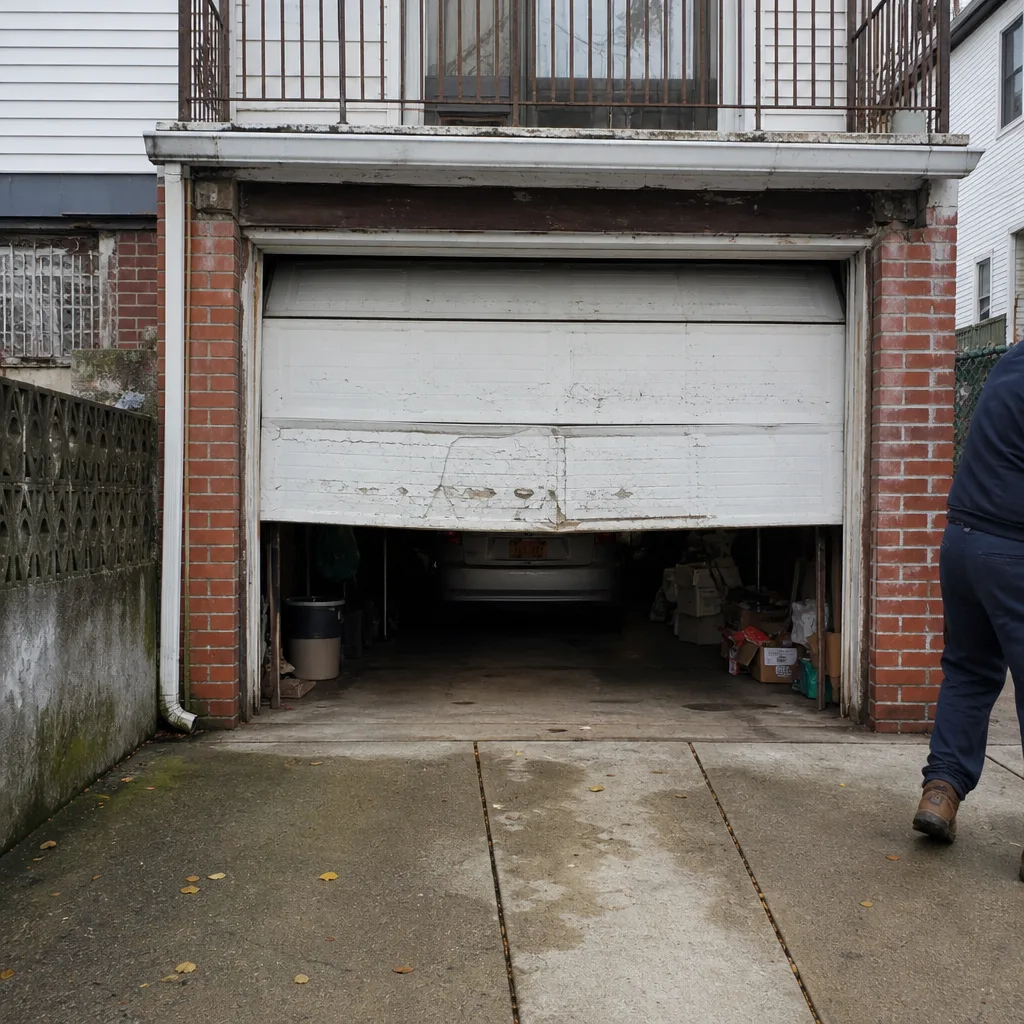 Before
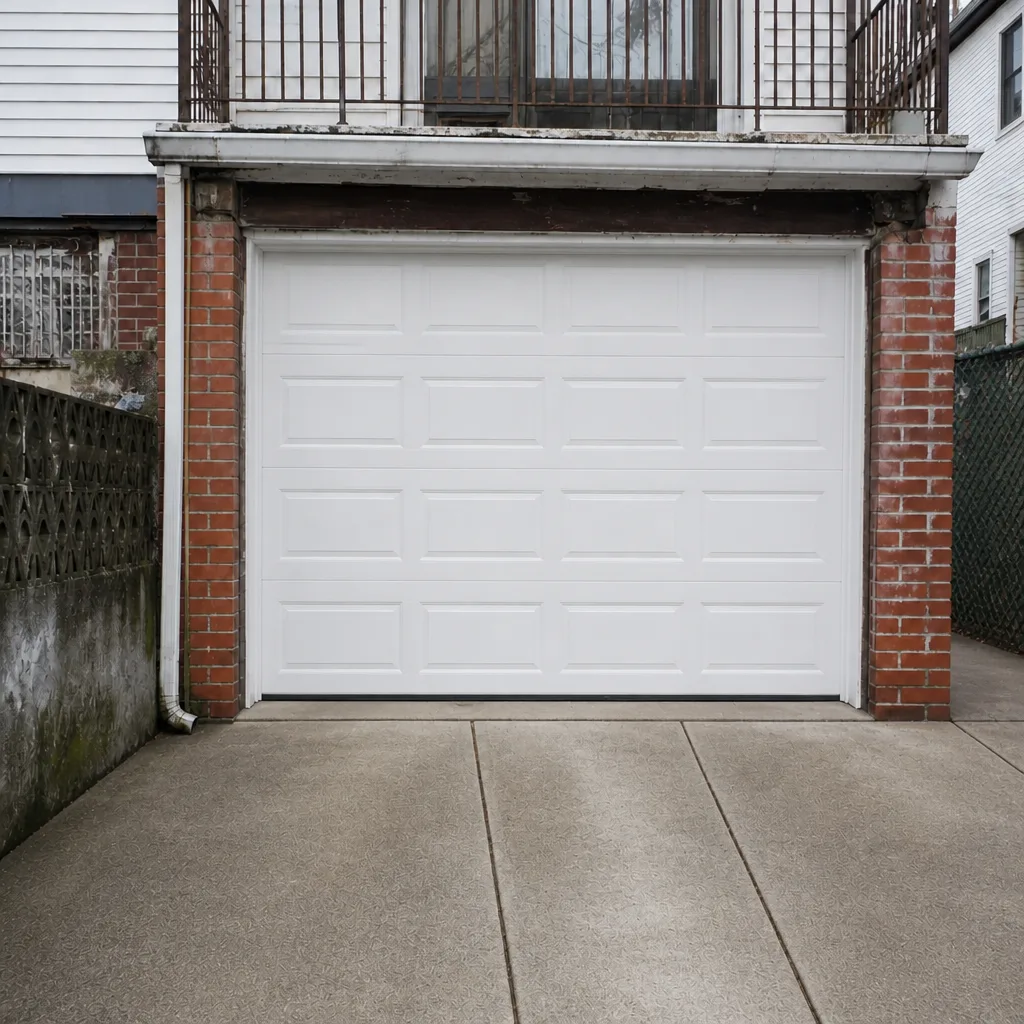 After
 Before
 After
 Before
 After
When to Call a Professional
Some problems are maintenance. Some are repairs. Call a professional when the balance test shows the door is heavy or drops fast, when you hear a bang from the garage followed by a door that won’t lift, when the safety reverse test fails, when the door has come off its track, when cables look frayed or slack, or when the opener runs but the door doesn’t move. Those are all cases where continuing to operate the door can make things worse or put someone at risk. Routine lubrication, visual inspection, and seal replacement are fine to handle yourself; spring, cable, track, and opener work should go to a trained technician. Garage Door Repair East Harlem offers free estimates in East Harlem. Call (866) 401-4528. We answer 24/7. Fast dispatch from 7am to 7pm, Sunday through Friday.
Frequently Asked Questions
Lubricate every 6 months or 500 cycles, whichever comes first, and get a professional tune-up every 12 to 24 months. Heavy-use doors in East Harlem should be lubricated every 3 months and inspected annually. The cycle count matters more than the calendar, because a door that opens ten times a day wears faster than one that opens twice.
Yes, for springs, hinges, and the appropriate rollers. Use a dedicated spring lubricant or lithium grease on springs, light machine oil on hinges, and nothing on nylon rollers or the tracks. Never use WD-40, and never attempt to adjust or replace springs or cables yourself, since they’re under extreme tension and cause serious injuries. Call (866) 401-4528 if you’re unsure what your door needs.
It’s a two-minute check that tells you if your springs are losing tension. Disconnect the opener, lift the door to waist height, and let go. A balanced door holds roughly in place. A door that drops fast or feels heavy needs professional attention. Run it monthly. If it fails, stop using the door and call us at (866) 401-4528.
Yes. The humidity swings between summer and winter here are hard on bottom seals and perimeter weatherstripping, so inspect and replace those on a seasonal basis rather than waiting for visible damage. Replace a worn bottom seal in the fall while the rubber is still flexible, not in the middle of winter.
It can complicate a claim, and some incorrect maintenance actually can affect coverage. The bigger warranty risks are amateur spring, cable, and opener-internal work. Stick to the manufacturer’s specified products and leave high-tension components to a professional. Our technicians work with LiftMaster, Chamberlain, Genie, Clopay, Amarr, Wayne Dalton, Craftsman, and Raynor products and know their service expectations.
Treat it as your maintenance prompt. Several LiftMaster and Chamberlain smart openers track cycles and flag when service is due. Follow the reminder, then run your own balance and safety reverse tests. If the reminder points to a repair rather than routine service, call us at (866) 401-4528. We answer 24/7.
The Bottom Line
Garage door maintenance is four tasks, not forty. Lubricate the right parts with the right products every 6 months or 500 cycles. Test the balance and safety reverse monthly. Inspect seals and hardware every season, especially given East Harlem’s humidity and temperature swings. Get a professional tune-up every 12 to 24 months, and leave spring, cable, track, and opener work to trained hands. That schedule keeps the door running quietly and stops the failures that strand you on a Tuesday morning. When something does need a repair, our team at Garage Door Repair East Harlem is one call away for a free estimate. Call (866) 401-4528. We answer 24/7. Fast dispatch from 7am to 7pm, Sunday through Friday.
Written by the team at Garage Door Repair East Harlem.