
Last updated November 21, 2026
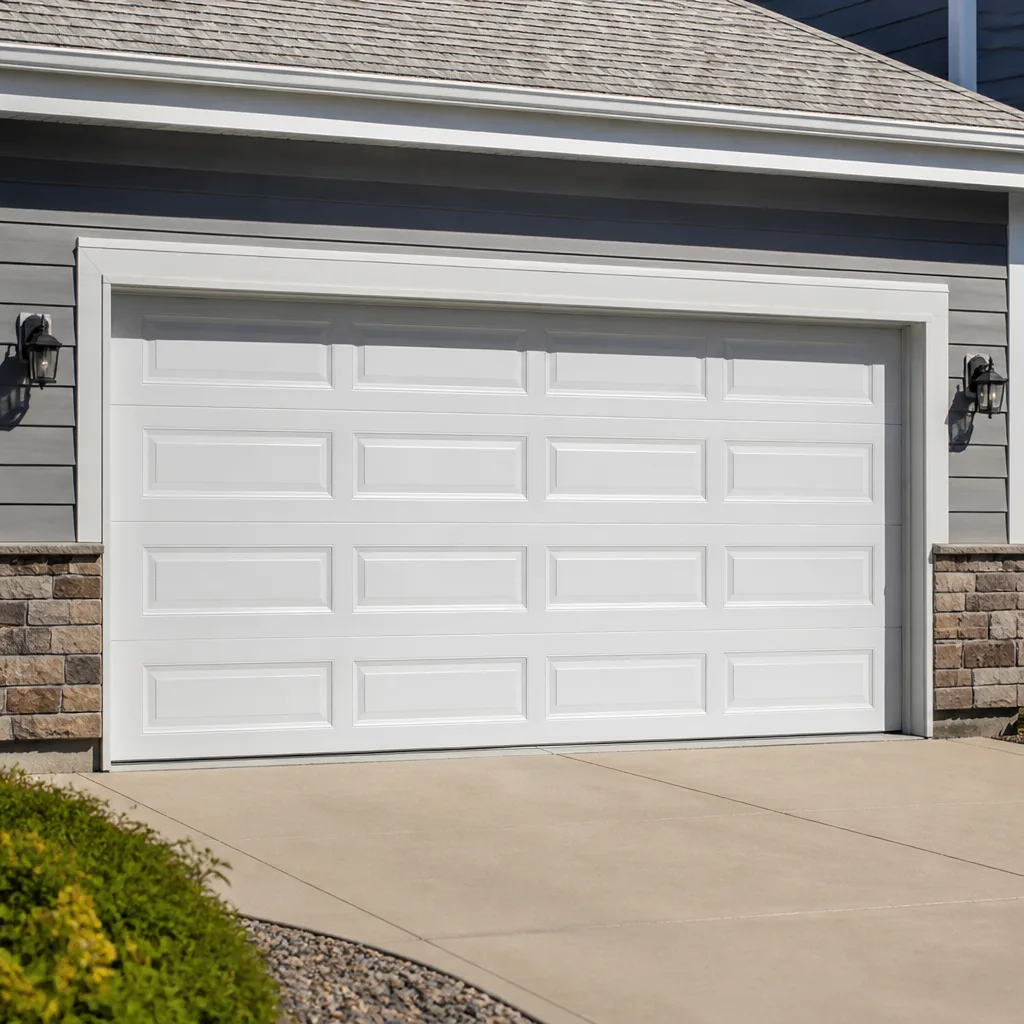 Raised-panel steel
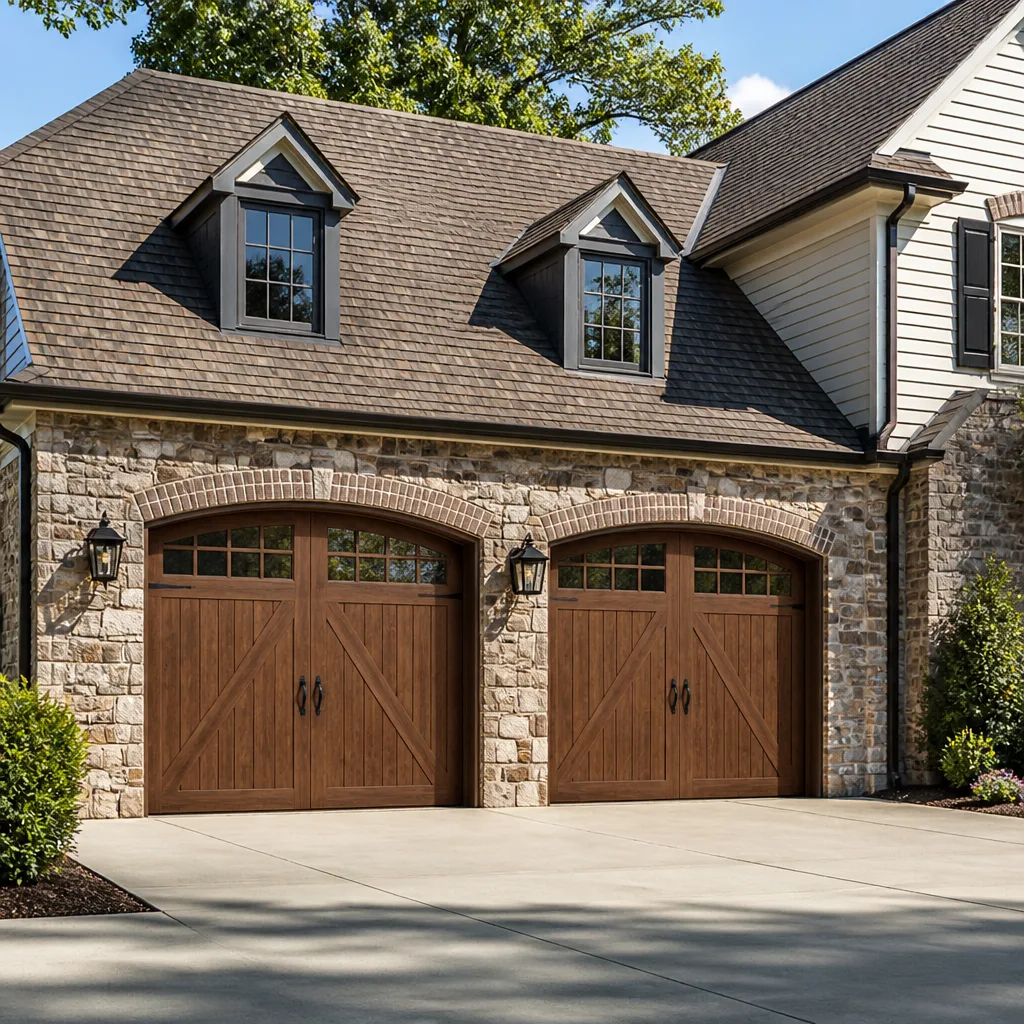 Carriage house
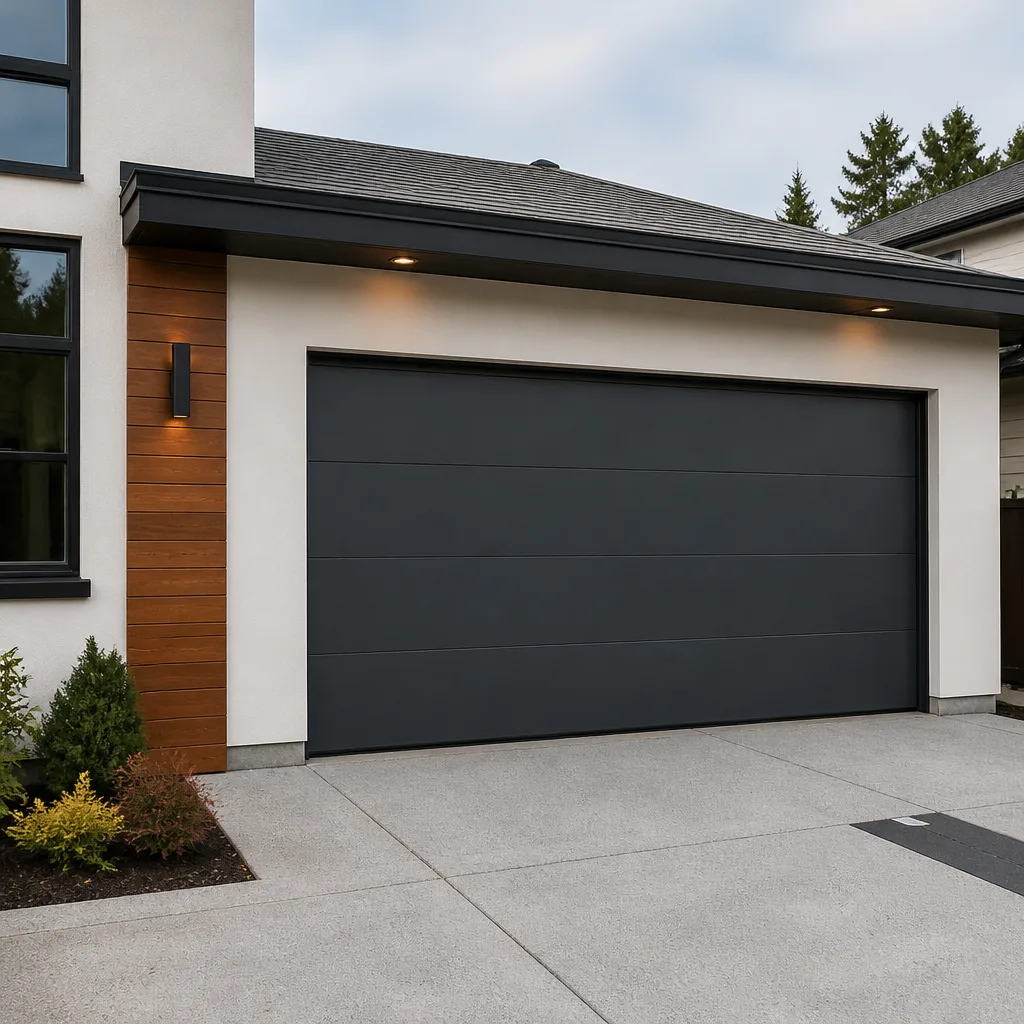 Modern flush
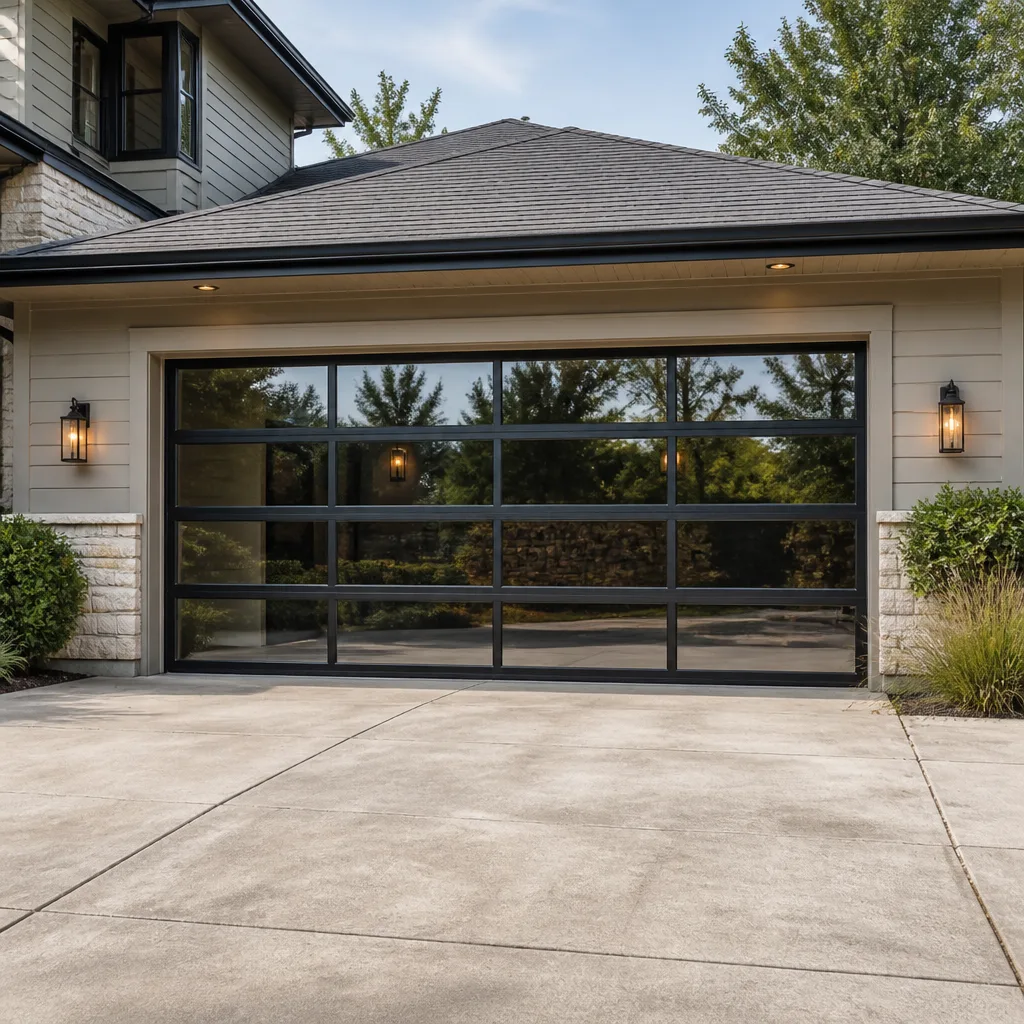 Full-view glass
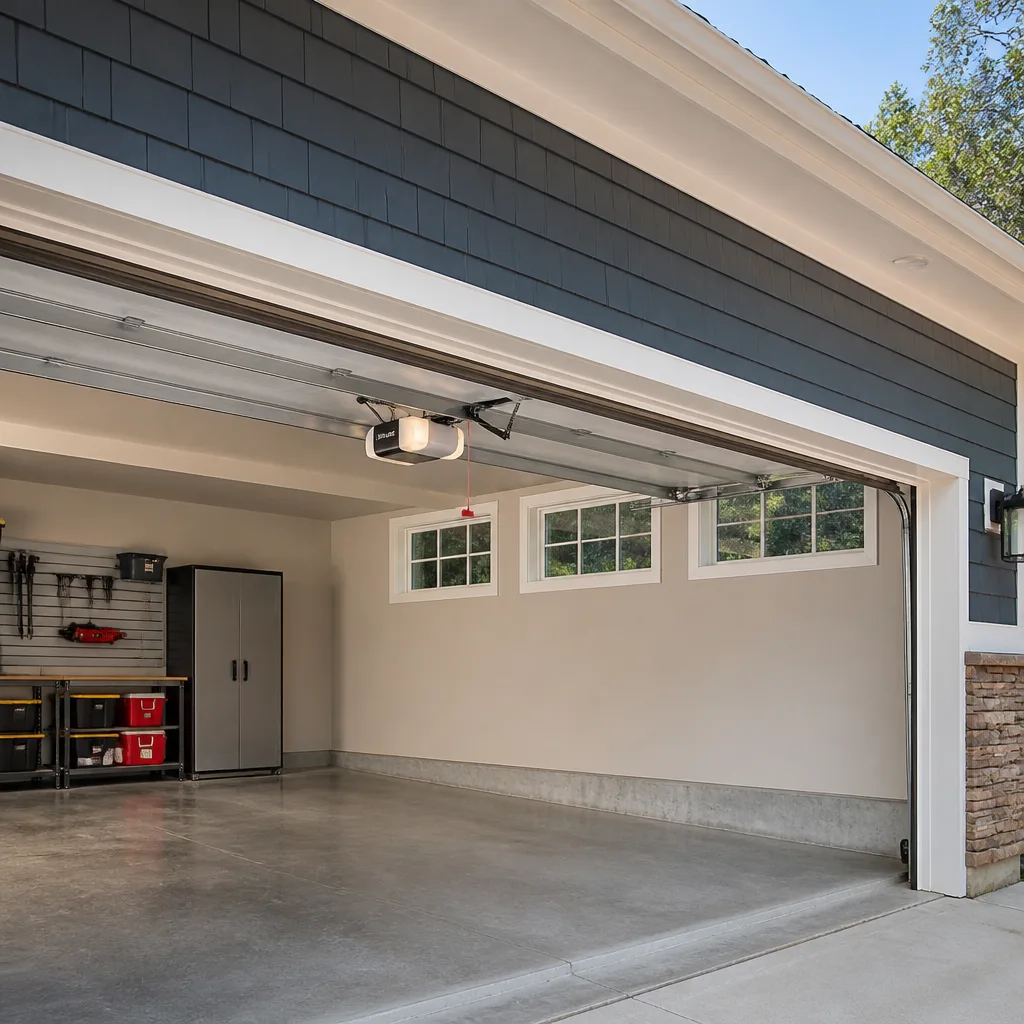 LiftMaster openers
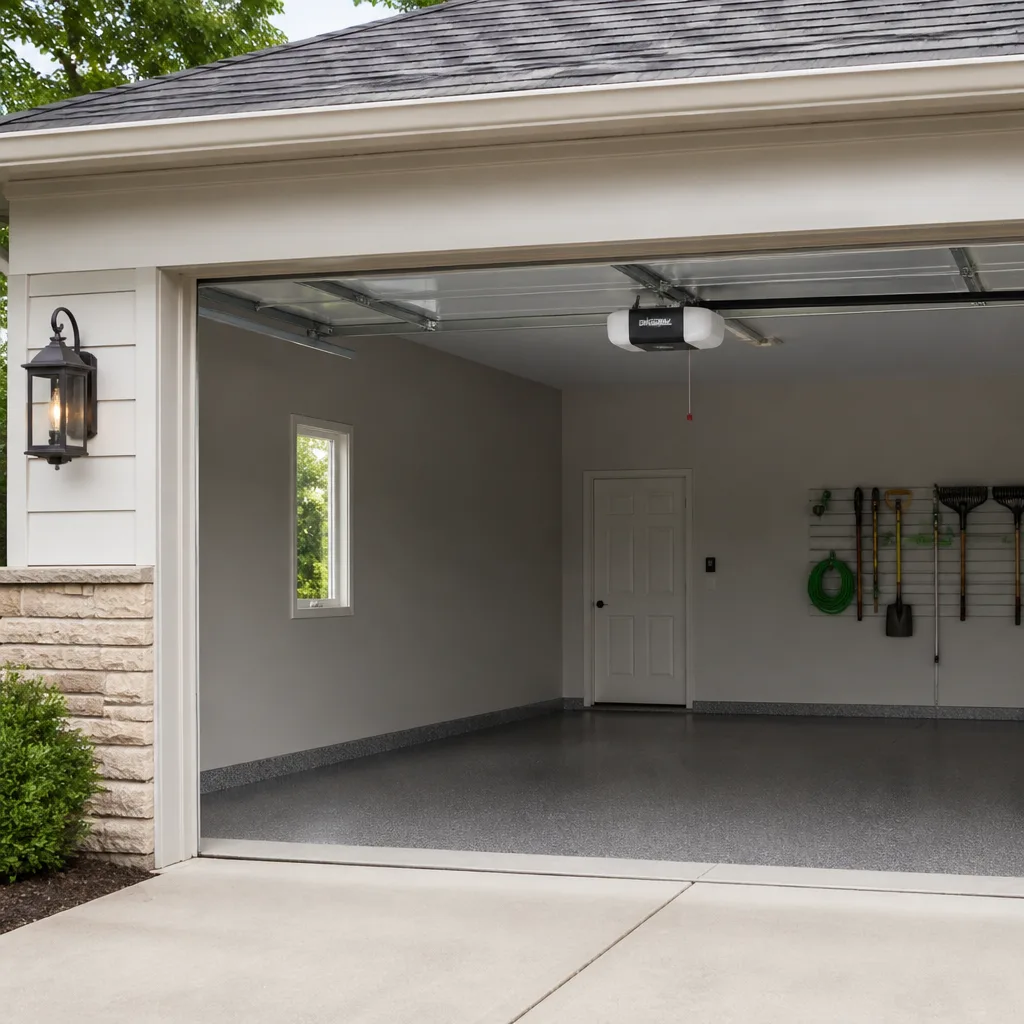 Chamberlain openers
Full 25-point door and opener safety check with every visit - springs, cables, rollers, tracks, and your LiftMaster or Chamberlain opener included
You get a price before we start. It does not change when the pro arrives.
Get your free estimateSeasonal Garage Door Care for East Harlem: Year-Round Homeowner’s Guide
New York winters don’t just freeze your locks. Cold contracts steel, and a torsion spring that was set in October is holding a different load by February. Most East Harlem homeowners find that out the hard way when the door slams down on a Tuesday morning. The bigger point is this: your garage door doesn’t need the same attention every month. It needs different attention in January than it does in July. That’s the misconception this guide clears up. Here’s what each of East Harlem’s four compressed seasons does to a different part of your door, and what to check before the damage sets in.
Quick Answer
A garage door in East Harlem needs four separate seasonal checkpoints, not one generic annual tune-up: a cold-weather prep before January, a track and panel check after the freeze-thaw cycle in March and April, a humidity and opener-sensor check in July, and a pre-winter prep sequence every October. Each season stresses a different component. Handling the right component at the right time prevents most of the emergency calls that cluster in February and August.
Styles & brands we work with
- Raised-panel steel
- Carriage house
- Modern flush
- Full-view glass
- LiftMaster openers
- Chamberlain openers
Table of Contents
- Why East Harlem Needs a Seasonal Approach, Not a Once-a-Year Checklist
- Winter: Springs, Cables, and the Bottom Seal
- Spring: Freeze-Thaw, Track Alignment, and Shifted Panels
- Summer: Humidity, Wood Swelling, and Misbehaving Photo-Eyes
- Fall: The October Prep That Prevents February Emergencies
- The Urban Factor: Exhaust, Construction Dust, and Roller Wear
- Opener Care Through the Year
- A Note for Different East Harlem Blocks
Why East Harlem Needs a Seasonal Approach, Not a Once-a-Year Checklist
A generic annual garage door tune-up treats every month the same. In East Harlem, the climate doesn’t cooperate with that idea. You get real freezes, a genuine thaw, a humid summer, and a fall that dumps grit and leaf matter into every gap on the property. Each phase attacks the door system differently.
Here’s the split, in practical terms:
- Winter stresses the springs, the cables, and the bottom seal. Cold contracts metal and hardens rubber.
- Spring stresses the tracks and panel alignment. The ground and slab move as they thaw.
- Summer stresses wood doors, opener motors, and the photo-eye sensors.
- Fall is your window to get ahead of all three.
We’ve seen a lot of doors across East Harlem, and the pattern holds: the failure that surprises a homeowner in February usually traces back to something that was already drifting in October. A track that was a quarter inch out of square in the fall becomes a door that binds in the cold. A cable with early fraying becomes a snapped cable when tension peaks.
The good news is that seasonal care is mostly cheap and quick. It’s checking and adjusting, not overhauling. A few minutes at the right time of year saves the kind of repair that shuts the door down for days. And when a real problem does show up, our experienced technicians are quick to identify it: we work on the brand you already have, whether that’s LiftMaster, Chamberlain, Genie, or Clopay, so diagnosis doesn’t stall on unfamiliar hardware.
One note on where we fit. Garage Door Repair East Harlem connects homeowners with independent local professionals who perform the work. Our technicians have up to 12 years of experience handling Garage Door Repair East Harlem calls across the full range of residential systems, and the diagnostic thinking in this guide comes from that work.
Winter: Springs, Cables, and the Bottom Seal
Winter is when the door tells you what it’s been hiding all year. Cold contracts the torsion spring, which changes the tension it’s holding. A spring set in mild weather is carrying a different load by late January, and by the time it’s cycled thousands of times through that cold stress, the failure risk peaks. The two components that take the most punishment are the springs and the cables.
Here’s what to look at before the cold settles in:
- Listen to the door. A single loud bang, then a door that won’t lift, is the classic spring failure. A door that lifts but feels heavier than usual is a warning sign. Either way, stop using it and have it looked at.
- Check the cables for fraying. Cables run along the sides of the door and take the load. Frayed strands, kinks, or a cable that’s come off a drum all point to replacement, not adjustment.
- Look at the bottom seal. This is the rubber strip along the bottom edge. When it freezes to the floor slab, the opener has to fight it, and the seal tears. A torn seal lets in cold, water, and road salt.
- Check the spring balance. With the door closed and the opener disconnected, lift the door halfway by hand. If it doesn’t hold position on its own, the spring tension is off.
That last point is where we need to be direct. Torsion springs and the cables that run with them are under extreme tension even when the door is closed. Adjusting or replacing them is the most dangerous job in this trade, and it isn’t a homeowner task. If your balance test fails, stop and call a trained professional. Don’t try to wind or unwind a spring yourself.
For the bottom seal, a clean slab edge and a light check of the seal’s condition before the real cold arrives helps a lot. If the seal has hardened or torn, replacing it before January is far easier than after it’s frozen.
Spring: Freeze-Thaw, Track Alignment, and Shifted Panels
March and April in East Harlem are a slow-motion event. The ground and the concrete slab around your door expand and contract as they thaw, and that movement reaches the tracks. A track that was plumb and square in November can be a little out of true by spring. That’s the most common reason a door starts dragging, popping, or running unevenly after a hard winter.
The good news: most spring track problems are adjust-to-fix, not replace. Here’s the sequence we recommend:
- Test the door by hand first. Disconnect the opener and run the door up and down manually. A door that binds, catches, or feels loose needs attention before the opener does.
- Look at the tracks straight on. Each track should be straight and even along its length. A bend or a track that’s pulled away from the wall shows up as a gap or a lean.
- Check the panel alignment. Look at the gap between panels as the door moves. A panel that shifted over winter often sits slightly out of line, and that’s usually why a door looks “off” after a hard season.
- Look for loose hardware. Hinges and brackets that worked loose are a common freeze-thaw result. Snugging up hardware is routine; a bent track is not.
What most homeowners miss here is that re-squaring a track or realigning a shifted panel doesn’t always mean new hardware. In plenty of cases, the existing parts are fine and just need adjustment. That’s the difference between a repair that respects your door and a replacement that wasn’t needed. If you’re not sure whether a track is bent or just loose, a quick look from a professional settles it. This is the kind of call that fits well with regular garage door repair, where a small adjustment early beats a panel replacement later.
One caveat: a track that’s genuinely bent, or a panel that’s cracked or rusted through at a hinge point, does need replacement. Adjustment fixes alignment. It doesn’t fix metal fatigue. A technician can tell you which one you’re looking at.
Summer: Humidity, Wood Swelling, and Misbehaving Photo-Eyes
July brings a different set of problems. Humidity peaks in East Harlem in summer, and it works on wood doors, opener motors, and the small sensors near the floor. It’s also the month photo-eye sensors start misbehaving for reasons that have nothing to do with the sensor itself.
Wood doors. If you have a wood or wood-composite door, summer humidity makes panels swell. A swollen panel can bind against the frame or ride unevenly, and it can change how the door seats when closed. The fix is usually adjusting the track and hardware to accommodate seasonal expansion, not sanding the door down. A wood door that does this every year may be past due for a proper adjustment.
Opener heat sensitivity. A garage can get hot, and some opener motors get temperamental in the heat, shutting off for a thermal-protection cycle. If your opener works in the morning and quits in the afternoon heat, that’s often the cause. This is one of the reasons we keep garage door opener repair as a core part of what we do: an opener that behaves differently in warm weather needs a look, not a workaround.
Photo-eye sensors. The little sensors at the bottom of each track need a clear line of sight. In summer, that line gets blocked by dust, cobwebs, leaf matter, or a sensor knocked slightly out of position. Both sensors should be aimed at each other and their lenses clean. If your door stops, reverses, or refuses to close, check the alignment and condition of the photo-eyes first. That’s the single most common summer complaint we hear, and it often costs nothing to fix.
A quick summer routine:
- Wipe both photo-eye lenses and make sure each is pointed at the other.
- Run the door and watch it close fully without reversing.
- On a wood door, check that panels don’t bind against the frame.
- Notice whether the opener quits in the heat; if it does, that needs a technician.
Fall: The October Prep That Prevents February Emergencies
If you do one seasonal pass on your garage door all year, make it this one. October is when you can still fix small problems cheaply and simply, before the cold locks in and turns them into emergencies. The three most common February calls we see are all preventable with a good fall check.
Here’s the pre-winter sequence:
- Clean the tracks and the floor slab edge. Fall grime, grit, and leaf matter packed into the tracks cause binding, and a clean slab edge keeps the bottom seal from freezing to it.
- Inspect the bottom seal and replace it if it’s hard or torn. A seal that’s already brittle will tear in the first hard freeze.
- Test the door balance by hand, then check the cables for fraying. Any sign of a spring or cable issue now is a repair. Left until February, it’s often an emergency. Springs and cables stay off-limits for DIY: this is the one part of the routine that belongs to a trained professional.
- Lubricate the moving parts that should be lubricated, per the door manufacturer’s guidance. Rollers, hinges, and the track surface all benefit from a proper check and light lubrication. This is routine and safe to do yourself.
- Test the safety reverse. Put a small object under the door and close it. The door should reverse on contact. If it doesn’t, the opener needs attention before winter.
One October habit worth keeping: check how the door runs when it’s cold but before the real freeze. A door that sounds rough in late fall will sound worse in January. The fall pass is the affordable version of the same repair. The rest of the year, your job is to watch and listen. The fall pass is where you catch it.
The Urban Factor: Exhaust, Construction Dust, and Roller Wear
East Harlem is a dense, busy place. Traffic, idling engines, and constant construction add up to something most suburb-based garage door advice ignores: airborne particulate. Exhaust soot and construction dust settle on your door, the tracks, and especially the rollers and hinges, and that grit accelerates wear in ways a quiet suburban driveway never sees.
What that means in practice:
- Rollers wear faster. Grit works into the roller and track surface, and a worn roller runs rougher and noisier. Smooth-running rollers are one of the first things to check when a door gets loud.
- Hinges dry out and stiffen. Dust absorbs lubricant, so hinges in the city benefit from more frequent inspection and light lubrication.
- Tracks collect grit. Debris in the tracks is a routine city problem. A quick clean is the cheapest fix there is.
We’ve seen doors on busy blocks that sound ten years older than doors of the same age on quieter streets, almost entirely because of grit and dust build-up. The fix isn’t exotic. It’s a regular clean and a proper lubrication schedule. That’s also why we lean toward brand-matched parts: the right part for your specific door, not a workaround. A LiftMaster or Genie opener running on a clean, well-lubricated door with the correct hardware lasts far longer than the same opener fighting worn rollers and dry hinges.
If you’ve noticed your door getting louder, popping, or running rough over the last year, that’s the signal. Get it looked at before the seasonal problem turns into a repair.
Opener Care Through the Year
Your opener is the part of the system that gets blamed for everything. In a lot of cases, the opener is fine and the door around it is the problem. When the opener is the issue, year-round care looks like this:
- Test the safety reverse in spring and again in fall. The door should reverse on contact with a small object. This is a safety feature, and it should be checked, not assumed.
- Keep the photo-eye lenses clean. You’ll notice them most in summer, when dust and heat conspire, but it’s worth a look year-round.
- Listen for a change in sound. A strained opener usually means the door is binding, not that the opener is failing. The opener is often the messenger, not the problem.
- If the opener stops working, don’t force the door. A door that won’t move under power may have a spring or balance issue. Forcing it makes things worse.
If it’s time for a new opener or a new door entirely, that’s a measured, scheduled job rather than a fast one. garage door installation starts with a free measure and a written price, and we’ll be upfront about whether your existing door just needs adjustment. Our technicians handle the modern Wi-Fi-enabled openers as well as legacy systems, so if you’re upgrading, we can work with what’s already wired.
A Note for Different East Harlem Blocks
Not every block in East Harlem gets the same treatment. The urban factor shifts with the street. Busy thoroughfares see more exhaust and grit on the door and tracks, so rollers and hinges need a check more often. Blocks with more trees and open slabs catch more leaf matter and pooling water in the fall, which puts more strain on the bottom seal. Residential blocks with less traffic tend to be gentler on the rollers but still see the freeze-thaw track movement like everywhere else.
The seasonal schedule is the same everywhere in the neighborhood, but the emphasis shifts with your block and your door. A wood door on a humid street and a steel Clopay on a busy avenue need different attention at different times. The fall pass is the anchor for everyone; the rest of the year, you watch and listen, and you call when the door tells you something changed.
Common Mistakes to Avoid
- Treating the annual tune-up as one generic visit. East Harlem’s seasons stress different parts. A once-a-year look misses the spring track shift and the summer sensor problem entirely.
- Trying to adjust or replace springs yourself. Torsion springs and cables are under extreme tension even with the door closed. This is the one job that genuinely belongs to a trained professional.
- Replacing a door or panel when adjustment would fix it. A shifted panel or a track that’s a little out of square often just needs realignment, not new hardware.
- Ignoring the bottom seal until it tears. A brittle seal frozen to the slab will tear. Replacing it before winter costs far less than dealing with the aftermath.
- Blaming the opener for a door that’s binding. A door that runs hard is often the problem, and the opener is just doing what it’s asked. Check the door first.
- Leaving grit in the tracks. Urban dust and construction material in the tracks speeds up roller and hinge wear on every East Harlem block. A quick clean is the cheapest maintenance there is.
- Skipping the fall check. October is when small problems can still be fixed easily. By February they’re emergencies.
See the difference
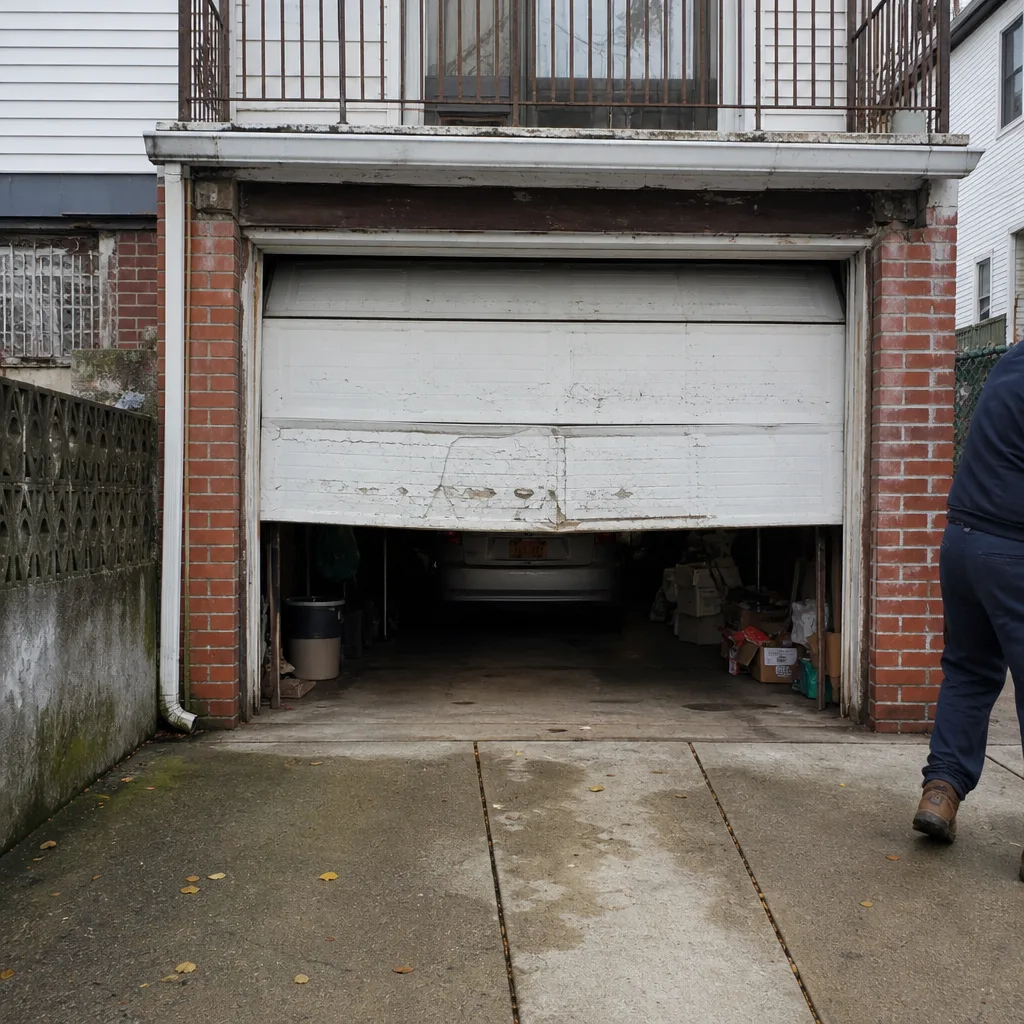 Before
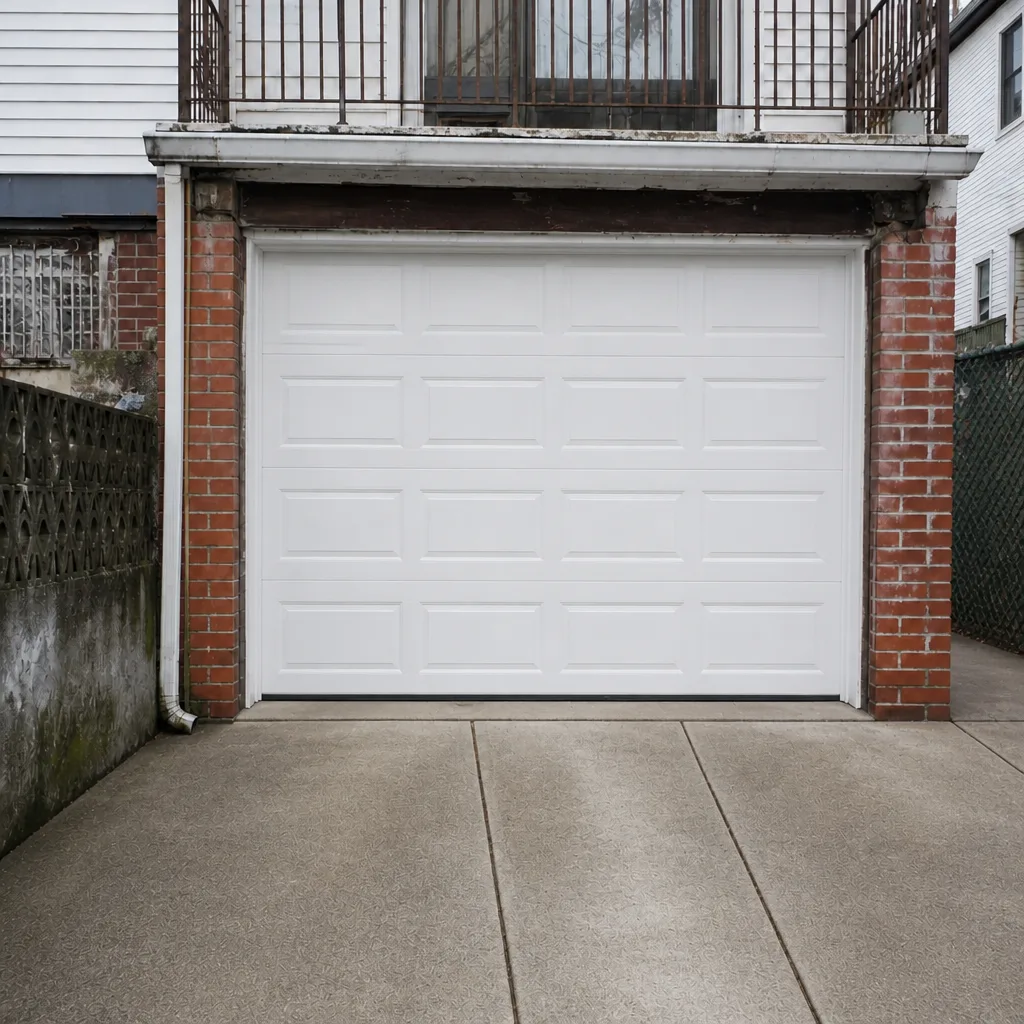 After
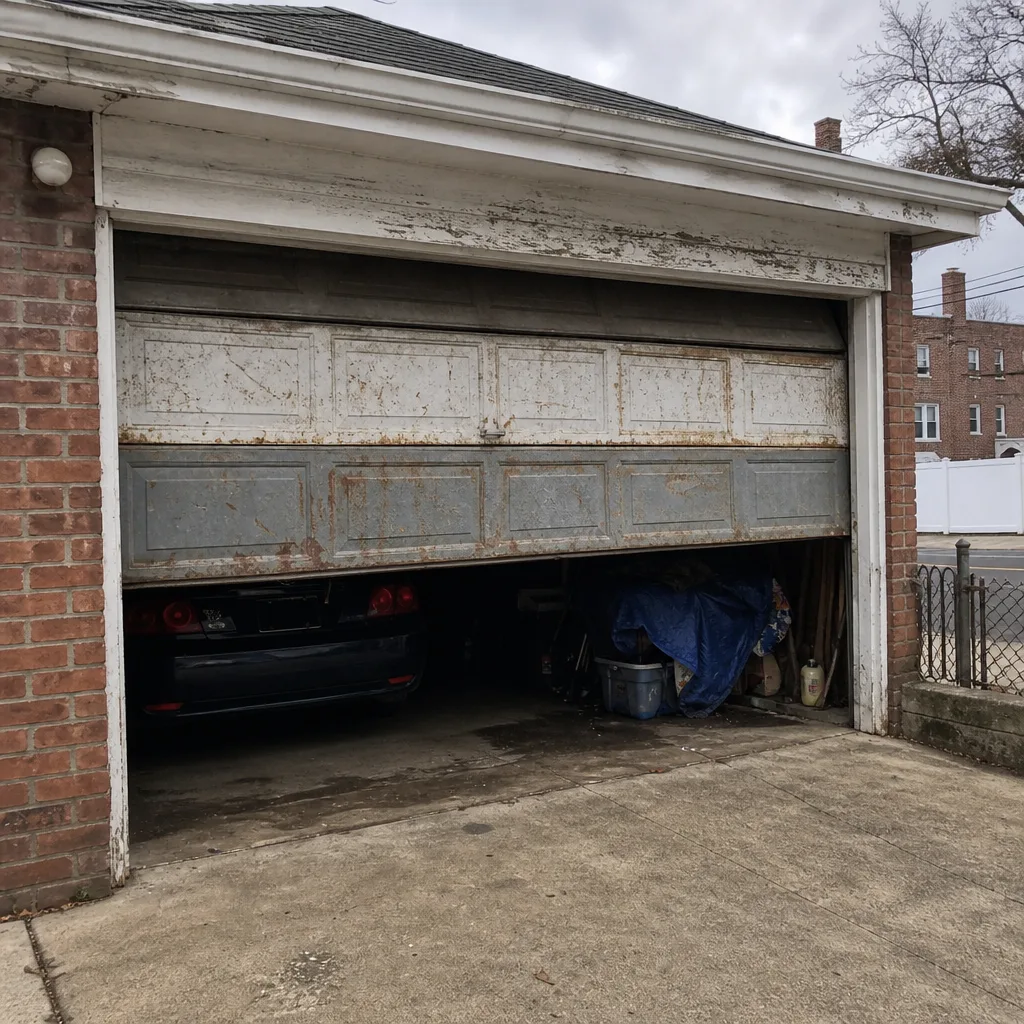 Before
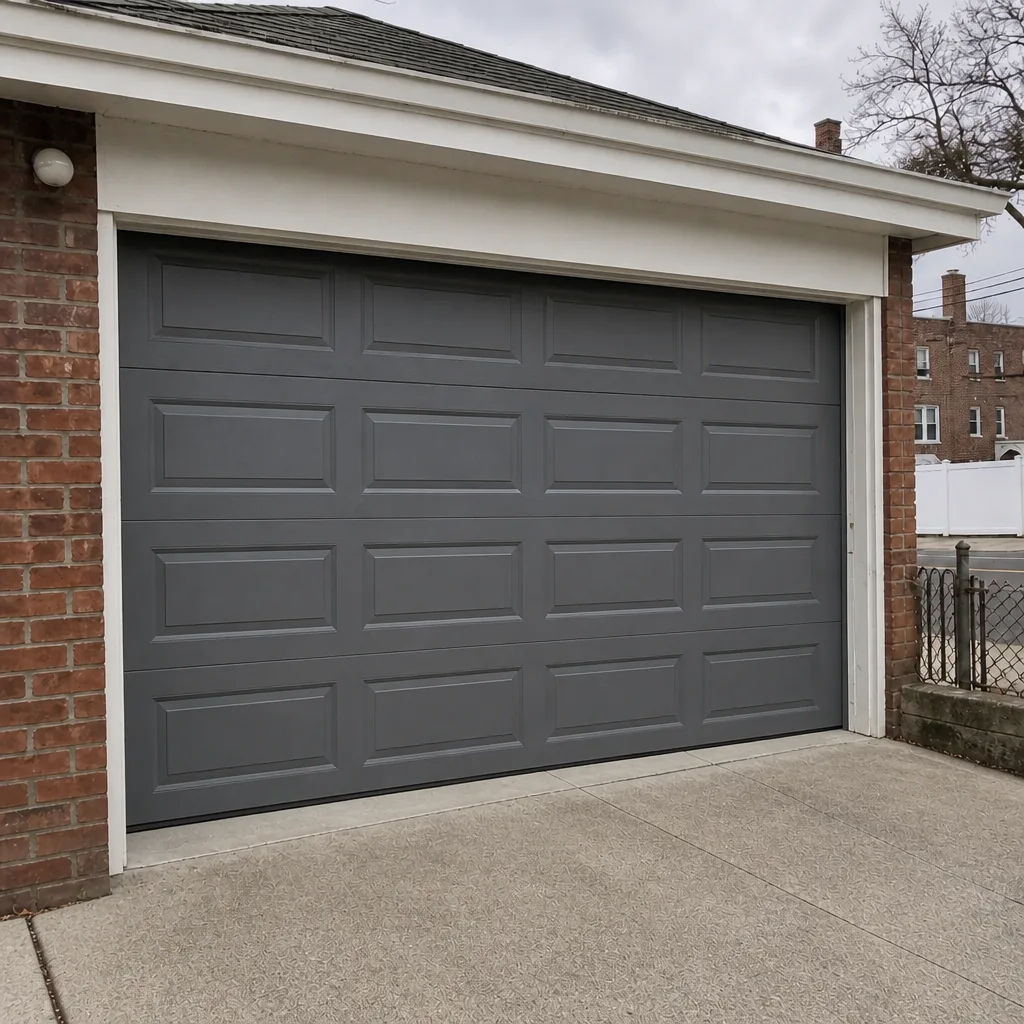 After
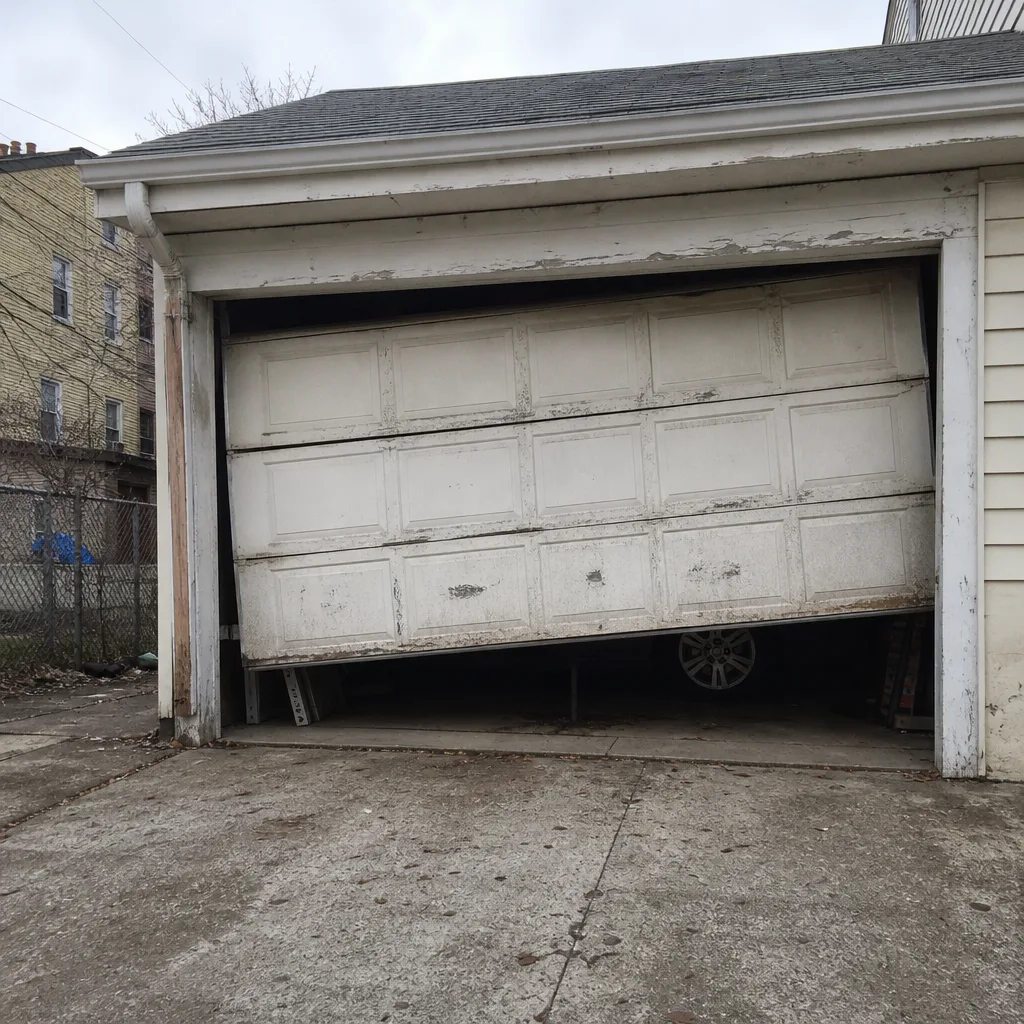 Before
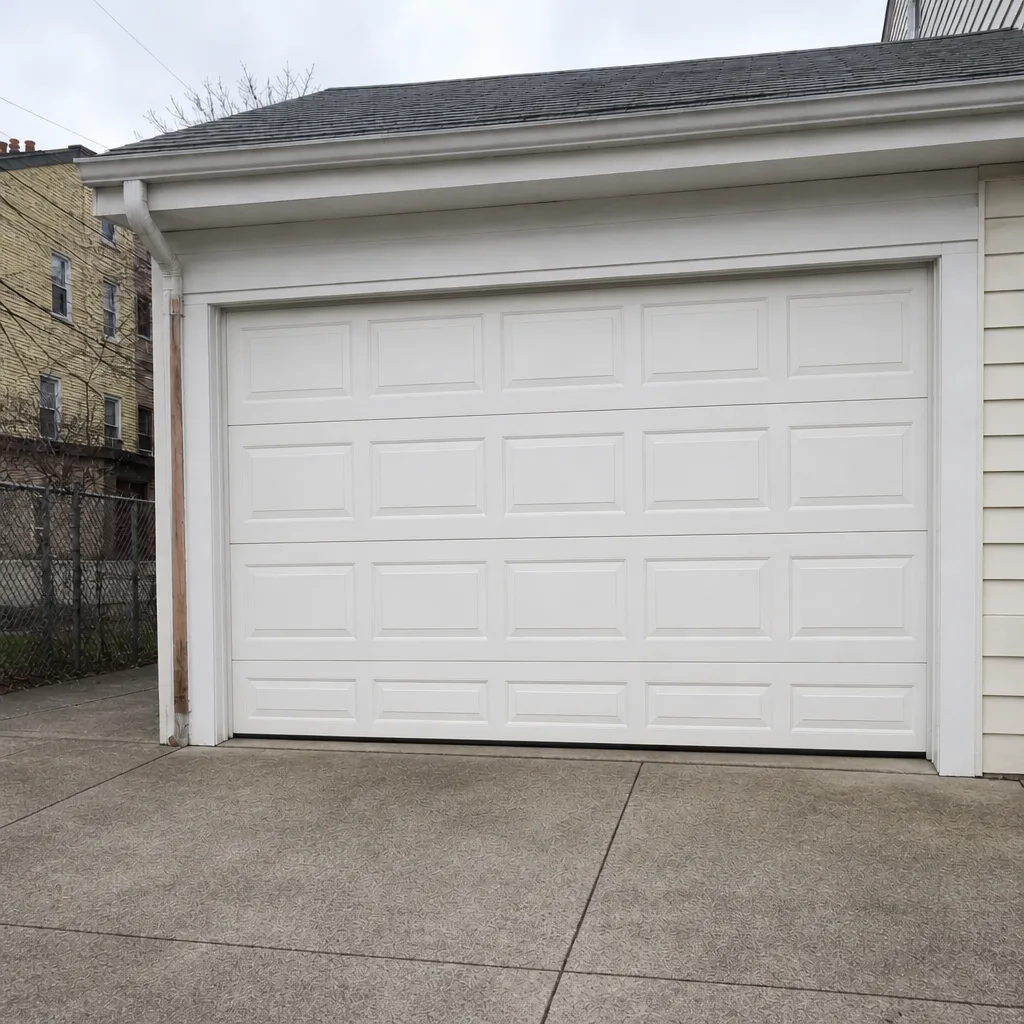 After
When to Call a Professional
Some things are check-and-watch. Others are call-now. Call a professional if you hear a bang and the door won’t lift, if the door hangs crooked or comes off the track, if you see a frayed cable, if the door is hard to lift by hand, or if the opener runs but the door doesn’t move. A door that won’t close all the way, or that reverses for no clear reason after you’ve cleaned the sensors, also needs a look. And anything involving springs or cables has to go to a trained technician. That’s not a judgment on DIY; it’s a safety line. Garage Door Repair East Harlem offers free estimates in East Harlem. The written price is agreed before any work starts, so there are no surprises on the invoice. Call (866) 401-4528.
Frequently Asked Questions
A full seasonal check four times a year is the right rhythm for East Harlem’s compressed climate: a pre-winter pass before January, a track and panel check in spring, a humidity and sensor check in summer, and the important October pre-winter prep. Between those passes, watch and listen. Call (866) 401-4528 for the repairs the seasonal checks turn up. Estimates are free.
February failures usually trace back to spring tension and cable stress built up through the winter, when cold contracts the torsion spring and every cycle adds load. A spring or cable that was already drifting in the fall is most likely to fail once the cold has cycled it thousands of times. The October prep sequence is what prevents this. If the door has already failed, call (866) 401-4528.
In most summer cases it’s the photo-eye sensors, not the door. Dust, heat, or a sensor knocked slightly out of aim blocks the line between the two, and the door reverses as a safety response. Wipe the lenses and make sure each sensor points at the other. If they’re clean, aligned, and the door still reverses, it needs a technician. Call (866) 401-4528 for a free estimate.
Yes, but it’s not the salt on the door itself that does the damage, it’s what the salt does over time. Road salt tracked in from the street works its way into the cables and the hardware at the bottom of the door, and that grit accelerates wear. Checking the cables and cleaning the lower hardware before winter is the right move. If you spot fraying, call (866) 401-4528.
Lubricating the moving parts per the manufacturer’s guidance and cleaning the tracks are safe routine jobs. Adjusting the tracks and hardware by hand is something you can check but shouldn’t force. Springs and cables are off-limits: they’re under extreme tension and should only be handled by a trained professional. If you’re unsure which category a job falls into, call (866) 401-4528 for a free estimate.
No, most track and panel problems are adjustment issues, not replacement. A track that’s a little out of square after a freeze-thaw cycle, or a panel that shifted over winter, often just needs realignment. A genuinely bent track or a cracked panel does need a new part. A technician can tell you which one you’re dealing with. Call (866) 401-4528 to get an honest look and a free estimate.
The Bottom Line
The garage doors that last in East Harlem aren’t the ones that get the most attention. They’re the ones that get the right attention at the right time. Four seasons, four different stresses: winter on the springs and cables, spring on the tracks and panels, summer on humidity and sensors, and fall as your one chance to get ahead of the other three. The October pass does the most work. The rest of the year, watch and listen, keep the tracks and sensors clean, and call when the door tells you something changed. Springs and cables stay with a professional. Everything else is mostly check-and-adjust.
Garage Door Repair East Harlem covers the full door lifecycle, from a free measure and written price on a new door to a quick adjustment that stops a February emergency before it starts. If something’s off with your door, don’t wait for the season to decide for you. Call (866) 401-4528 for a free estimate. We answer 24/7. Fast dispatch from 7am to 7pm, Sunday through Friday, closed Saturday.
Written by the team at Garage Door Repair East Harlem.