
Last updated November 21, 2026
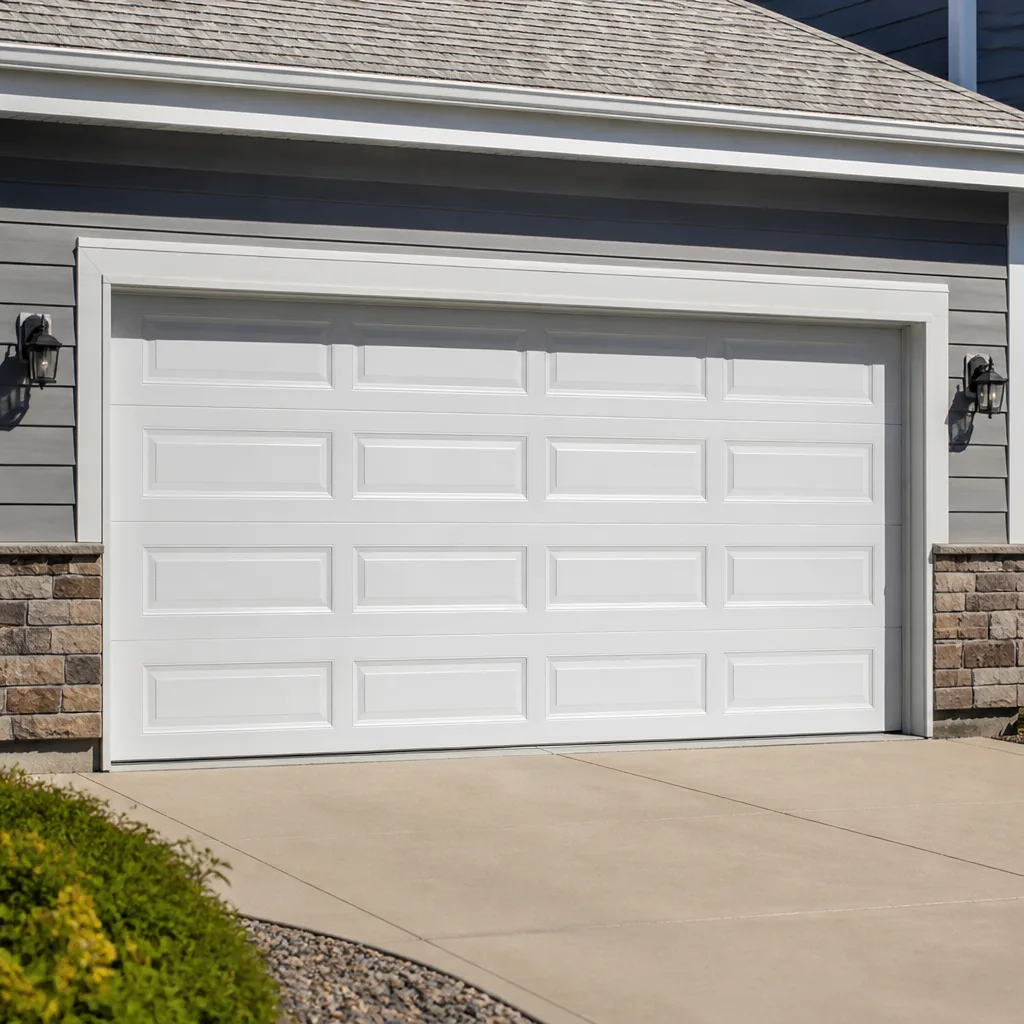 Raised-panel steel
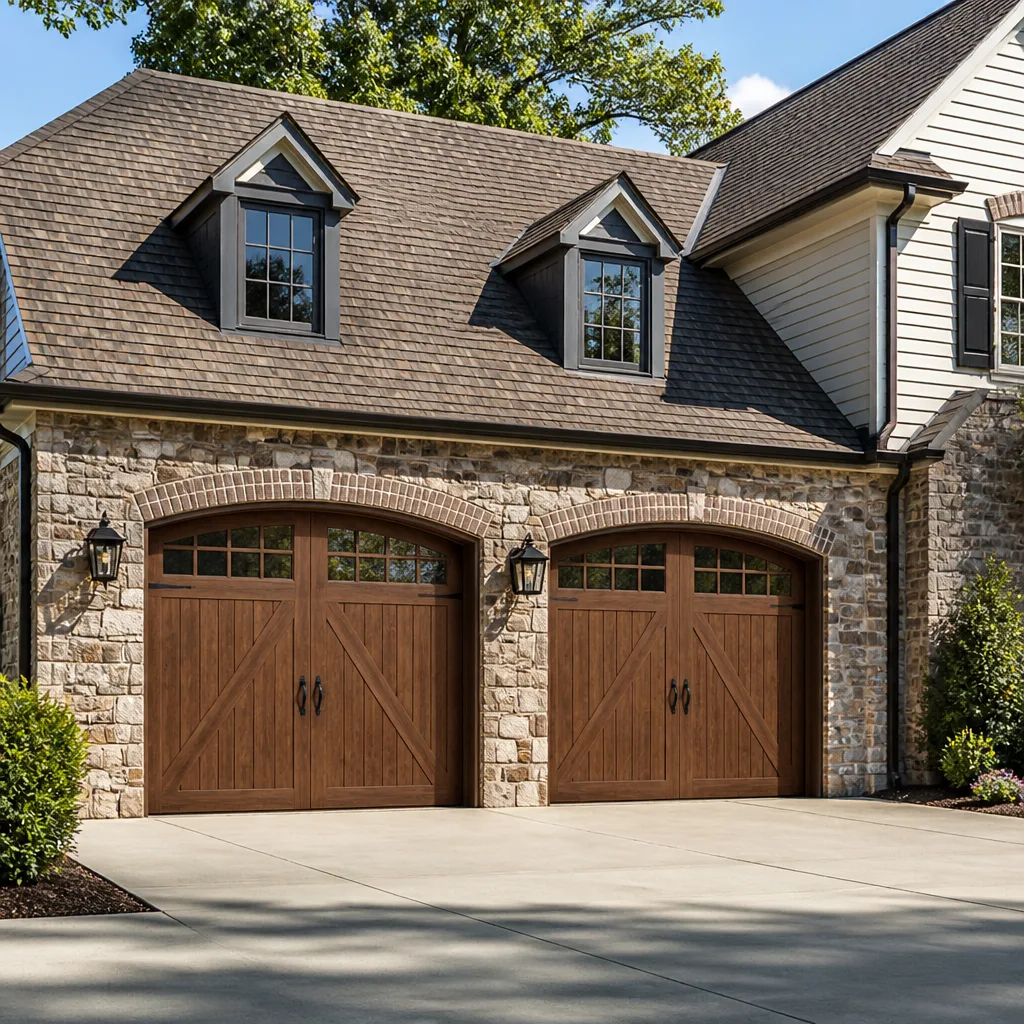 Carriage house
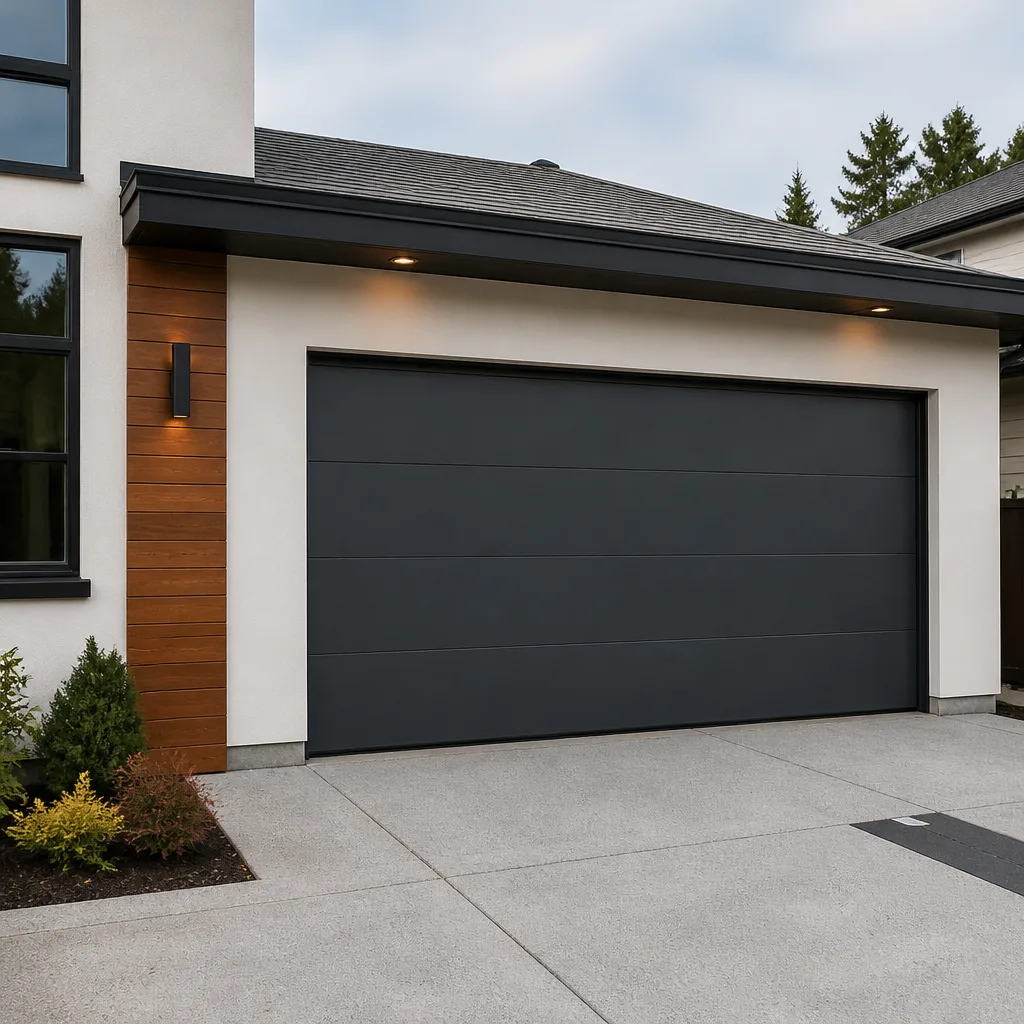 Modern flush
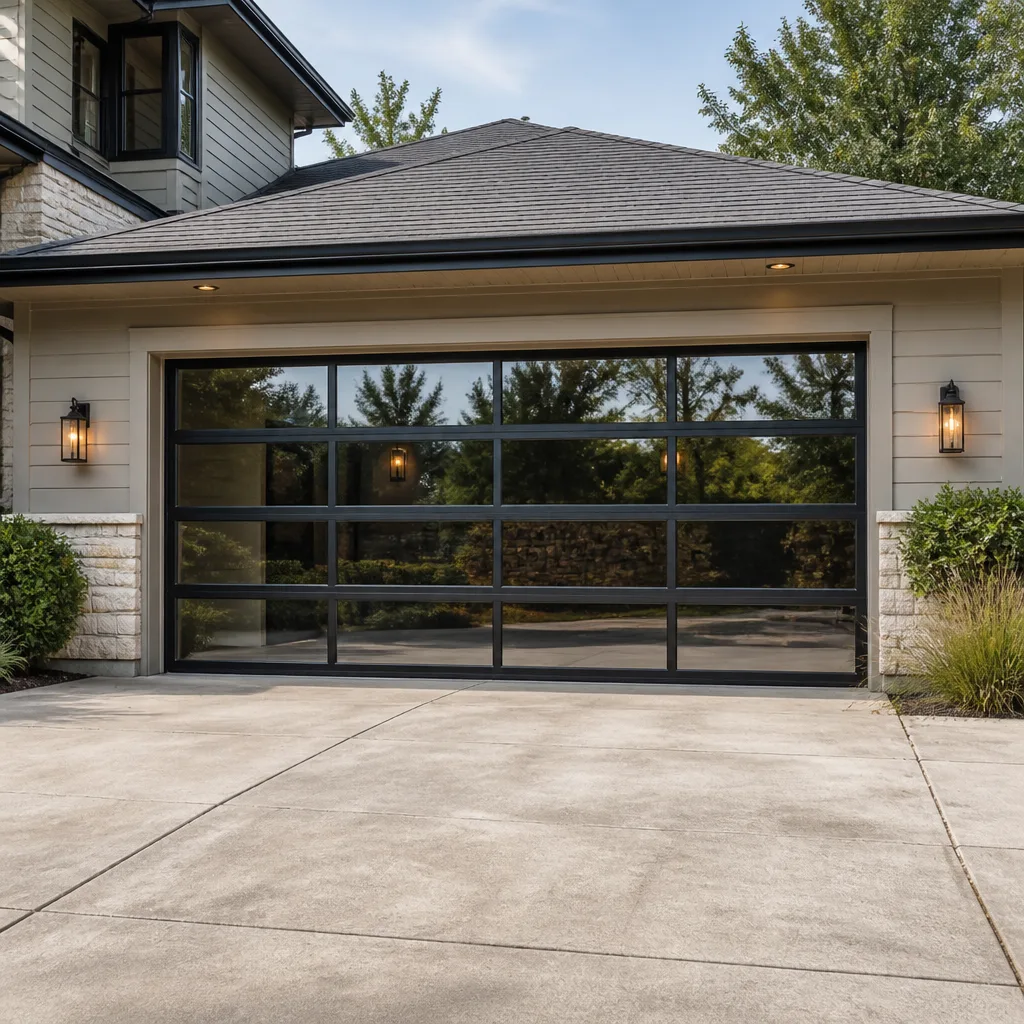 Full-view glass
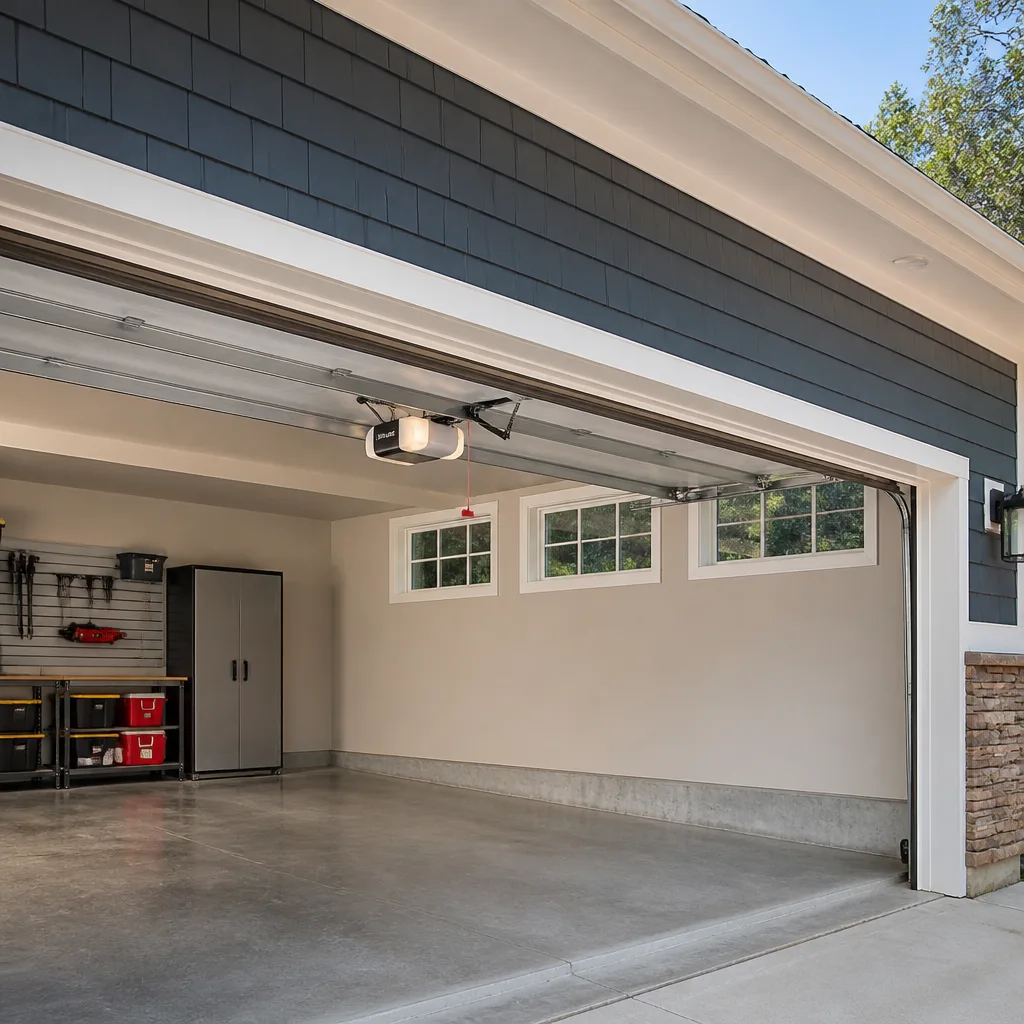 LiftMaster openers
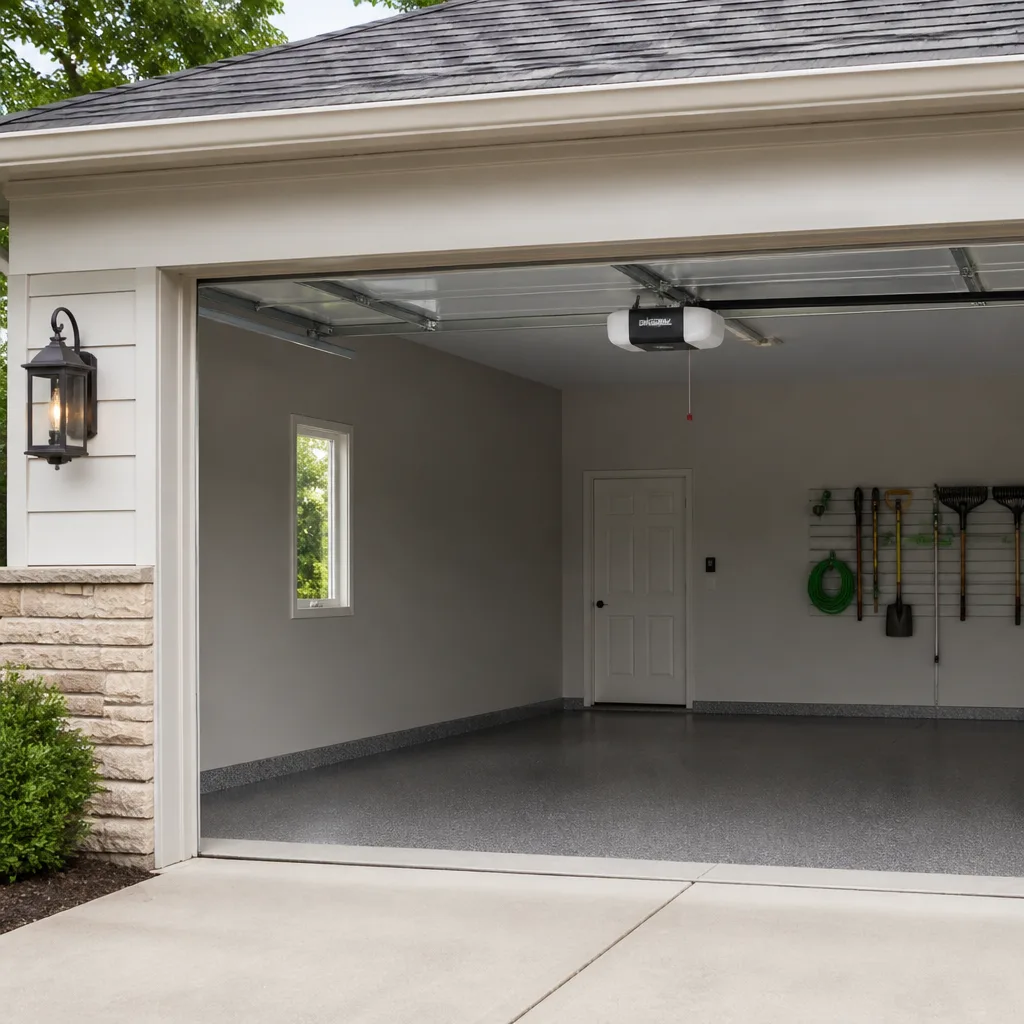 Chamberlain openers
Full 25-point door and opener safety check with every visit - springs, cables, rollers, tracks, and your LiftMaster or Chamberlain opener included
You get a price before we start. It does not change when the pro arrives.
Get your free estimateChoosing the Right Garage Door Brand: A Buyer’s Guide for East Harlem
The most popular garage door brand in a new-build subdivision tells you almost nothing about what works in an East Harlem brownstone garage with a 7-foot header and no sideroom. Brand choice starts with physical constraints, not with which manufacturer runs the most advertising. A door that’s a smart buy in a wide suburban garage can be the wrong door for a narrow pre-war opening in East Harlem, or for a building where parts availability decides whether a repair takes days or weeks. This guide covers the criteria that actually matter here: local parts distribution, track configurations that fit old openings, steel gauge, opener compatibility, and what warranty language really covers. You’ll finish knowing how to screen brands instead of collecting brochures.
Quick Answer
The right garage door brand for an East Harlem replacement is the one with an East Coast parts distributor, track and low-headroom configurations that fit pre-war openings, at least 24-gauge steel on the door sections, and clean compatibility with common openers like LiftMaster, Chamberlain, and Genie. Brand reputation matters less than those four things. In practice, most East Harlem installations come down to a handful of manufacturers that meet all four, and the best pick for your building depends on your opening’s dimensions and how the door will be used.
Styles & brands we work with
- Raised-panel steel
- Carriage house
- Modern flush
- Full-view glass
- LiftMaster openers
- Chamberlain openers
Table of Contents
- Start With Your Opening, Not the Showroom
- Why Local Parts Distribution Decides Your Repair Timeline
- Low-Headroom and Standard-Lift: Which Brands Fit Pre-War Openings
- Steel Gauge: Why 24-Gauge Holds Up Better Here
- Opener Brand Compatibility: Who Plays Well With What
- Warranty Reality Check: What “Lifetime” Actually Covers
- East Harlem Weather and Daily Use: What Brands Are Built For
- How to Screen Brands: A Step-by-Step Process
Start With Your Opening, Not the Showroom
Before you compare brands, measure your opening. That sounds backwards, but in East Harlem it’s the step that decides everything else. Pre-war garages and converted carriage houses commonly have openings that don’t match the standard sizes manufacturers publish, and the door brand you choose has to offer components that fit yours.
Measure four things:
- The rough opening width and height, inside the frame.
- The headroom, from the top of the opening to the ceiling or the lowest obstruction.
- The side room, from the edge of the opening to the nearest wall.
- The depth of the space behind the opening where the door will travel.
A 7-foot header is common in older East Harlem buildings, and the surrounding geometry is often tighter than in newer construction. That matters because some brands only offer standard-lift track, which needs more headroom than a low-headroom configuration. Others build low-headroom and high-lift tracks as regular options instead of special orders. Knowing which is which keeps you from falling in love with a door style that can’t physically be installed in your building.
We’ve seen plenty of East Harlem jobs turn on this one issue: a homeowner picks a model lineup from a manufacturer that doesn’t offer the track configuration their opening needs, and the whole selection restarts. We work on the brand you already have, and for new installations we match the brand to the opening rather than the other way around. That’s the difference between a door that fits and a door that gets forced.
If you haven’t measured yet, do it before you read another spec sheet. Your opening is the filter that removes half the options on the market.
Why Local Parts Distribution Decides Your Repair Timeline
Here’s the part of brand research most buyers never do, and it’s the one that costs the most time later. A brand with no East Coast distributor means a two-to-three-week wait if a panel or section needs replacing. A door that needs a slightly bent bottom section replaced is unusable or inoperable for that entire wait, and in East Harlem a garage that opens onto a street-facing entrance is often the main access point.
Parts distribution works on a few layers. Manufacturers sell through regional distributors, and the distributor’s distance from your location decides the lead time. Some brands keep common residential components stocked in regional warehouses on the East Coast. Others route everything through a small number of locations, and a single damaged panel means a long transit window. You can check this before you buy:
- Ask where the nearest distributor carries parts for the model you’re considering.
- Ask how long a replacement panel or section typically takes to arrive.
- Ask whether your installers source parts directly from that distributor or through a third party.
- Compare that lead time to how often you use the door. A building that depends on its garage door daily should not tolerate long waits.
The same logic applies to repair. If a spring fails or an opener stops working, the brand of the opener and the parts network behind it shape how quickly the fix is done. We handle garage door opener repair across common brands, and one reason we can move fast is that the brands we see most in East Harlem have local support. A door that’s a distant import may be cheaper to buy and slower to fix.
For a residential customer who’ll own the door for years, this is the single most practical screening criterion in this guide. Ask about parts lead time before you talk about style or panel color. It doesn’t matter how the door looks if it’s stuck while a single component travels across the country.
Low-Headroom and Standard-Lift: Which Brands Fit Pre-War Openings
East Harlem’s housing stock is older, and older garages rarely match the clearances manufacturers design for. A standard-lift track raises the door close to the ceiling, which needs more headroom. A low-headroom track keeps the door tight to the opening and the ceiling line, and some brands package this as an option while others treat it as standard.
When you compare brands for a pre-war opening, sort them by track flexibility first:
- Check the track options. Does the brand offer low-headroom, high-lift, and standard-lift configurations? A brand with only one option limits your choices.
- Check the components that change between them. Low-headroom track often comes with a different torsion spring setup. Confirm the spring and hardware are compatible, not just the track.
- Check the header. A 7-foot header with limited headroom above it may need a low-headroom configuration regardless of what the showroom displays.
- Check side room. Narrow side room influences whether the door can use a torsion spring or needs a different mechanism.
Some brands do this better than others. Amarr and Wayne Dalton offer track configurations that fit tighter openings, and both have a presence in the residential market that makes parts easier to source. For East Harlem sizes, the deciding question is almost always whether a given product line can be ordered in the configuration your building needs. Many showroom displays show only standard-lift setups, so you have to ask.
The related decision is whether to keep the existing door and repair it or replace it. Most East Harlem homes with older doors have a choice between the two. If the opening is already fitted and operating, a repair is often the faster route, and you can read about that at garage door repair. If the door is at the end of its life, a garage door installation should start with the measurements above, not with a catalog.
Get the clearance numbers to anyone quoting you before they quote you. A technician comparing brands with your measurements in hand can tell you quickly which configurations work, and that saves you from falling for a door that won’t fit.
Steel Gauge: Why 24-Gauge Holds Up Better Here
Steel gauge measures thickness, and on garage doors a lower number means thicker steel. Twenty-four-gauge is heavier than 26-gauge, and it matters in a city setting because doors face regular bumping, bicycles, carts, and weather. In urban environments, 24-gauge holds up longer than 26-gauge, less dent-prone and better able to keep its shape over years of daily use.
Not every brand offers 24-gauge as standard on its mid-range models. Some sell 26-gauge as the base and charge more to move up. Others include 24-gauge in the main residential line. That difference changes the real cost of the door; a lower sticker price on a 26-gauge model can be a lower-value purchase in the long run.
A practical comparison checklist for steel gauge:
- Confirm the gauge of the door sections you’re pricing, not just the model name.
- Ask whether the gauge changes between door sizes. Narrower doors can ship with thinner steel as standard.
- Check whether the door is steel-faced with backing, or a sandwich of steel and insulation, since construction affects dent resistance as much as gauge does.
- Ask what the manufacturer’s dent and rust coverage is, and match it to the gauge and finish you’re buying.
In our experience with East Harlem installations, a 24-gauge door with a decent finish lasts noticeably longer than a thinner one. The difference is most obvious on doors that face the street and take daily contact a garage door in a quiet suburban setting never sees. Brand matters here only insofar as it tells you which gauge is available in the product line you can afford.
Ask the technician to show you the gauge on the quote. The written estimate should name it, and if it doesn’t, ask for it in writing before the order is placed.
Opener Brand Compatibility: Who Plays Well With What
A new door only works as well as the opener that lifts it. Some door brands work cleanly with common openers like LiftMaster, Chamberlain, and Genie. Others try to lock you into a proprietary system, which means service or replacement later has to go through one channel. In East Harlem, where a garage door opener is often the difference between parking inside and searching the block for a spot, compatibility is worth checking before you commit.
Most residential doors are opener-agnostic. The door itself is a mechanical system: springs, cables, tracks, and a balanced panel assembly. Any compatible opener can lift it. The friction comes from smart features and manufacturer tie-ins. Some brands sell their own openers and push accessory lines that work best with their own doors. That’s not a reason to avoid them, but it’s a reason to ask whether common openers work with your door, or whether special hardware is needed.
Here’s how to check compatibility:
- Ask whether the door works with LiftMaster, Chamberlain, and Genie openers as standard.
- Ask whether installation requires any proprietary brackets or hardware.
- Check what happens if the opener needs replacement later. Can a common model be installed without modifying the door?
- If you want smart-home features, confirm the opener you’re considering has the right interface. LiftMaster and Chamberlain are known for Wi-Fi-enabled openers, and Genie offers similar features, so most people can get what they want without a brand tie-in.
The opener brand question also affects repair. If a door is paired with a proprietary system, the repair path narrows. We see this most in East Harlem buildings that inherited an old opener with a door. A standard LiftMaster or Chamberlain unit is usually straightforward to service, while a proprietary system can take longer to source parts for. Before you buy, ask whether the door’s opener can be swapped for a common brand later without modifying the door. The answer should be yes.
Warranty Reality Check: What “Lifetime” Actually Covers
“Lifetime warranty” sounds absolute. It isn’t. In practice, the major brands handle panel rust-through, spring breakage, and finish peeling very differently. Some lifetime coverage is limited to one component, and a spring failing at year five on a ten-year-old door might be excluded. Before you buy, read the warranty document, not the badge on the door.
Three areas matter most in East Harlem:
- Panel rust-through. Most brand warranties cover rust-through of a steel panel for some number of years. A “limited lifetime” clause often means the coverage applies only to the original owner and sometimes only to a specific panel construction.
- Spring breakage. Springs are the highest-wear component and often the first thing to fail. A warranty that covers panels but not springs shifts the cost of the most common repair onto you.
- Finish peeling. Paint or finish coverage varies from short windows to decades. Ask how long it lasts and whether it requires registration at purchase.
Manufacturers handle these differently. Some brands are clearer about register-your-door requirements, and some exclude commercial use entirely. For a residential East Harlem customer, the key question is what happens if a panel rusts through or a spring breaks within the warranty period. A technician who works with a brand day to day can tell you what’s usually covered in practice, and we’ve seen how each of the common brands handles legitimate claims.
Ask for the warranty in writing before you sign anything, and confirm the door being installed matches the model the warranty describes. The written estimate and the warranty should line up; a mismatch is a red flag.
East Harlem Weather and Daily Use: What Brands Are Built For
New York weather is hard on a garage door. Summer heat and humidity, winter cold, and repeated freeze-thaw cycles work on the steel, the finish, and the moving parts. Doors in East Harlem also see more daily opening cycles than a suburban door that’s opened twice a day; a street-facing garage is used more often because parking is tight and storage is limited.
That combination means a few things for brand choice:
- Finish quality matters. A door with a better factory coating resists humidity and temperature swings longer. Ask how the finish is applied and what coverage it has.
- Spring and hardware quality matters. High daily-use doors put more cycles on springs. A brand with a stronger spring and hardware line will have a longer service life before the first spring replacement.
- Insulation matters, though not for energy savings alone. An insulated door is heavier and quieter, an insulated door is stiffer and less likely to dent, and it holds alignment better over years of use. In a building where the garage shares walls with living space, insulation also keeps the door from rattling through the floor.
The brands we work on most in East Harlem, LiftMaster, Chamberlain, Genie, Clopay, Amarr, Wayne Dalton, Craftsman, and Raynor, all have residential lines that hold up well in this climate when they’re specified correctly. The differences are smaller than the spec sheet suggests. What matters is matching the door to your opening and your use. A slightly heavier, better-insulated door from a mid-range brand often outperforms a thin door from a brand with more marketing budget.
For more on keeping a door in good shape through the seasons, Garage Door Repair East Harlem covers the repair side in detail. The two decisions, choosing a brand and maintaining a door, are related, because whichever brand you pick sets what maintenance and repair look like later.
How to Screen Brands: A Step-by-Step Process
Here’s the process we recommend to any East Harlem homeowner starting a brand search. Work through it in order; each step filters the field.
- Measure your opening. Width, height, headroom, side room, and depth. This alone removes brands and models that can’t physically fit.
- Confirm track configurations. Does the brand offer the low-headroom, high-lift, or standard-lift setup your opening needs?
- Ask about local parts distribution. Where’s the nearest distributor, and how long do replacement panels or sections take?
- Check the gauge. Confirm the door you’re considering is at least 24-gauge, and get the gauge in the written quote.
- Check opener compatibility. Confirm LiftMaster, Chamberlain, and Genie openers work as standard, and ask what happens if the opener needs replacing later.
- Read the warranty. Get it in writing, check rust-through, spring, and finish coverage, and confirm the door you’re buying is the model the warranty describes.
- Get a written estimate. A written estimate, with the model, gauge, and track configuration named, lets you compare brands on equal terms.
Notice what’s missing from this list: brand hype, advertising, and the promise on the showroom wall. Those things influence which brands stay in business and which don’t, but they don’t change what fits your opening. A brand with strong advertising and a weak parts network in East Harlem will cost you more time the first time something fails.
When you’re ready for estimates, get them from technicians who work with multiple brands. A single-brand installer can only sell what they stock. A technician who works with all the major brands can recommend the one that fits your building, and that’s a different conversation. Garage Door Repair East Harlem offers free estimates in East Harlem, and we’ll walk through the opening, the track options, and the door brands that make sense for your building.
Common Mistakes to Avoid
- Choosing a door before measuring the opening. The showroom door already has the right track and clearance. Yours may not. Measure first, then choose.
- Ignoring parts distribution. A brand with no local distributor is not a bargain if a single panel takes weeks to arrive. Ask about lead time upfront.
- Falling for advertising over gauge. A brand’s marketing budget doesn’t tell you whether the door is 24-gauge or 26-gauge. Ask for the spec in writing.
- Not confirming track configuration options. A brand that only sells standard-lift track is a poor fit for a lot of pre-war East Harlem openings. Check this before agreeing to a model.
- Accepting “lifetime warranty” at face value. Read the document and confirm what’s covered for rust-through, springs, and finish. Some “lifetime” coverage is narrower than it sounds.
- Skipping the opener compatibility check. A door that works well with common LiftMaster, Chamberlain, and Genie openers will be easier to repair later. Ask whether proprietary hardware is required.
- Taking a verbal quote. A written estimate names the model, gauge, and track configuration. Without it, you can’t compare brands fairly or hold anyone to the price you agreed.
See the difference
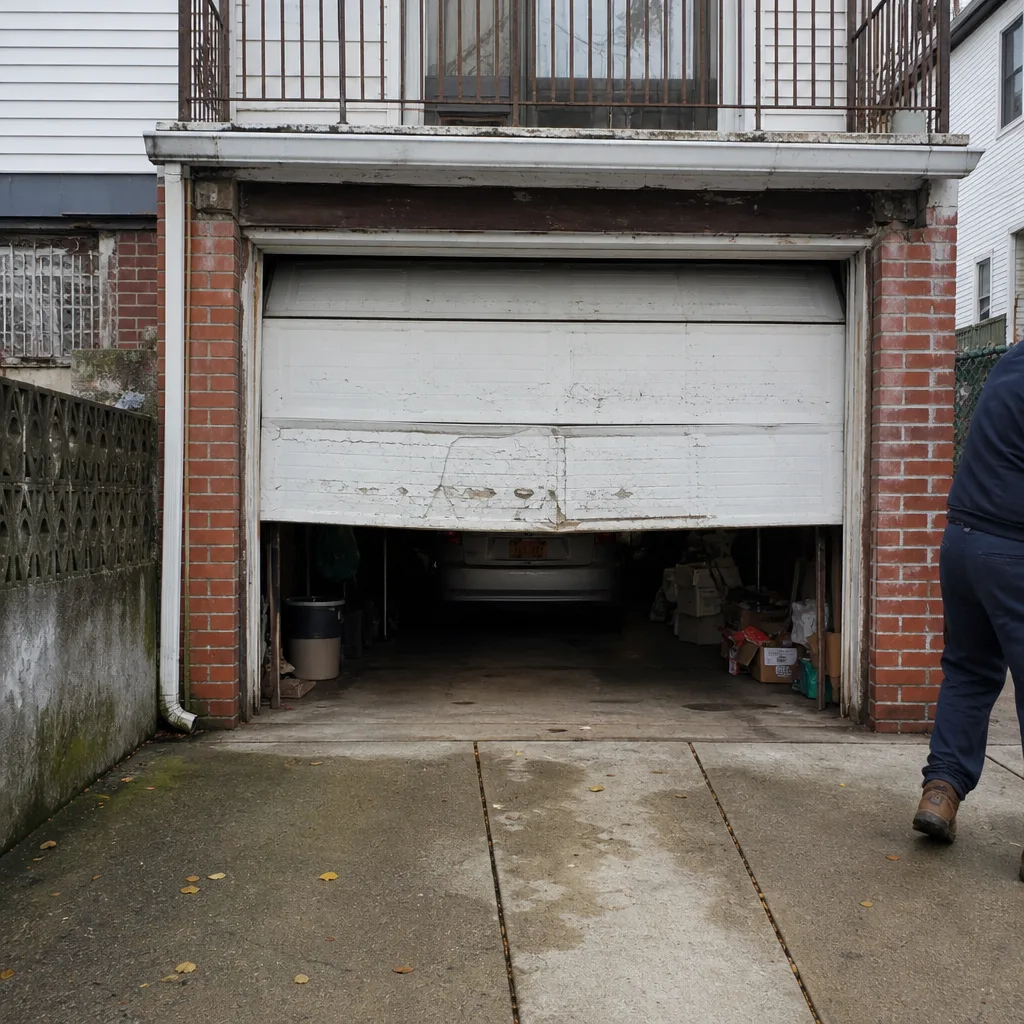 Before
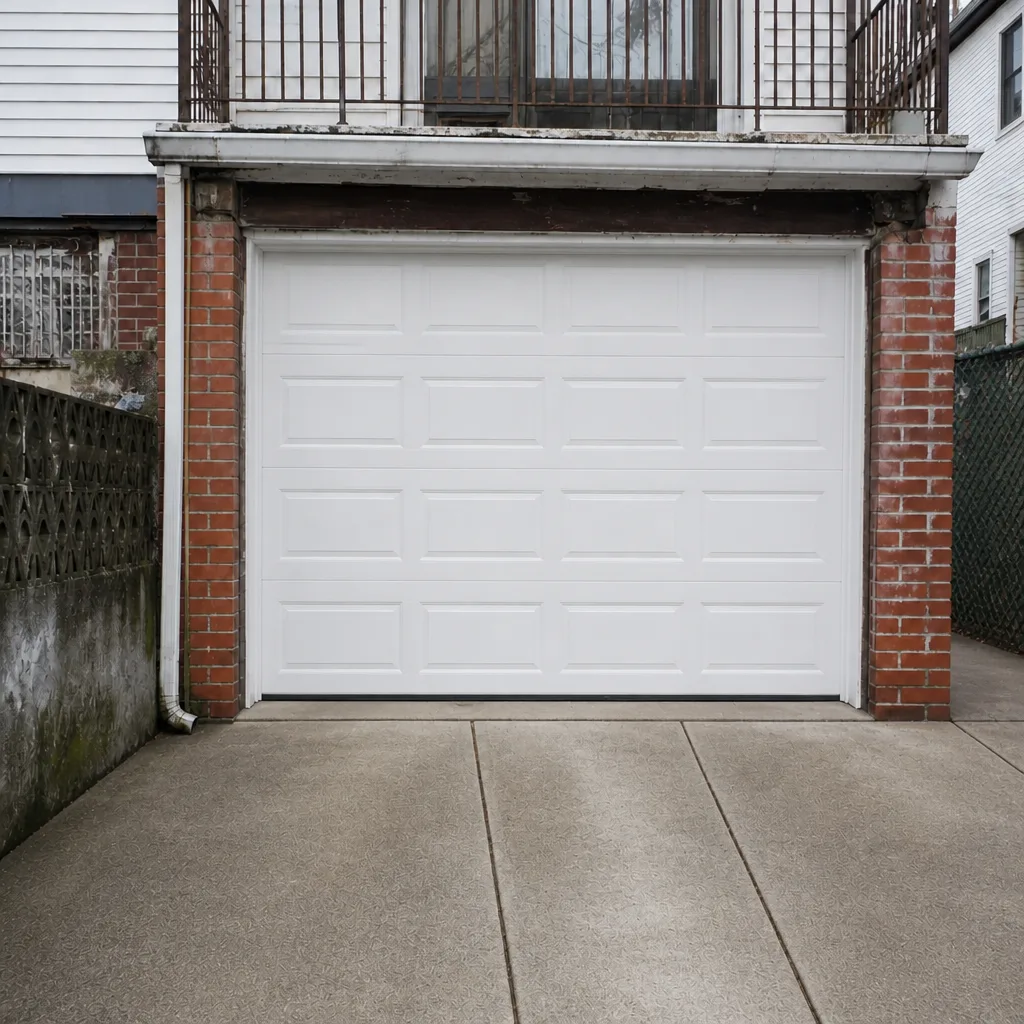 After
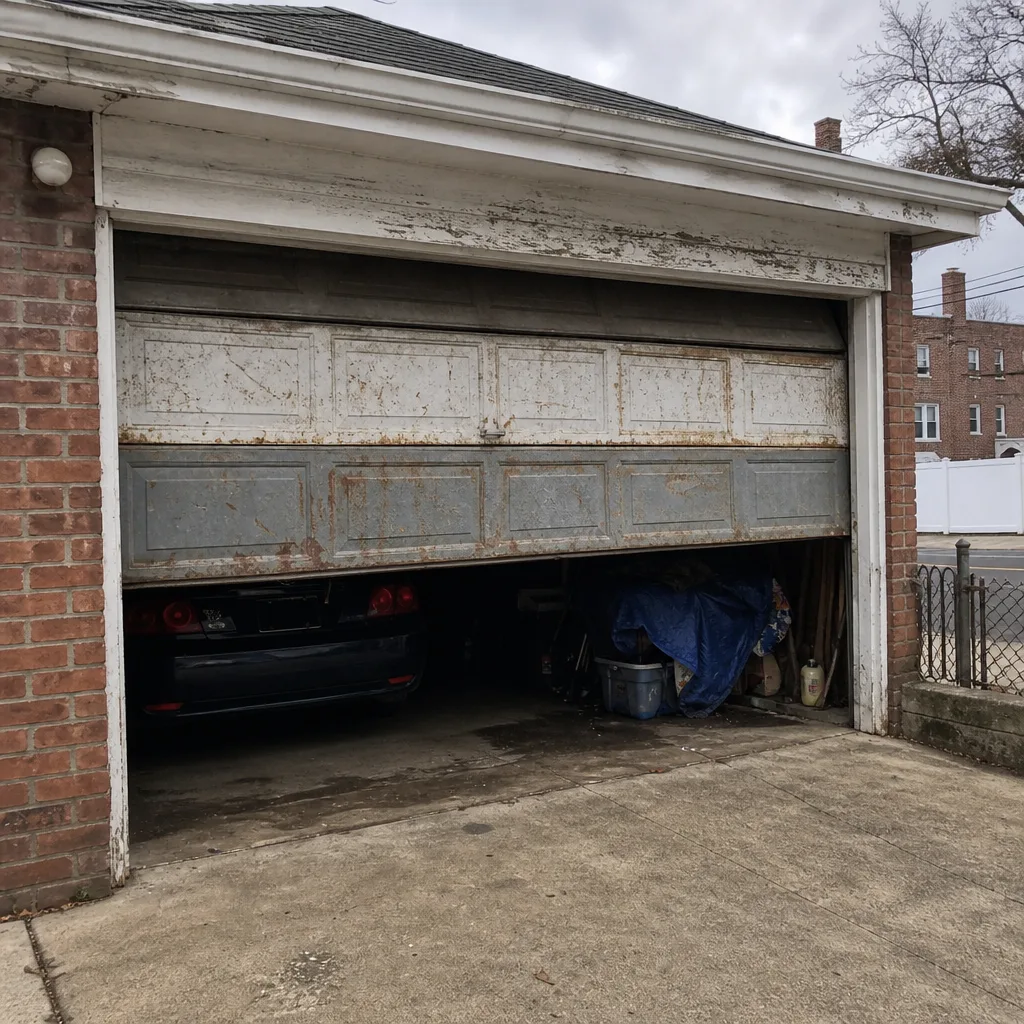 Before
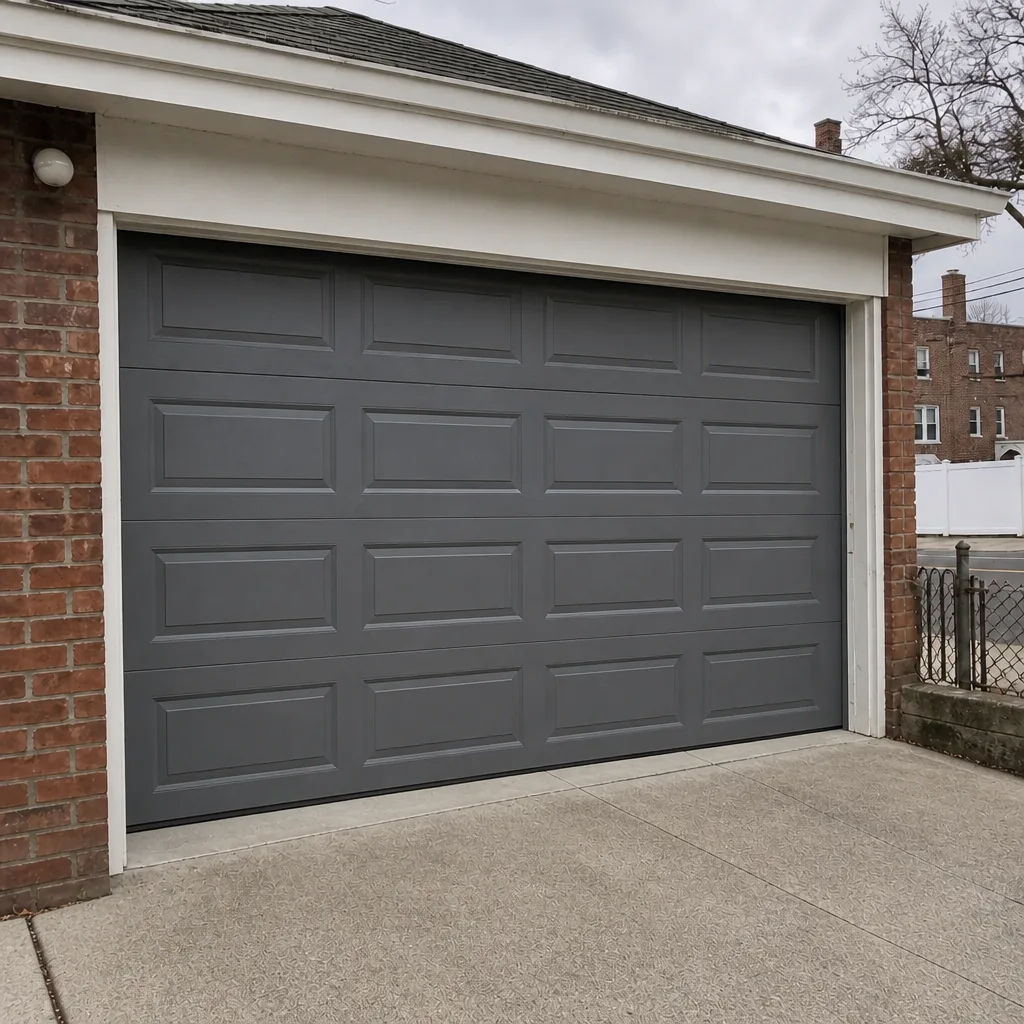 After
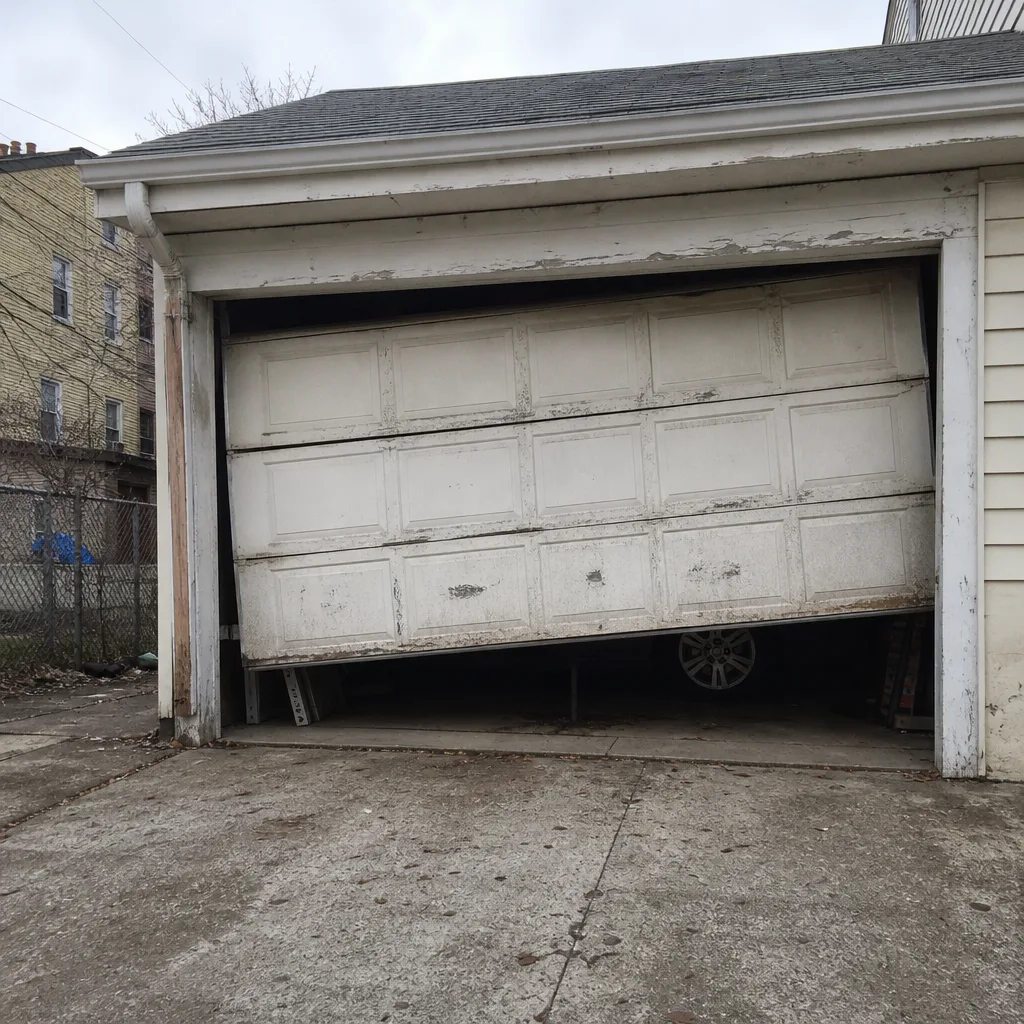 Before
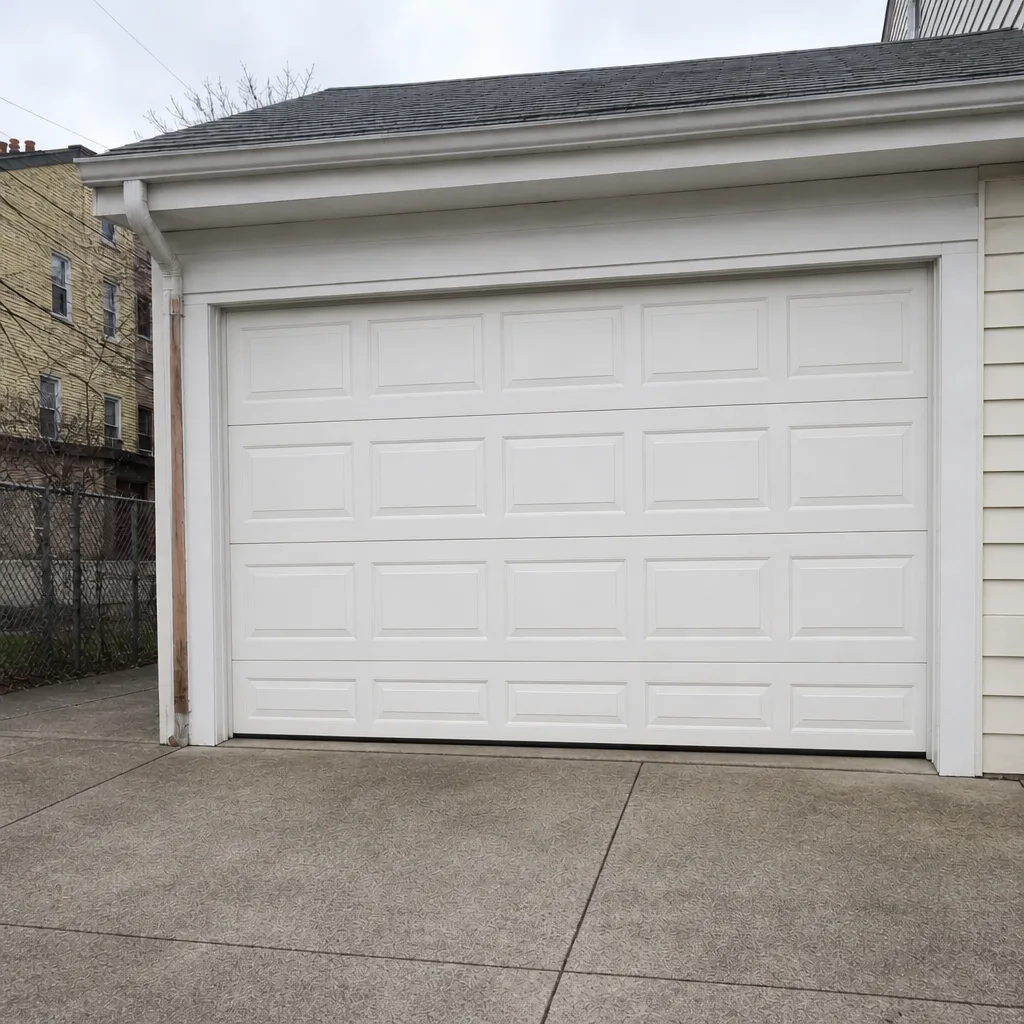 After
When to Call a Professional
Some brand decisions can be made with a tape measure and a spec sheet. Others need a technician who knows the local housing stock. Call a professional when the opening is irregular, when the headroom is unclear, or when the old door’s age and condition make repair versus replacement a judgment call. Call sooner if a spring breaks, a cable goes slack, or the door comes off its track; those are dangerous to handle and should be seen by a trained technician. Adjusting or replacing high-tension springs involves stored energy that can cause serious injury, and the work should not be attempted without training and proper tools.
Garage Door Repair East Harlem offers free estimates in East Harlem. Call (866) 401-4528. We answer 24/7. Fast dispatch from 7am to 7pm, Sunday through Friday, and same-day service on urgent repairs. For brand selection and installation, we’ll measure, confirm the fit, and give you a written price before any work starts.
Frequently Asked Questions
Clopay, Amarr, Wayne Dalton, and Raynor all make residential lines with finishes and hardware that hold up in New York’s heat, cold, and freeze-thaw cycles. The bigger factor than brand is specification: 24-gauge steel, a factory finish with real coverage, and correct track configuration. Brand matters less than how the door is built. Call (866) 401-4528 for an exact quote; estimates are free.
Sometimes, but not always. Pre-war openings often run to a 7-foot header with tight side room, which can require a low-headroom track configuration. Measure the opening before choosing a door, and confirm the brand you’re considering can be ordered in the track configuration your building needs. Call us and we’ll review the measurements with you.
Most residential door brands work cleanly with LiftMaster and Chamberlain openers as standard, and Genie openers are usually compatible too. Ask the installer to confirm before ordering, and ask whether any proprietary brackets are needed. A door that pairs with common openers will be simpler to repair later. Call (866) 401-4528 to confirm compatibility for your door.
Read the warranty document before you buy. Coverage for spring breakage varies by brand, and some “lifetime” coverage applies only to specific components. Confirm which parts the warranty covers, how long, and whether the door you’re buying is the model described. Ask the technician to put the warranty terms in the written quote.
The price depends on the door size, gauge, insulation, track configuration, and brand, and on the condition of the opening. The written estimate sets the final price, and we quote and agree it before any work starts. Call (866) 401-4528 for a free estimate.
Usually not, if the new door works with your existing opener, which is common with LiftMaster, Chamberlain, and Genie units. Confirm compatibility before ordering the door. If your opener is old or proprietary, it may be worth replacing at the same time, but that’s a separate decision from the door brand. Call and we’ll talk through both.
The Bottom Line
Brand choice for an East Harlem garage door replacement starts with the building, not the brochure. The brands worth considering are the ones with East Coast parts distribution, low-headroom and standard-lift track options that fit pre-war openings, 24-gauge steel as standard, and clean compatibility with common openers. Warranty coverage should be checked in writing, and the written estimate should name the model, gauge, and track configuration so you can compare brands on equal terms. The best brand is the one that fits your opening, holds up to daily use on an East Harlem street, and can be repaired quickly when something fails. Garage doors are all we do, and we work on the brand you already have or the one that fits your building.
Call (866) 401-4528 for a free estimate. We answer 24/7. Fast dispatch from 7am to 7pm, Sunday through Friday.
Written by the team at Garage Door Repair East Harlem.