
Last updated November 21, 2026
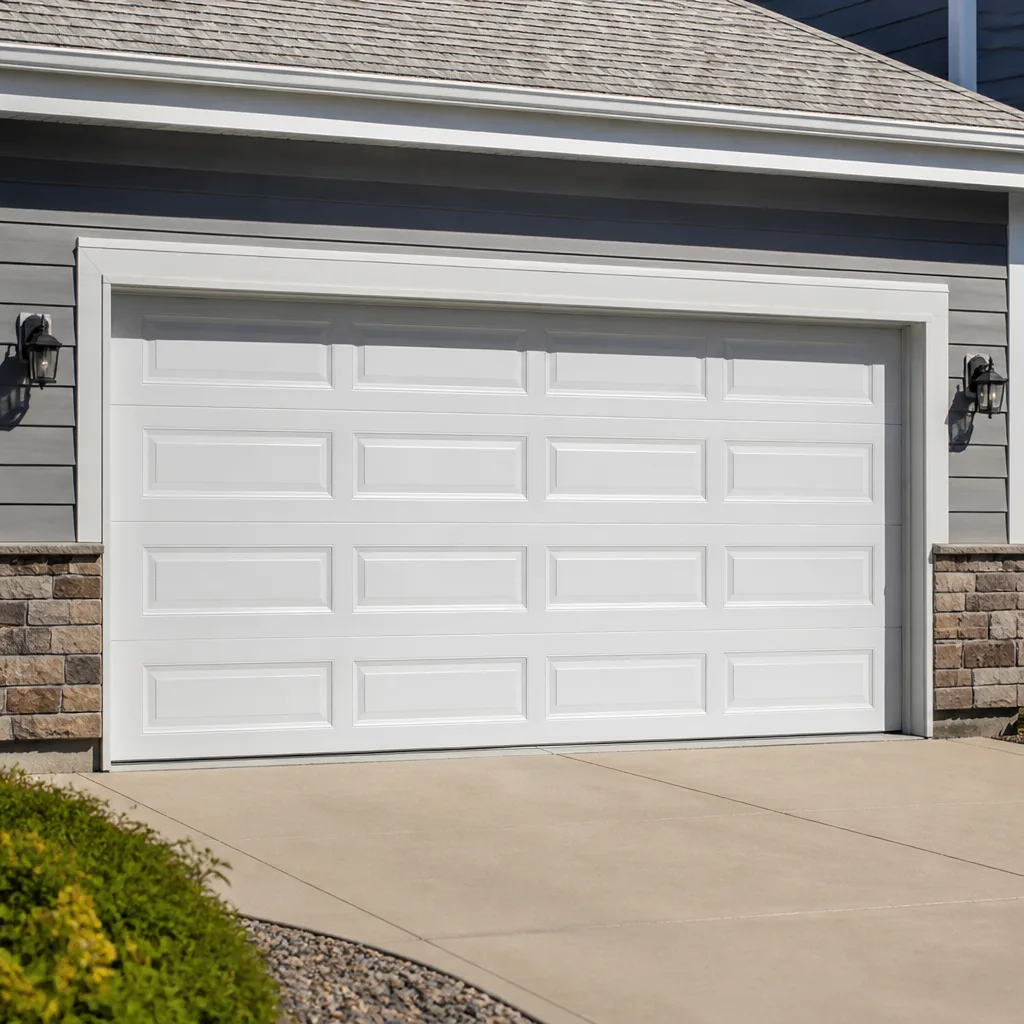 Raised-panel steel
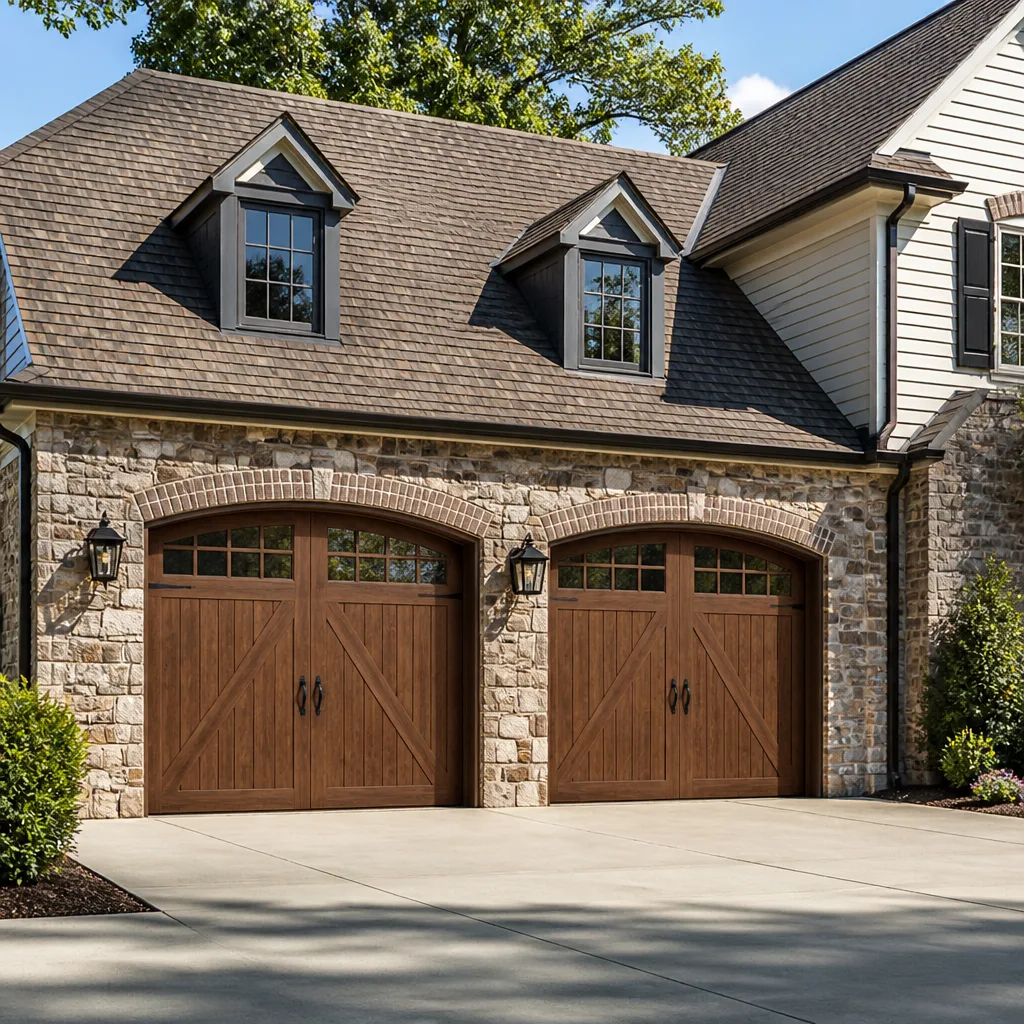 Carriage house
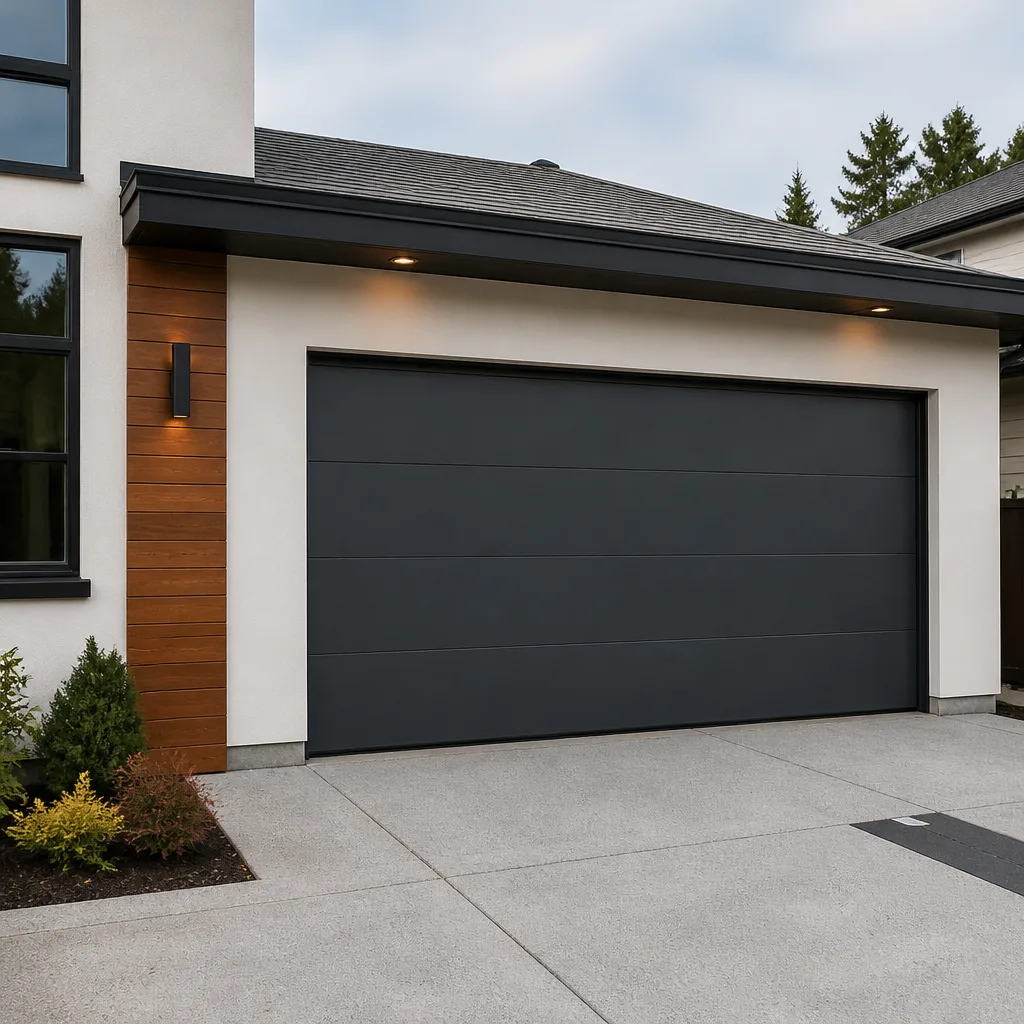 Modern flush
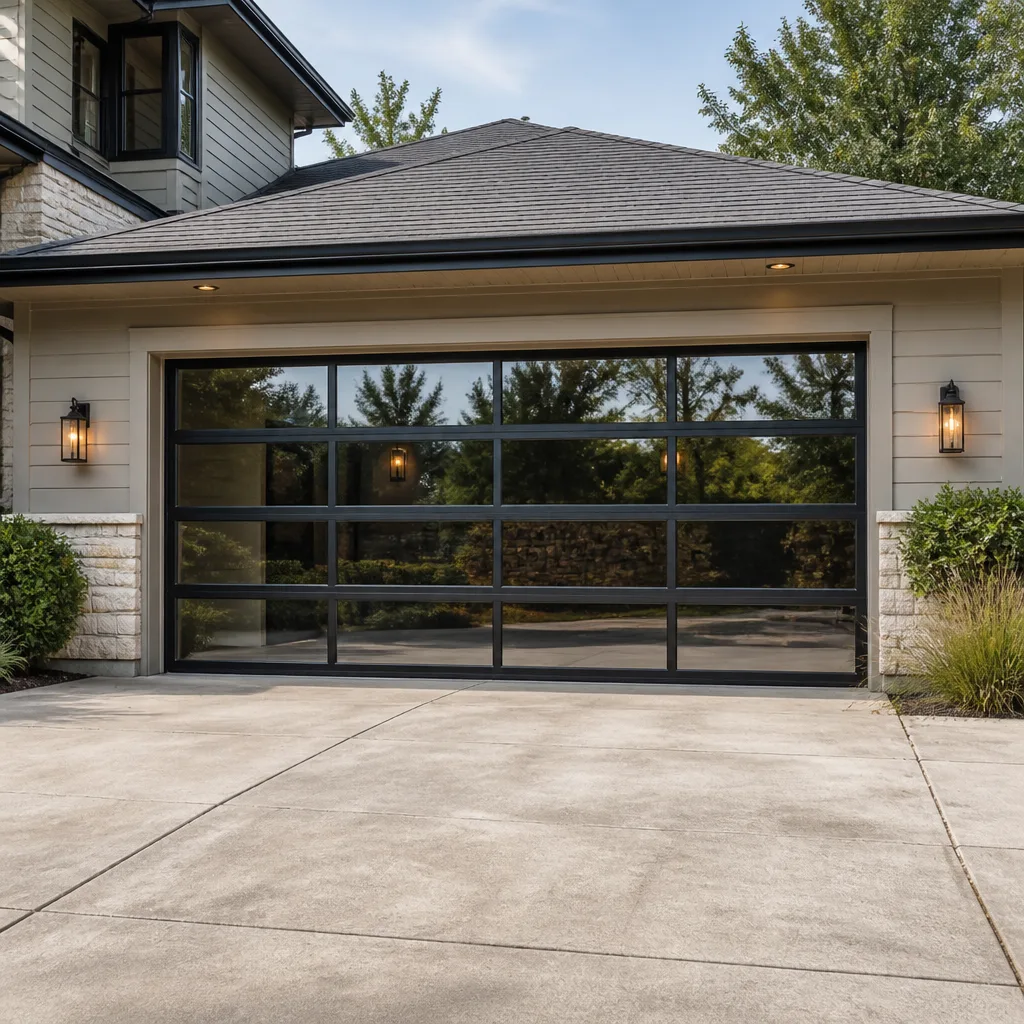 Full-view glass
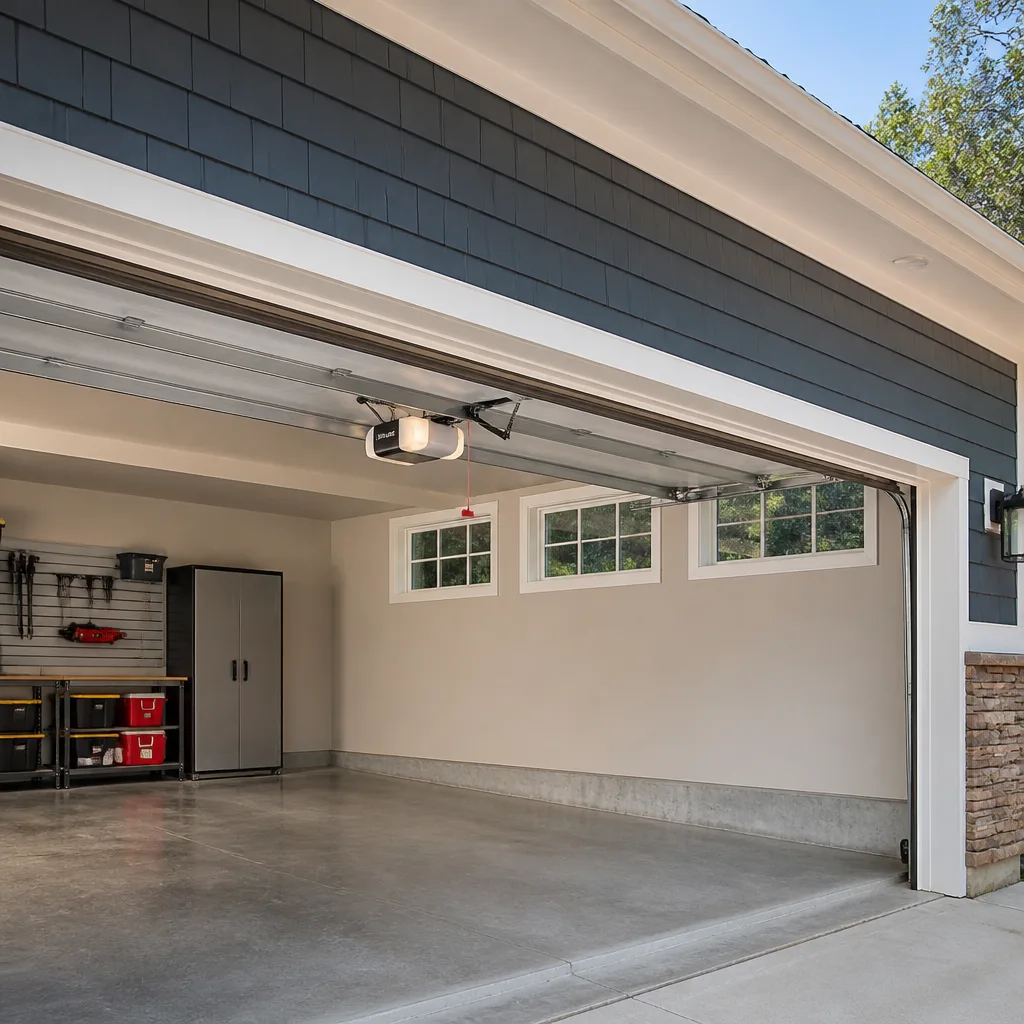 LiftMaster openers
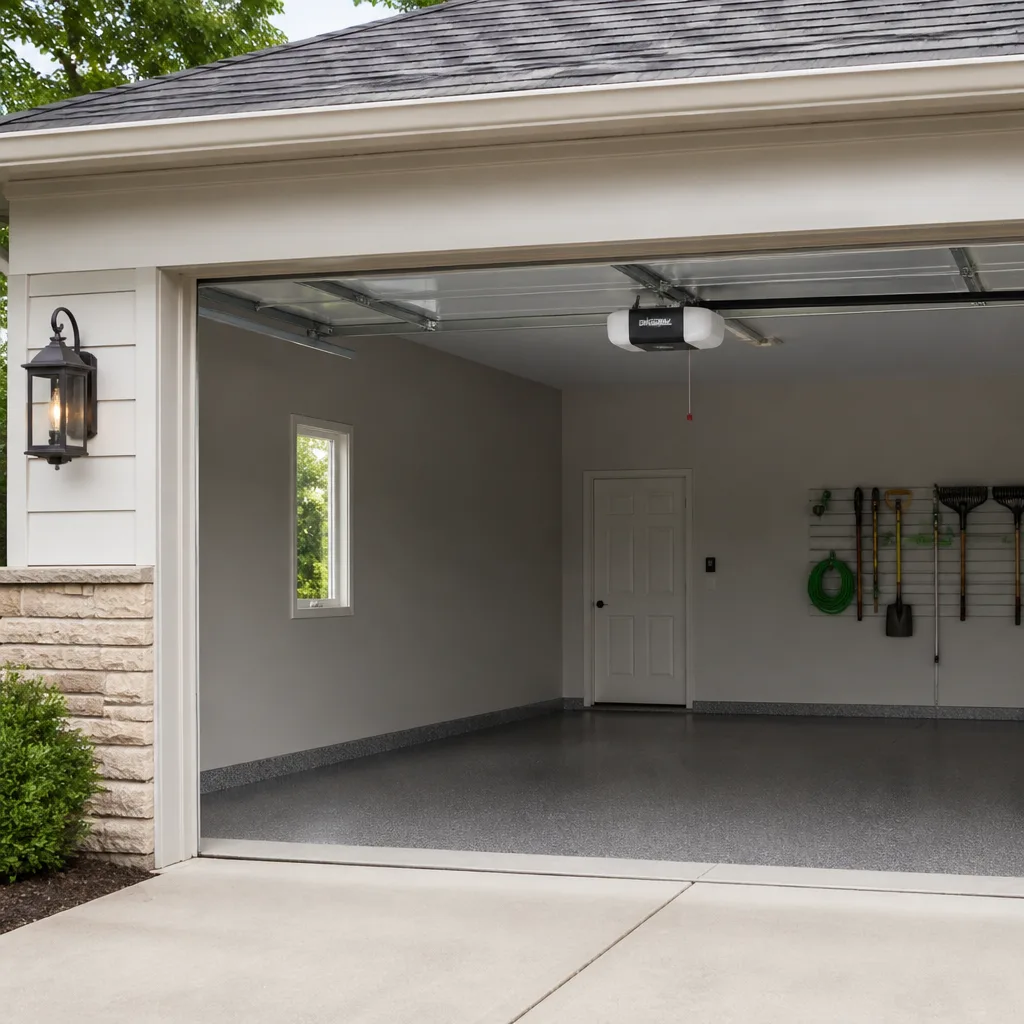 Chamberlain openers
Full 25-point door and opener safety check with every visit - springs, cables, rollers, tracks, and your LiftMaster or Chamberlain opener included
You get a price before we start. It does not change when the pro arrives.
Get your free estimateThe Complete Guide to Garage Doors in East Harlem
Most garage door guides are written for suburban driveways with 16 feet of clearance and new construction headers. East Harlem garages are a different animal entirely – and the wrong advice can cost you a door that physically won’t fit. In this neighborhood, a garage is often an attached slot under a pre-war walk-up, framed into a lot line with inches to spare on either side. Headroom is low. Sideroom is tighter. A door that ships standard in Ohio may be impossible here. What follows is a working map of East Harlem garage doors – the building stock, the clearances, the door types that actually fit, and the repair realities that come with old brick, urban grime, and weather off the river. Read it before you buy, repair, or replace anything.
Quick Answer
East Harlem garage doors have to be specified around the building, not the other way around: pre-war attached garages typically run low on headroom and tight on sideroom, so low-headroom track, roll-up, or tilt-up configurations are usually the only workable options. Spring and cable failures happen faster here because of heavy daily cycling, street-level grime, and moisture off the Harlem River. A specialist who measures the opening and understands the local building stock will save you from a door that won’t fit and a repair that gets done twice.
Styles & brands we work with
- Raised-panel steel
- Carriage house
- Modern flush
- Full-view glass
- LiftMaster openers
- Chamberlain openers
Table of Contents
- How East Harlem’s Building Stock Shapes Your Garage Door
- Attached Brownstone Garages vs. Standalone Community Garages
- Which Door Types Actually Fit Tight East Harlem Configurations
- How Urban Grime, Street Noise, and River Moisture Affect Wear
- Springs and Cables: The Repairs That Matter Most Here
- Openers in Old Garages: Compatibility and What to Check
- What a Full-Service Specialist Does That a Handyman Doesn’t
- What Garage Door Work Typically Costs in East Harlem
How East Harlem’s Building Stock Shapes Your Garage Door
Walk the side streets between 96th and 125th and you’re looking at building stock from the 1920s through the 1960s. That matters for a garage door more than any brand label. The framing, the header height, and the distance from the opening to the first obstruction were all set by builders who never imagined a 21st-century sectional door.
Three measurements decide almost everything:
- Headroom – the vertical space from the top of the door opening to the ceiling, plus the depth of the track run behind it. Low headroom means a standard sectional needs a low-headroom track kit or a different door type altogether.
- Sideroom – the horizontal clearance between the door opening and the nearest wall, pier, or property line. Vertical-track doors need space on both sides for the tracks and torsion assembly.
- Backroom – how far the door travels back into the garage when it opens. In a shallow attached garage under a stoop, this is often the binding constraint.
In our experience across East Harlem, a large share of attached garages sit under the front of the building, tucked below a stoop or a raised parlor floor. The result is a low ceiling, a shallow depth, and framing that was never designed for the weight of a modern insulated door. If a contractor quotes you a door without measuring all three clearances on site, that quote is a guess. And guessing is exactly how a homeowner ends up with a door that arrives and won’t fit.
Attached Brownstone Garages vs. Standalone Community Garages
East Harlem has two distinct garage types, and they break in different ways. Treating them the same is one of the most common mistakes we see.
Attached garages under brownstones and walk-ups
These are the tightest spaces in the neighborhood. They share walls with living space, often share a header with the stoop above, and were cut into the original building footprint. Service needs here cluster around:
- Low-headroom track conversions, because the original high-lift geometry won’t clear the ceiling.
- Opener noise control, since the door sits directly under a bedroom or living room.
- Careful anchoring, because the surrounding masonry is old and drilling into it needs judgment.
- Tight sideroom torsion setups, which are fiddlier to tension and need a specialist’s hand.
Standalone community garages and shared structures
Detached garages and small multi-bay structures serve multiple households or a whole block. Here the doors are heavier-duty, the bay widths are wider, and the failure pattern is different:
- Higher daily cycle counts, since several cars pass through the same door.
- Wider doors (often 9 to 16 feet), which put more strain on springs and cables.
- Shared responsibility for the door, meaning nobody owns the maintenance until it fails.
A community garage door that fails doesn’t inconvenience one family, it blocks several. That’s a strong argument for scheduling spring and cable inspections before a failure rather than after. Our garage door repair East Harlem team treats shared structures with the same urgency as a single-family emergency, because for the families relying on that bay, it is one.
Which Door Types Actually Fit Tight East Harlem Configurations
If your clearance is tight, door type is not a style preference – it’s a structural requirement. Here’s the honest breakdown of what works where.
Low-headroom sectional doors
A sectional door with a low-headroom track kit is the workhorse in most East Harlem attached garages. It uses a tighter radius in the track and a low-clearance torsion setup to open in a fraction of the space a standard track needs. The trade-off is that the door needs to be measured carefully and matched to the actual ceiling height, not the “typical” one printed on a spec sheet.
Roll-up doors
Roll-up (coiling) doors pack into a compact coil above the opening, which makes them a natural fit for very low ceilings and shallow depths. They’re common on standalone and community garages. They offer less insulation and a different look than a sectional, but where headroom is the hard limit, they often win.
Tilt-up and canopy doors
A single-panel tilt-up door swings outward from the top as it opens. It needs less headroom inside the garage but more clearance in front of it, which in a tight lot line can be a problem. Canopy versions leave the panel extending out over the driveway when open. In East Harlem’s tight side lots, tilt-up only works where the front clearance is genuinely there.
What usually doesn’t work here
- Standard high-lift sectional doors that need far more ceiling height than an under-stoop garage has.
- Oversized insulated doors that add weight the original framing and springs weren’t sized for.
- Custom sizes quoted without an on-site measure, which is where fit problems start.
The right call is to have the opening measured for all three clearances, then choose the door type around those numbers. Our garage door installation process starts with a free measure precisely because getting this wrong here is expensive to undo.
How Urban Grime, Street Noise, and River Moisture Affect Wear
A garage door in East Harlem doesn’t live the quiet life of a suburban one. It’s a moving mechanical system sitting inches from a busy street, breathing grime, grit, and the damp air that rolls in off the Harlem River. Over years, that environment accelerates wear in specific, predictable ways.
- Grit in the tracks and rollers. Street-level dirt and grit settle into the track channel and work into the roller bearings. Rollers start to grind and seize, and the door gets harder to lift.
- Moisture-driven corrosion. The damp air that comes with the neighborhood’s proximity to the river accelerates corrosion on cables, springs, and hinges. Cables are where it shows first – a cable that looks fine can be quietly weakening at the drum.
- Noise and vibration. In attached garages, a door that vibrates telegraphs straight into the living space above. Worn rollers and loose hinges make it worse. So does a poorly balanced door that fights the opener on every cycle.
- Cycle fatigue from heavy daily use. An urban door is opened and closed far more than a weekend-driver’s. Cycles, not calendar time, are what wear out springs.
The practical takeaway: in East Harlem, maintenance is about more than a yearly glance. Track cleaning, roller inspection, and a balance check matter more here because the environment works against the door every day. That’s not a scare tactic – it’s what the moving parts are up against.
Springs and Cables: The Repairs That Matter Most Here
Springs are the engine of the whole system. They carry the door’s weight, and when they fail, the door becomes dangerous to move. This is the highest-risk, most technically demanding repair in the trade, and in East Harlem’s tight configurations it’s more demanding still.
Here’s the part worth understanding: a spring is quoted per spring, not per door. Most doors carry a matched pair, and pairs are usually replaced together, so a pair costs roughly twice the single-spring figure. Getting a quote on one spring when your door has two is how people get surprised at the invoice.
What a typical spring or cable job involves:
- Confirm the door is fully closed and the opener is disconnected.
- Identify whether one or both springs have failed, and inspect cables, drums, and bearings at the same time.
- Match the replacement springs to the door’s weight and the existing cycle rating.
- Retension the torsion assembly with the proper tools.
- Balance and cycle-test the door, then reconnect and adjust the opener.
That tensioning step is where the real danger lives. Torsion springs store enormous energy. The winding bars and technique are not something to improvise, and a mistake can cause serious injury. This is one repair where the answer to “can I do it myself?” is a firm no. Call a trained technician.
Urban cable wear is the close second. Grime and river moisture wear cables from the inside, so a cable that looks intact can be near failure. Our technicians know the failure patterns of the doors they service – whether it’s a Raynor or a Wayne Dalton setup – and can match the right spring and cable rather than a workaround. If a spring snaps in East Harlem, a same-day call gets the door secured and the repair scheduled.
Openers in Old Garages: Compatibility and What to Check
A modern opener and an old garage don’t always get along. The opener you buy has to match your door’s weight, your headroom, and the state of your existing hardware. In East Harlem’s older attached garages, that means checking a few specific things before buying anything.
- Door weight and balance. An opener is not designed to lift an unbalanced door. If the door won’t hold halfway on its own, the opener is doing work the springs should be doing.
- Headroom above the door. A standard opener needs a run of track and a rail clearance overhead. Low-headroom setups may need a jackshaft (side-mounted) opener that runs on the torsion bar instead.
- Ceiling condition. Hanging an opener from an old ceiling requires anchoring judgment. We look at what we’re attaching to before we attach.
- Power and wiring. The outlet has to be where the opener needs it, and connections must be safe. Electrical work belongs to a qualified electrician if the circuit needs changes.
On the brand side, smart-home compatibility matters more than ever. LiftMaster and Chamberlain both offer Wi-Fi-connected openers that pair with phone apps; Craftsman openers are common in older garages and still worth repairing where the motor is sound. Our garage door opener repair work covers legacy units and modern connected ones alike, because the right fix depends on what you already have, not on selling you a new one.
What a Full-Service Specialist Does That a Handyman Doesn’t
In a neighborhood where misdiagnosed repairs get redone at the homeowner’s expense, the gap between a specialist and a generalist is real. A handyman with a truck can tighten a bolt. But garage doors are a mechanical system, and getting it wrong here is expensive to fix.
A full-service specialist brings:
- Brand fluency. Our technicians work on the brand you already have – Wayne Dalton, Raynor, LiftMaster, and the rest of the major residential names – so the diagnosis is faster and the right part gets sourced without guesswork.
- Full lifecycle coverage. Springs, openers, panels, and full doors under one call. You don’t need a second company when the problem turns out to be the opener instead of the door.
- Spring expertise. High-tension spring work is the deep end of the trade. A specialist treats it with the respect it needs.
- Measurement discipline. For a replacement, the measure comes before the quote, so a door that won’t fit doesn’t get ordered.
Garage doors are all we do. That focus is why we can tell you within a call whether your issue is a roller, a balance problem, a failing spring, or an opener on its way out – and why we’d rather fix the actual problem than sell you something you don’t need.
What Garage Door Work Typically Costs in East Harlem
Pricing in East Harlem is shaped by the same tight clearances and pre-war building stock that shape everything else here. A job that’s routine in a wide suburban garage can involve low-headroom conversions or careful anchoring, which affects labor. Below are typical estimated ranges for common jobs. The written estimate sets the final price, and we quote and agree the price before any work starts, so there’s no invoice surprise at the end.
- Single torsion spring replacement: typically $180 to $340. A matched pair runs about twice that, since pairs are replaced together.
- Cable replacement (per cable): typically $150 to $300.
- Opener repair: typically $120 to $280, depending on whether it’s a belt, gear, board, or sensor issue.
- New opener installation: typically $300 to $600 for a standard unit, more for jackshaft or smart units.
- Roller and hinge tune-up: typically $90 to $200.
- Standard sectional door installation: typically $900 to $2,800, with custom sizes and low-headroom setups at the higher end.
- Roll-up door installation: typically $800 to $2,200.
Those ranges are estimates, not promises, because the actual number depends on your door, your clearance, and what we find when we measure. For a replacement, the sequence is always the same: free measure, written quote, your approval, then scheduling. For a repair, we diagnose, quote, and only then start.
Common Mistakes to Avoid
- Ordering a standard door for a low-headroom garage. Without measuring headroom, sideroom, and backroom first, you’ll get a door that won’t clear the ceiling or the tracks. Always measure all three before buying.
- Ignoring a single snapped spring. When one spring of a pair fails, the other is carrying double the load and is usually near failure too. Replace the pair, not just the broken one.
- Replacing an opener to fix a door problem. A door that’s hard to lift or won’t balance is a spring or hardware problem. A new opener won’t fix it – it’ll just burn out faster.
- Hiring a generalist for high-tension spring work. This is the most dangerous repair in the trade, and an improvised fix in a tight East Harlem garage often gets redone. Use a specialist.
- Skipping the on-site measure on a replacement quote. In East Harlem’s variable building stock, a quote without a measure is a guess. Insist on the measure.
- Letting grit and corrosion ride. In this neighborhood, tracks and cables need more attention, not less. A grinding roller left alone becomes a seized roller and a damaged track.
- Accepting a vague verbal price. Ask for the price in writing, per job, before work starts. That’s the difference between a quote and a surprise.
See the difference
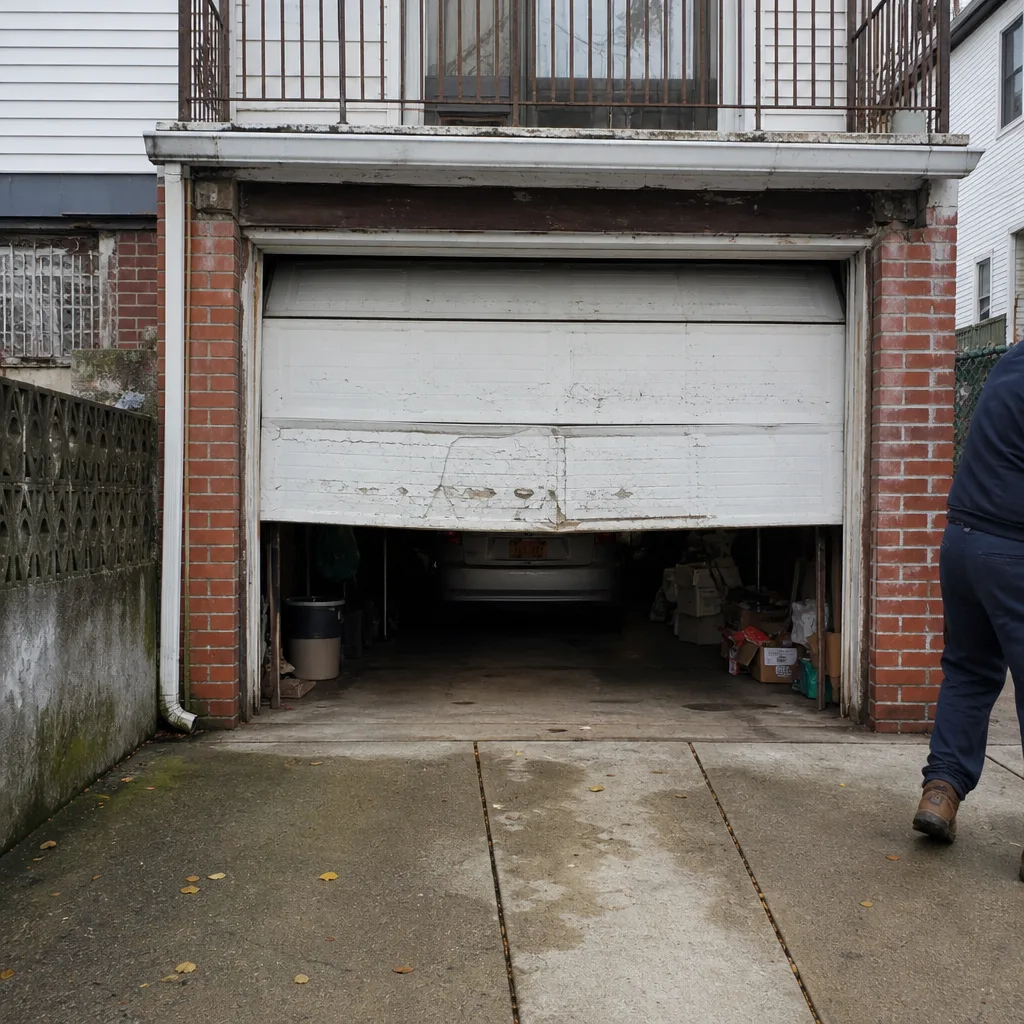 Before
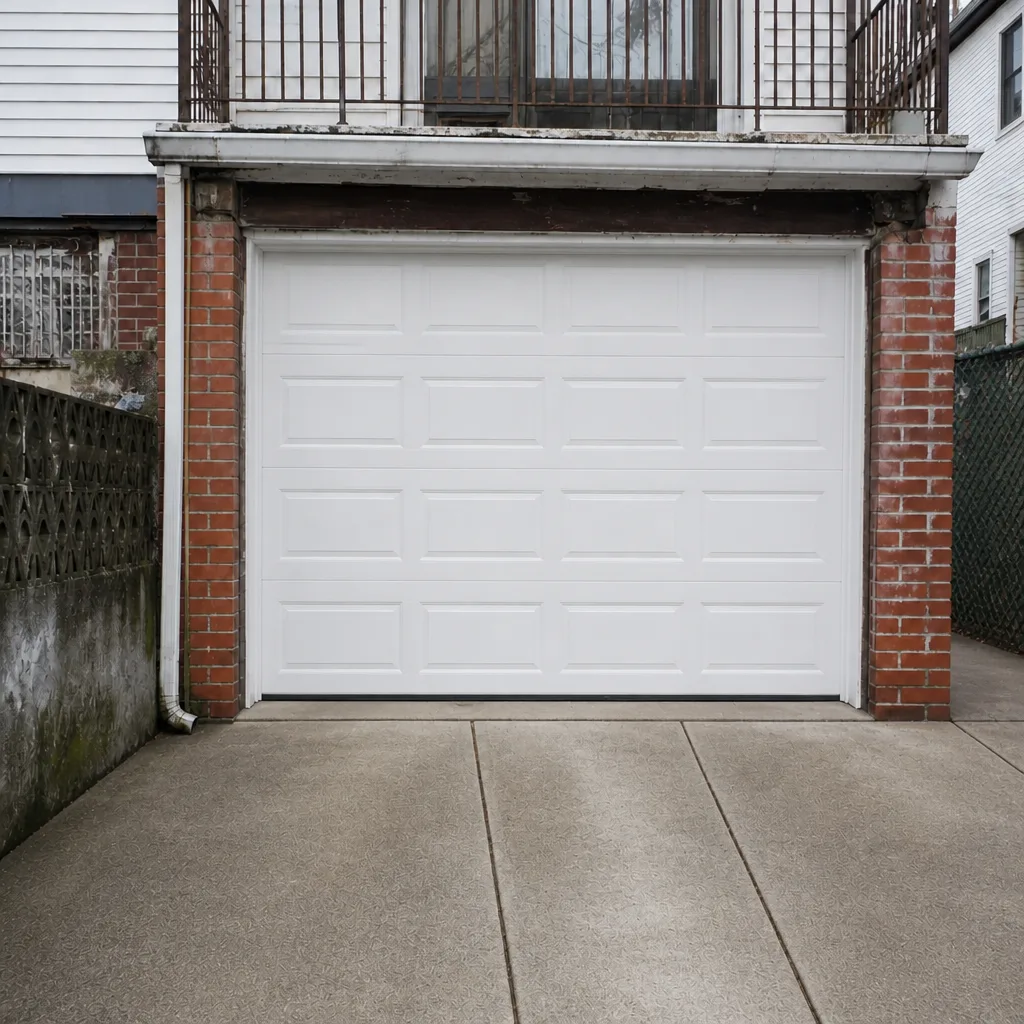 After
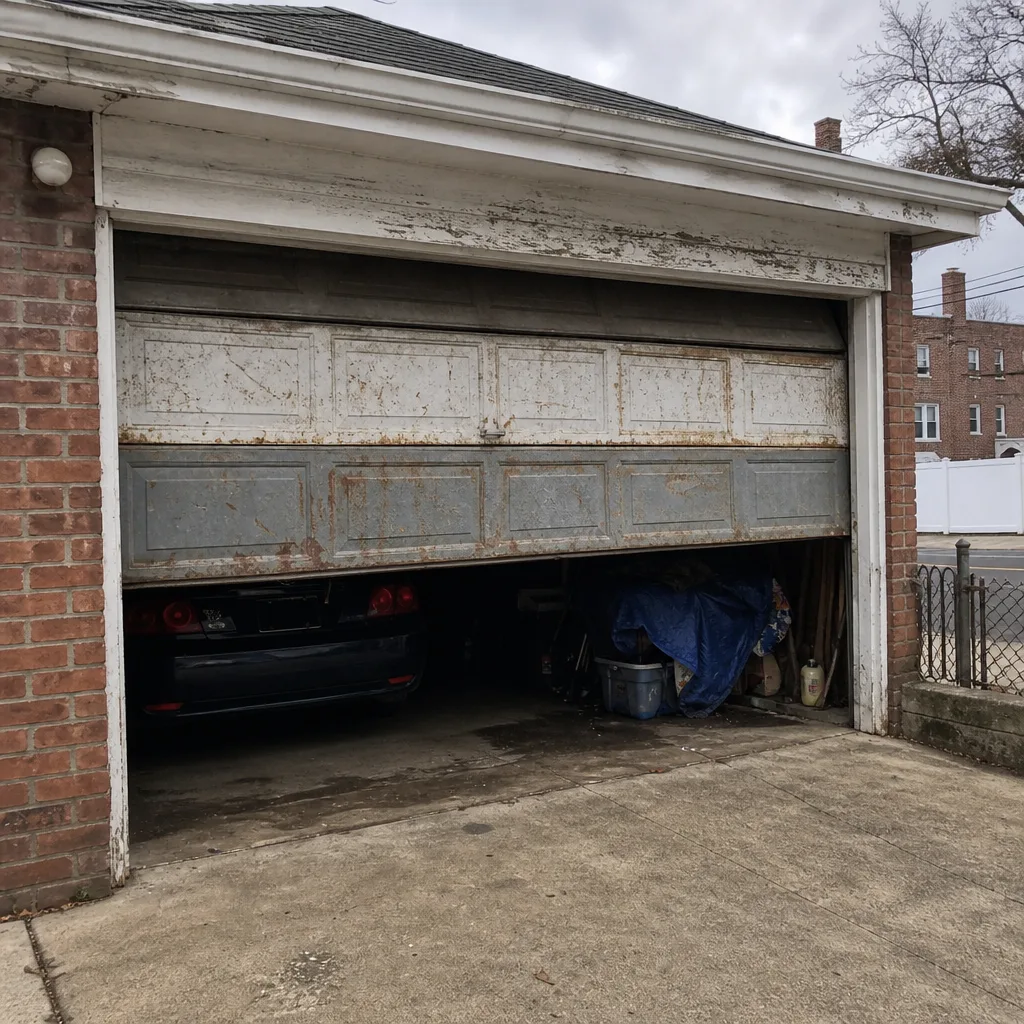 Before
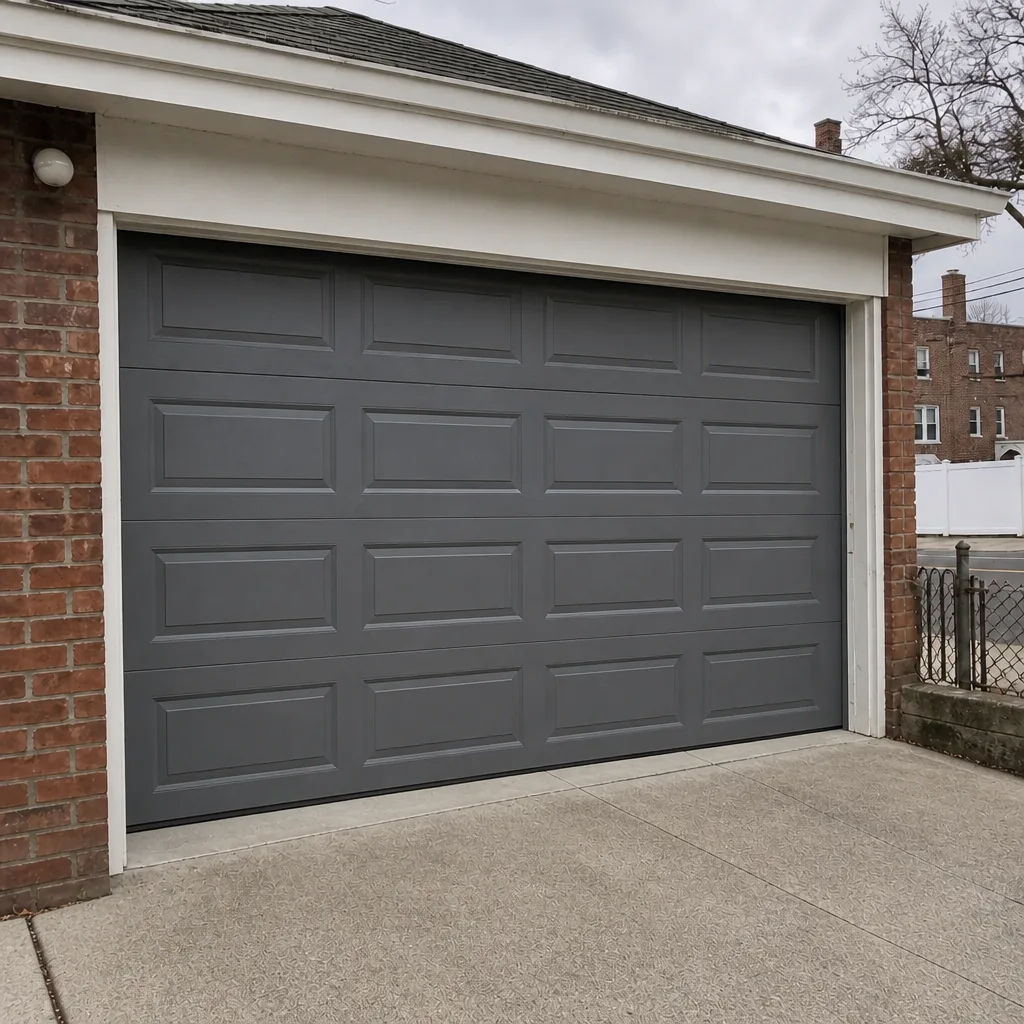 After
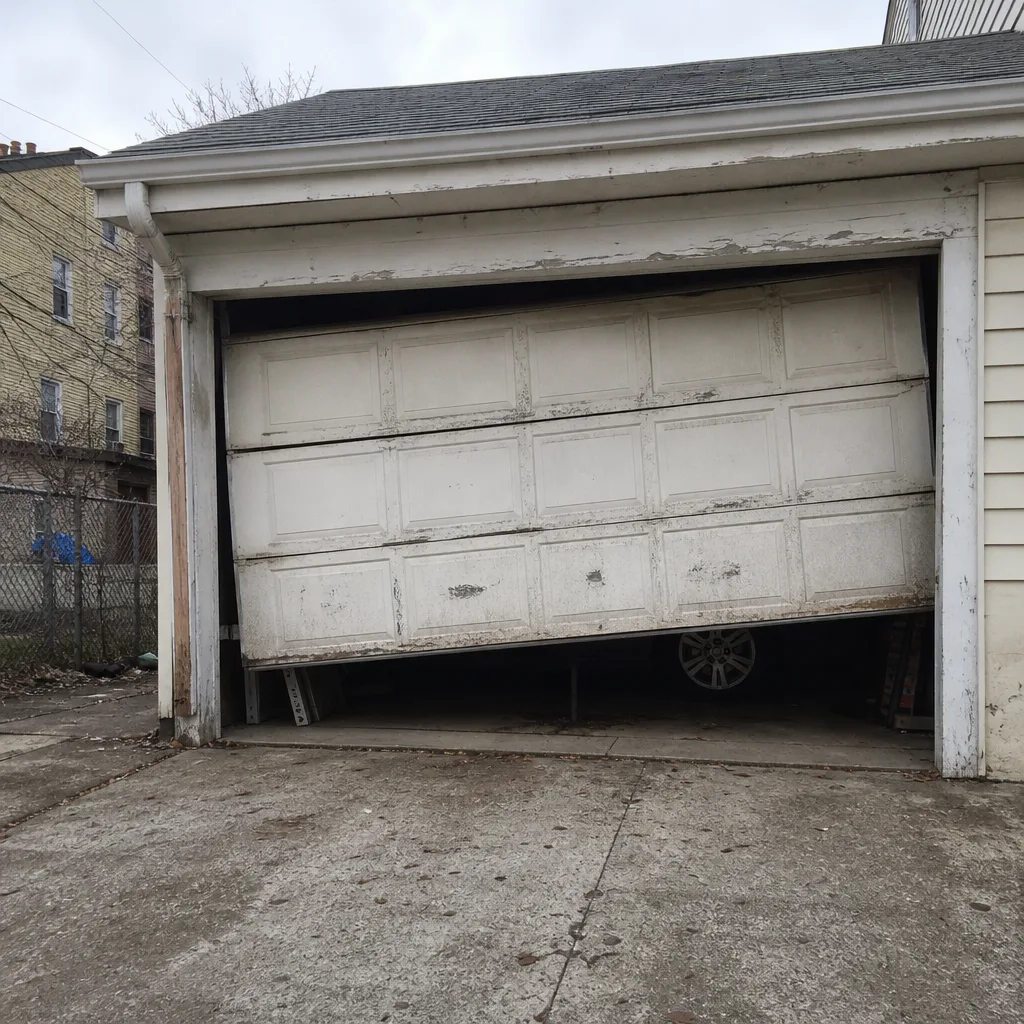 Before
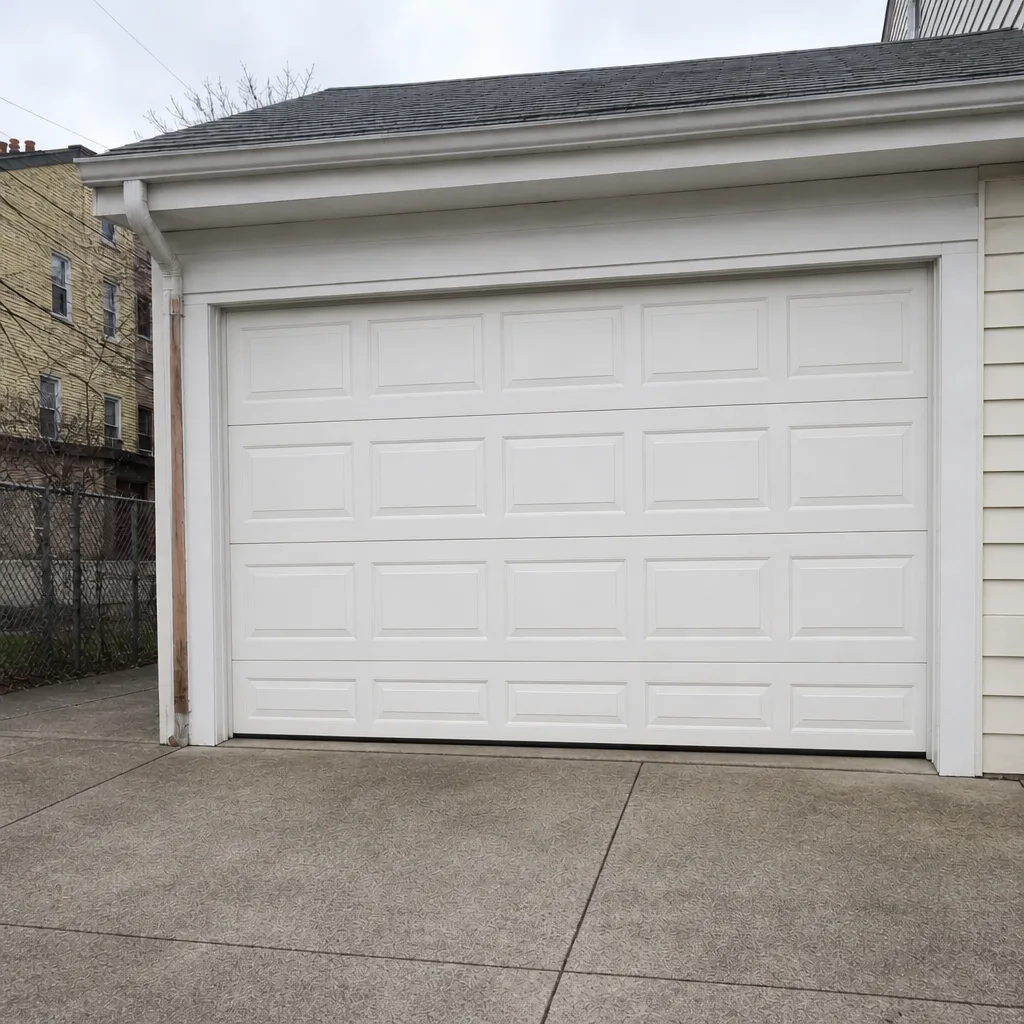 After
When to Call a Professional
Some problems are a glance-and-call. A snapped spring, a door hanging off its track, a cable that’s come loose, or an opener that won’t lift the door – those need a technician, and trying to force the door open can make it worse and risk injury. If the door won’t balance, if it moves in jerks, or if it slams instead of closing smoothly, the springs or hardware are involved. And if you’re planning a replacement in a tight East Harlem garage, the measure needs a professional eye before anything is ordered. Garage Door Repair East Harlem offers free estimates in East Harlem – call (866) 401-4528. We answer 24/7, with fast dispatch from 7am to 7pm, Sunday through Friday. For urgent failures like a broken spring or a failed opener, call and we’ll work to get you back up and running today.
Frequently Asked Questions
A low-headroom sectional, a roll-up, or a tilt-up – whichever matches your headroom, sideroom, and backroom measurements. In most attached brownstone garages, low-headroom track with a low-clearance torsion setup is the practical answer. Roll-up works where the ceiling is very low. The only way to know which fits is to measure all three clearances on site.
A single torsion spring typically runs $180 to $340. Because springs are usually replaced as a matched pair, a full pair costs about twice that. The written estimate sets the final price, and we quote before any work starts. Call (866) 401-4528 for an exact quote – estimates are free.
For urgent failures like a snapped spring, a door off-track, or an opener outage, we offer same-day service where scheduling allows. Call (866) 401-4528. We answer 24/7, with fast dispatch from 7am to 7pm, Sunday through Friday.
No. We measure, quote, and agree the price before any work starts, so the written estimate is what you pay. The only thing that changes the price is if you ask for additional work beyond the original quote, which we’ll discuss first. Call (866) 401-4528 for a free estimate.
The local professionals we connect you with are licensed and insured as their state requires. Our technicians have up to 12 years of experience, including high-tension spring work and multi-brand opener repair. Call (866) 401-4528 to discuss your door.
Yes. We work on the brand you already have, including LiftMaster, Chamberlain, Genie, Clopay, Amarr, Wayne Dalton, Craftsman, and Raynor products. That means faster diagnosis and the right part for your specific door, not a workaround. Call (866) 401-4528 for a free estimate.
The Bottom Line
East Harlem garage doors are shaped by their buildings. Pre-war attached garages, tight lot lines, and low clearances mean the answer is almost never “order a standard door and hope.” Measure the opening first. Choose the door type around those numbers. Treat springs and cables with the respect they deserve, because heavy urban use and river moisture wear them faster. And when something breaks, call a specialist who works on the brand you already have and quotes the price in writing before starting. That’s the whole guide in one paragraph – the details above are what make it work in practice.
For repair, replacement, spring work, or opener service in East Harlem, call (866) 401-4528 for a free estimate. We answer 24/7, with fast dispatch from 7am to 7pm, Sunday through Friday. Back up and running today is the goal.
Written by the team at Garage Door Repair East Harlem.