
Last updated November 21, 2026
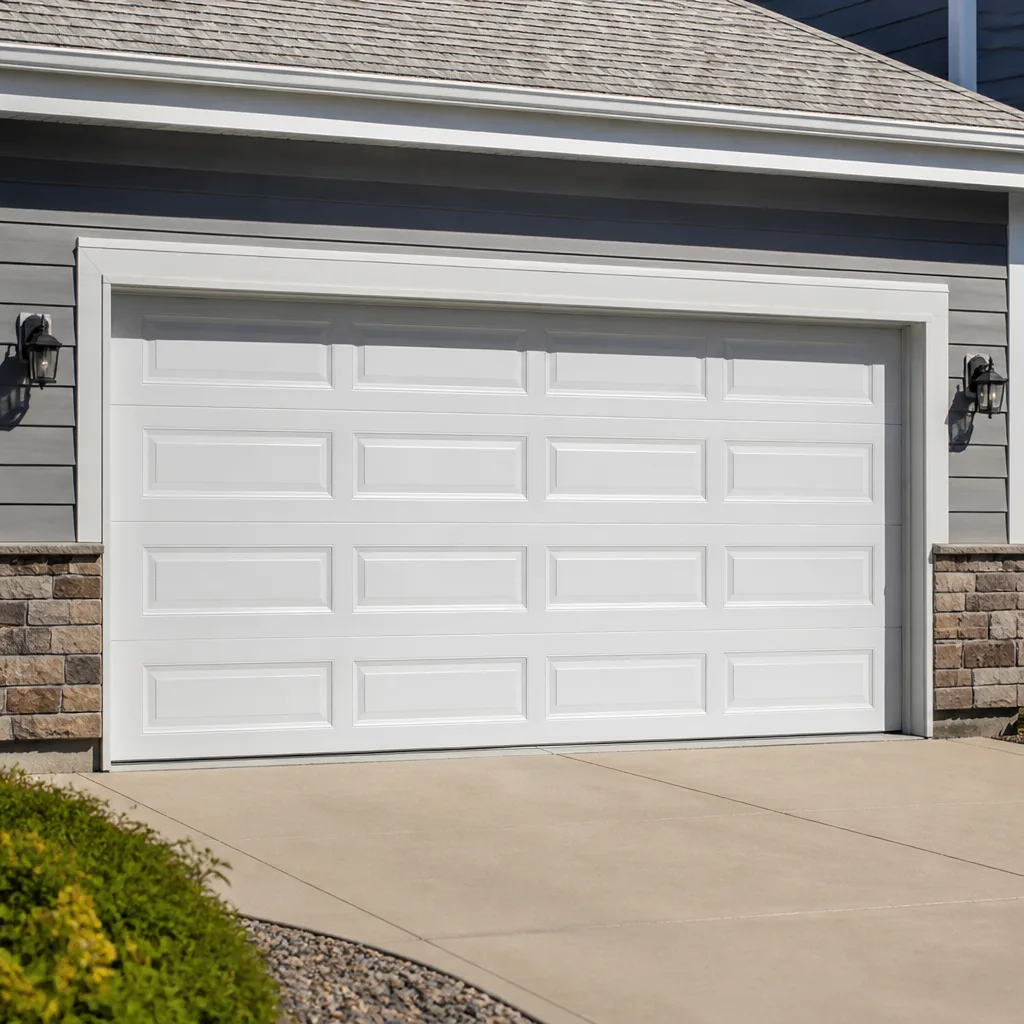 Raised-panel steel
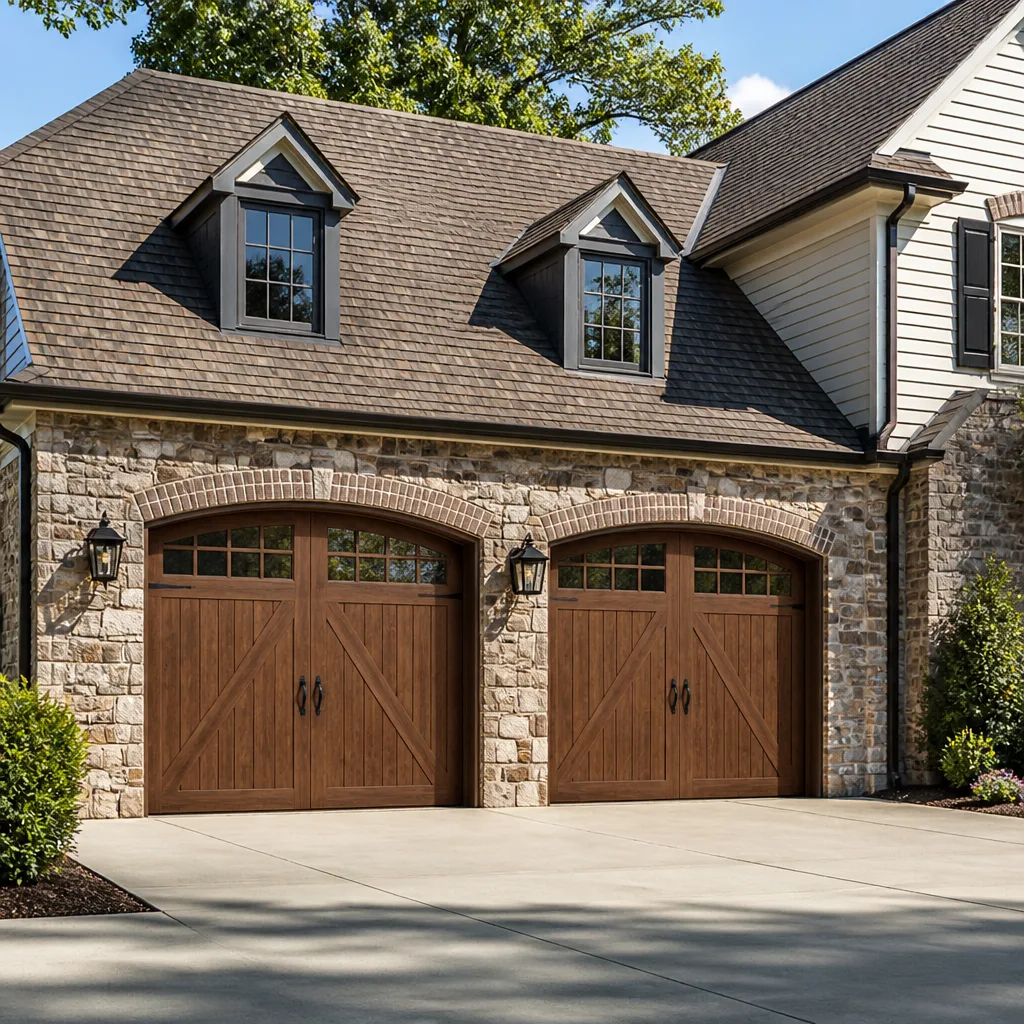 Carriage house
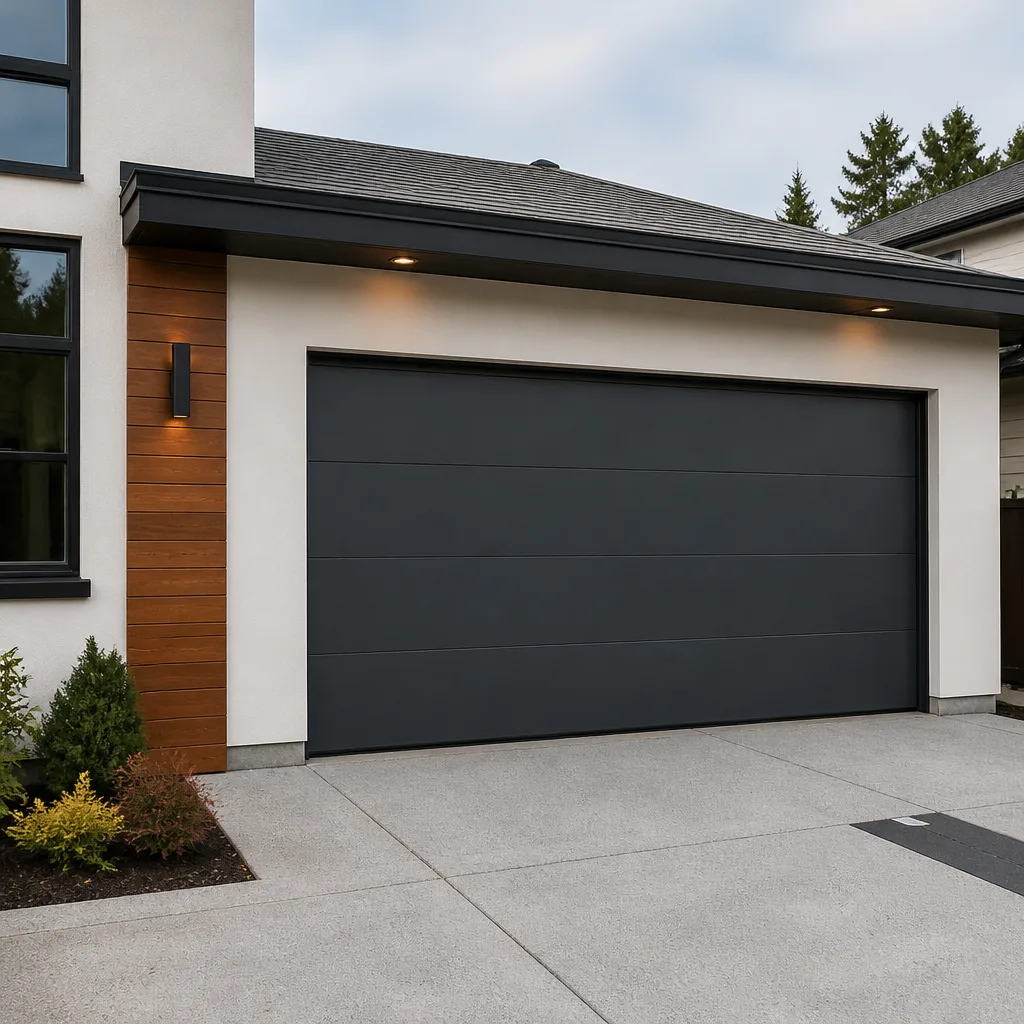 Modern flush
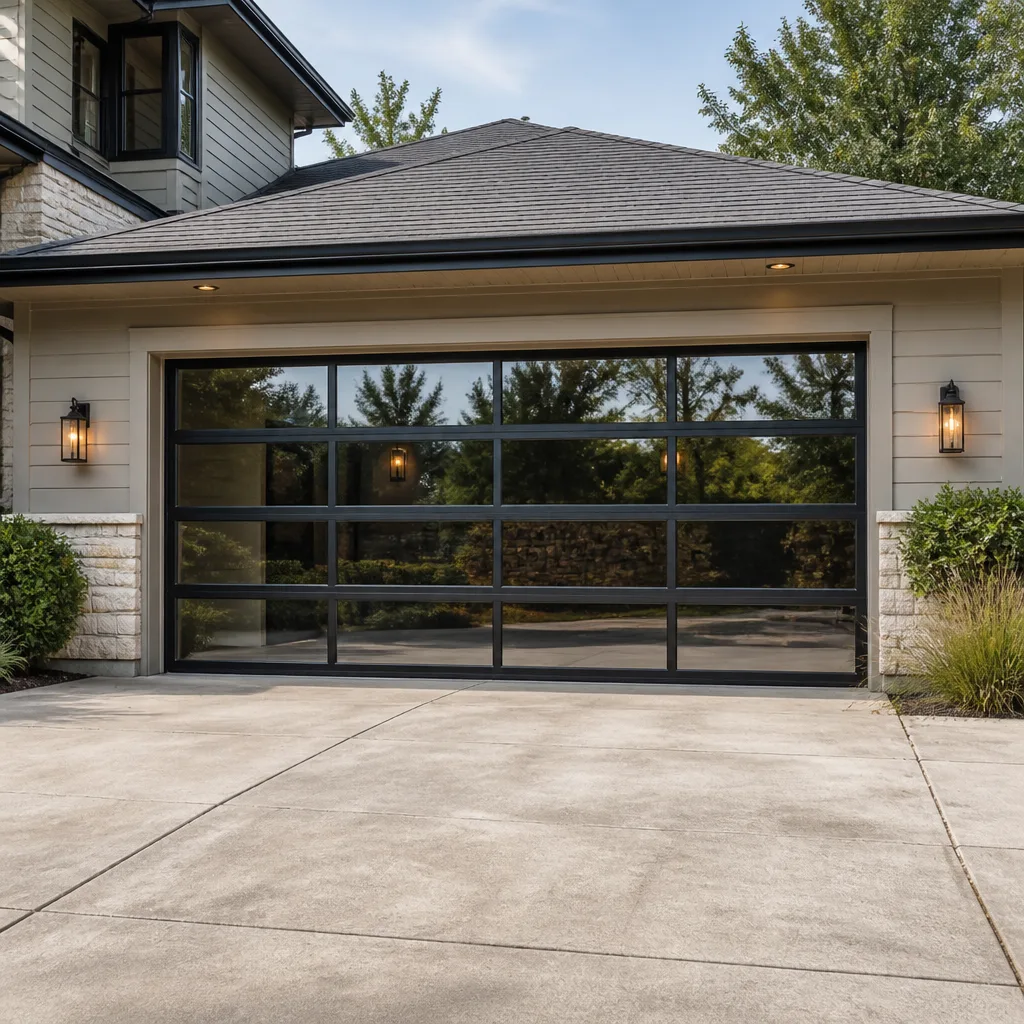 Full-view glass
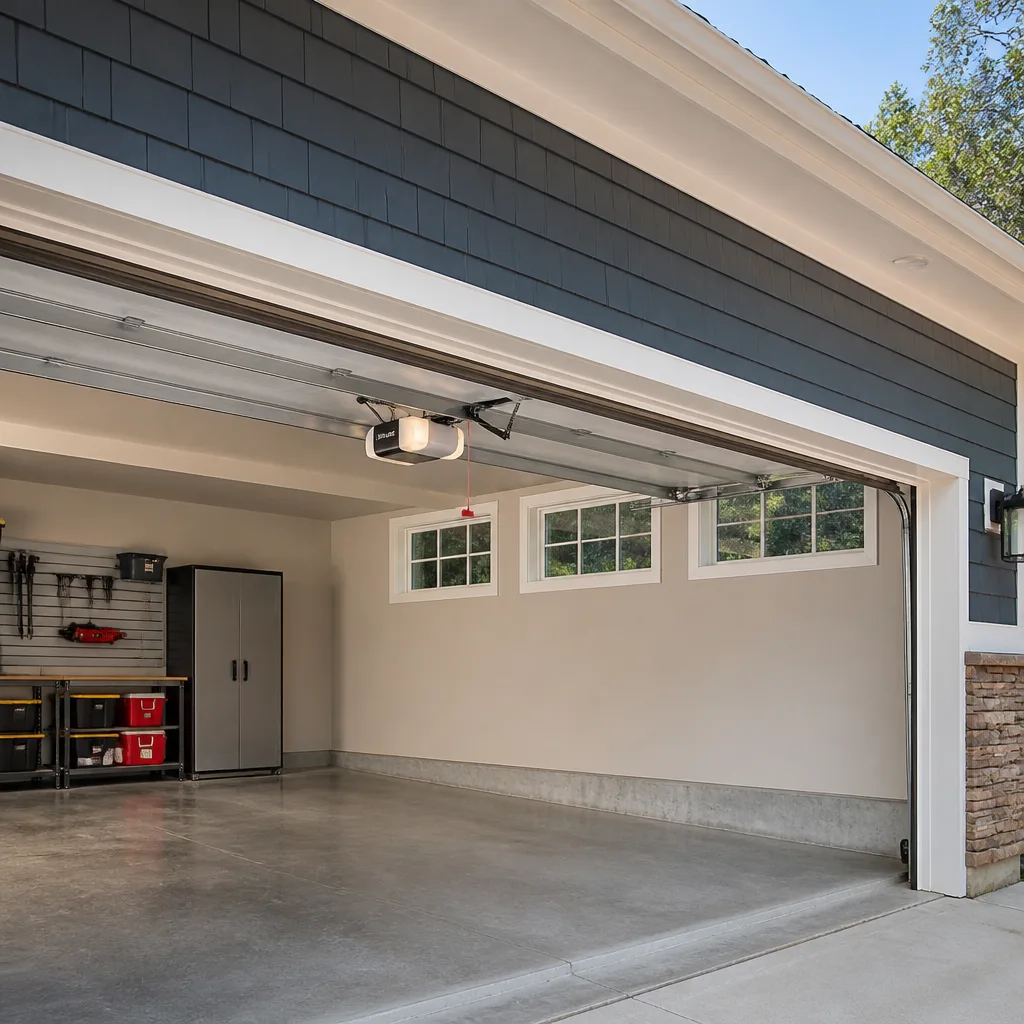 LiftMaster openers
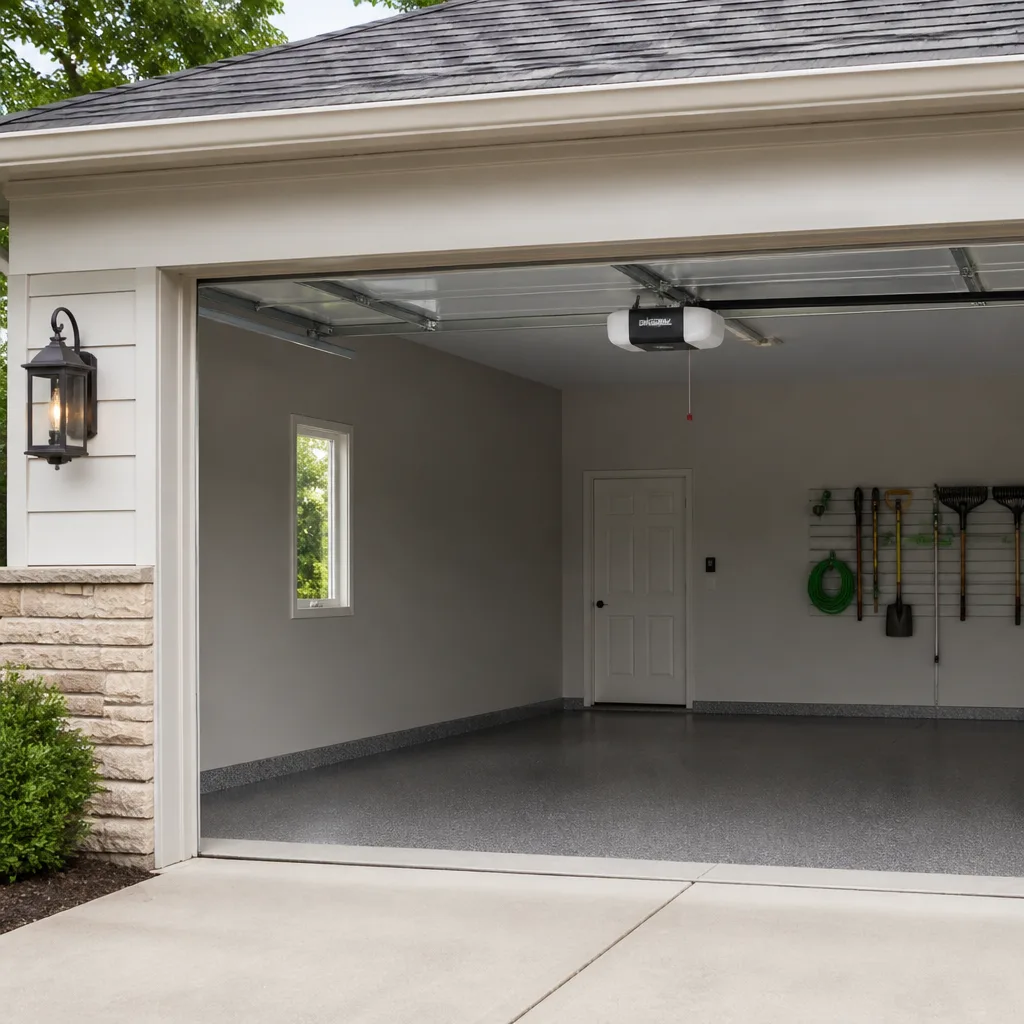 Chamberlain openers
Full 25-point door and opener safety check with every visit - springs, cables, rollers, tracks, and your LiftMaster or Chamberlain opener included
You get a price before we start. It does not change when the pro arrives.
Get your free estimateGarage Door Repair Maintenance Checklist for East Harlem Homeowners
The number one cause of “sudden” garage door failure isn’t bad luck or a mystery defect. It’s a maintenance item that was skippable for 11 months and catastrophic in month 12. Most homeowners find this out when a torsion spring snaps on a Tuesday morning and the car is stuck inside. A maintenance checklist written for a suburban garage doesn’t fit an East Harlem garage, though. Urban grime, road salt tracked in from winter streets, and the way temperature swings push steel around all change which parts fail first and how fast. This guide walks through what actually breaks in East Harlem garages, how to check for it yourself without special tools, and what to log so a technician can catch a trend before a repair call turns into an emergency.
Quick Answer
A garage door maintenance checklist for East Harlem has to focus on the parts urban conditions wear fastest: torsion bars that pit from road salt, cable drums that collect grime, rollers that dry out from temperature swings, and tracks that shift as the door contracts in January and swells in August. A monthly five-minute visual check plus a full lubrication and balance test twice a year catches most failures before they happen. Any inspection that finds a snapped spring, a frayed cable, or a bent track calls for a trained technician, not a homeowner with a wrench.
Styles & brands we work with
- Raised-panel steel
- Carriage house
- Modern flush
- Full-view glass
- LiftMaster openers
- Chamberlain openers
Table of Contents
- Why East Harlem Garages Wear Differently
- The Monthly Visual Check for Urban Doors
- How to Test Balance and Reversal Sensitivity
- The Right Lubricants for East Harlem’s Climate
- Seasonal Adjustment: Winter Contraction vs. August Humidity
- What to Log After Every Inspection
- Common Mistakes to Avoid
- When to Call a Professional
- Frequently Asked Questions
Why East Harlem Garages Wear Differently
East Harlem sits on a stretch of Manhattan where winter road salt, street grit, and four proper seasons all work on a garage door at once. A door that lives in a quiet suburban driveway sees mostly dust. A door on a block in East Harlem sees salt mist kicked up from the street, brake dust from idling traffic, and the fine grit that settles into every moving joint. That grit is abrasive. Left in a cable drum or a roller race, it grinds the metal smoother than it should be and turns what should be a long-wearing part into a yearly replacement.
The second factor is temperature. East Harlem swings from hard freezes in January to humid, heavy air in August. Steel contracts in the cold and track hardware can pull slightly out of alignment; wood or composite panels absorb moisture in summer and swell. Neither movement is dramatic on its own, but repeated over a year it loosens bolts, shifts the track, and changes how the door seats when it closes.
The third factor is how the door gets used. Many East Harlem homes have a garage door that opens once or twice a day, sometimes less. Low-use doors aren’t safer – they’re quieter about their problems. A spring that’s about to fail often gives warning through cycles. When the door only runs a few times a week, that warning stretches out over months and is easy to miss. Add in urban grime and you get a door that looks fine right up until it doesn’t.
We work on the brand you already have, so the checklist below is written to apply whether your door is a Clopay, an Amarr, a Wayne Dalton, or something older that came with the building. The inspection points are the same. What differs is the part you order and how the door is adjusted.
The Monthly Visual Check for Urban Doors
A monthly visual check takes five minutes and catches the failure patterns that matter in East Harlem. You’re not fixing anything here – you’re looking for changes since last month. Do the walk-around with the door closed first, then open and repeat.
- Look at the torsion bar for rust pitting. The torsion bar runs horizontally above the door. Salt and road grime cause small pits to form, and pits are stress risers – they’re where a torsion bar eventually cracks. Run your eyes along the length of the bar. Any orange crust or pitting is worth a photo and a note.
- Check the cable drums for grime buildup. The drums sit at each end of the torsion bar. Grit collects in the groove where the cable winds, and that’s where fraying starts. A drum packed with black grit tells you the cables are wearing faster than they should.
- Inspect the lift cables for fraying. With the door closed, look along each cable. A cable that shows broken strands, kinks, or rust is a call-now item, not a checklist item. Do not touch it beyond looking.
- Run your hand along the bottom seal. The rubber seal across the bottom of the door is what keeps street grit and water out. Stiff, cracked, or missing sections mean the seal needs replacing.
- Check the hinges and rollers. Look for dried-out rollers, loose hinge screws, and any wobble. Grime in a roller race shows up as a roller that doesn’t spin freely.
- Look at the track for dents or shifting. Follow each vertical track from the floor up. The track should look parallel and straight to the wall. A bend at the bottom is common in tight East Harlem garages where the door clears a parked car by inches.
- Look up at the springs. One continuous spring above the door is a torsion spring; two spring coils running along the track are extension springs. Either way, look for gaps, rust, or a stretched-out look. Never try to adjust or remove a spring yourself – a loaded spring holds enough tension to cause serious injury. That work belongs to a trained technician.
If any of the seven items above looks off, note it in your log and keep going. The point of the monthly check is to build a record, not to fix every small thing immediately. You’ll act on the pattern, not the single observation.
How to Test Balance and Reversal Sensitivity
A garage door can look perfectly normal and still be badly out of balance. An unbalanced door strains the opener, wears the springs faster, and is a genuine safety risk if it closes on something. You can test balance and reversal sensitivity in about two minutes without any special tools.
Balance test
- Close the door completely, then pull the emergency release handle so the door is disconnected from the opener. The door is now free to move by hand.
- Lift the door halfway and stop. A balanced door should stay roughly where you let go, give or take a few inches. If it slides all the way down, the springs are under-tensioned. If it slides up on its own, they’re over-tensioned.
- Raise the door to fully open and lower it back to the halfway point once more to confirm the result.
- Reconnect the door by pulling the release handle back (or by running the opener, depending on your model) and test the opener cycle before driving on it.
“A few inches” is the number that matters here. A door that drifts four or five inches from the halfway point is close to spec. A door that drops or rises more than that is out of balance and needs the springs adjusted – which is a technician job, not a homeowner one. Adjusting a torsion spring without the right winding bars is one of the most common ways people get hurt working on a garage.
Reversal sensitivity test
With the door on the opener, lay a roll of paper towels or a piece of scrap wood flat on the floor in the door’s path and press the close button. The door should reverse as soon as it meets the object, not after. If it pushes the object before reversing, or doesn’t reverse at all, the safety sensors or the opener’s force settings need attention. Many openers from LiftMaster, Chamberlain, Genie, and Craftsman have a sensitivity dial or a smart feature in the app that lets you tune this – check your model’s instructions, and if the test fails twice in a row, call a technician for garage door opener repair. A door that doesn’t reverse is not a door you want to leave on the opener overnight.
The Right Lubricants for East Harlem’s Climate
The single most common lubrication mistake we see in East Harlem is WD-40 in place of a real lubricant. WD-40 is a water displacer and a light solvent, not a long-term lubricant. It works fine as a cleaner, but it evaporates, leaves a residue that attracts grit, and does almost nothing for a hinge or a roller race. Skip it for this job.
What you want is a white lithium grease or a silicone-based spray for the moving metal parts, and a proper garage door lubricant for the rollers. Here’s where each goes:
- Rollers: a couple of drops of white lithium grease on the roller stem (not the roller wheel itself – grease on the wheel picks up grit and creates the grinding problem you’re trying to prevent).
- Hinges: a thin coat on the hinge pivot points. Wipe off excess.
- Torsion springs: a light spray of garage door lubricant along the coils. This reduces friction and slows surface rust, which matters more in an East Harlem garage than in a dry climate.
- Tracks: a very light silicone spray inside the track channel. Never grease the tracks – grease in a track grabs grit and slows the rollers.
- Weatherstripping: a silicone spray to keep the bottom rubber soft through winter.
Do the lubrication pass twice a year, and always after a stretch of winter weather. Salt and road grit are the enemy here – a fresh coat of grease gives the door a fighting chance before the next cold snap.
Seasonal Adjustment: Winter Contraction vs. August Humidity
A garage door moves with the seasons, and East Harlem’s swings are wide enough to matter. In January, steel contracts and older wood doors shrink slightly. Bolts that held tight in October can loosen. The track can pull a fraction of an inch out of alignment. In August, the same door absorbs humidity, wood panels swell, and the whole door seats a little differently in the frame.
That means the checklist has two peaks: a late-fall pass before the cold, and a late-spring pass before the humid stretch. Here’s what changes in each:
Late fall (before the freeze)
- Re-torque the track bolts and hinge screws – cold will only loosen them further.
- Grease everything before the first cold snap; grease applied to warm metal in October is still there in January.
- Check the bottom seal for hardened rubber. A stiff seal that was fine in October can crack the first time it hits a frozen floor.
- Test the opener’s force settings in cool air. Openers that barely had enough power to lift the door in summer will struggle in winter.
Late spring (before the humidity)
- Adjust the track if the door is binding on one side – a swelling wood door will push against the track, and the track needs to move with it.
- Check the springs and cables once more after a winter of heavy use; a spring that survived the cold can still fail by summer.
- Clean the tracks of winter grit before humidity makes it stick.
- Inspect for rust pitting on the torsion bar and cable drums – if salt moved into the metal in the cold, rust shows up in the warmth.
If you notice any single component loosening or binding more than once in a season, that’s a trend and it wants a technician’s look. There’s no “normal” for a door that’s drifting out of alignment twice a year.
What to Log After Every Inspection
A log is what turns a glance into a diagnosis. When you keep notes on each inspection, a technician can see the direction the door is traveling – a spring that’s losing tension, a track that’s drifting, a cable that’s fraying slowly – and catch it before it becomes an emergency. The log doesn’t need to be fancy. A note in your phone or a pad on the wall is enough, as long as you use it every time.
Log these items after every inspection:
- Date and cycle count. Note the date and an estimate of how many times the door has opened since the last inspection. Some openers track this in the app; otherwise, a simple tally is fine.
- Visual findings. Any rust, pitting, fraying, or grit you saw, and where.
- Balance test result. Which direction the door drifted from halfway, and roughly how far.
- Reversal test result. Pass or fail, and anything the door pushed before reversing.
- Lubrication. What you lubricated and when.
- Noise changes. Grinding, squealing, or a new rattle. Noise is one of the earliest signals that a part is wearing.
- What you didn’t touch. If you skipped a check because you couldn’t reach it or didn’t feel safe, note that too. A technician will want to know.
Two or three inspections in, the log tells you more than any single check ever could. If the pattern shows something deteriorating, call for garage door repair while it’s still a scheduled job rather than an emergency one.
See the difference
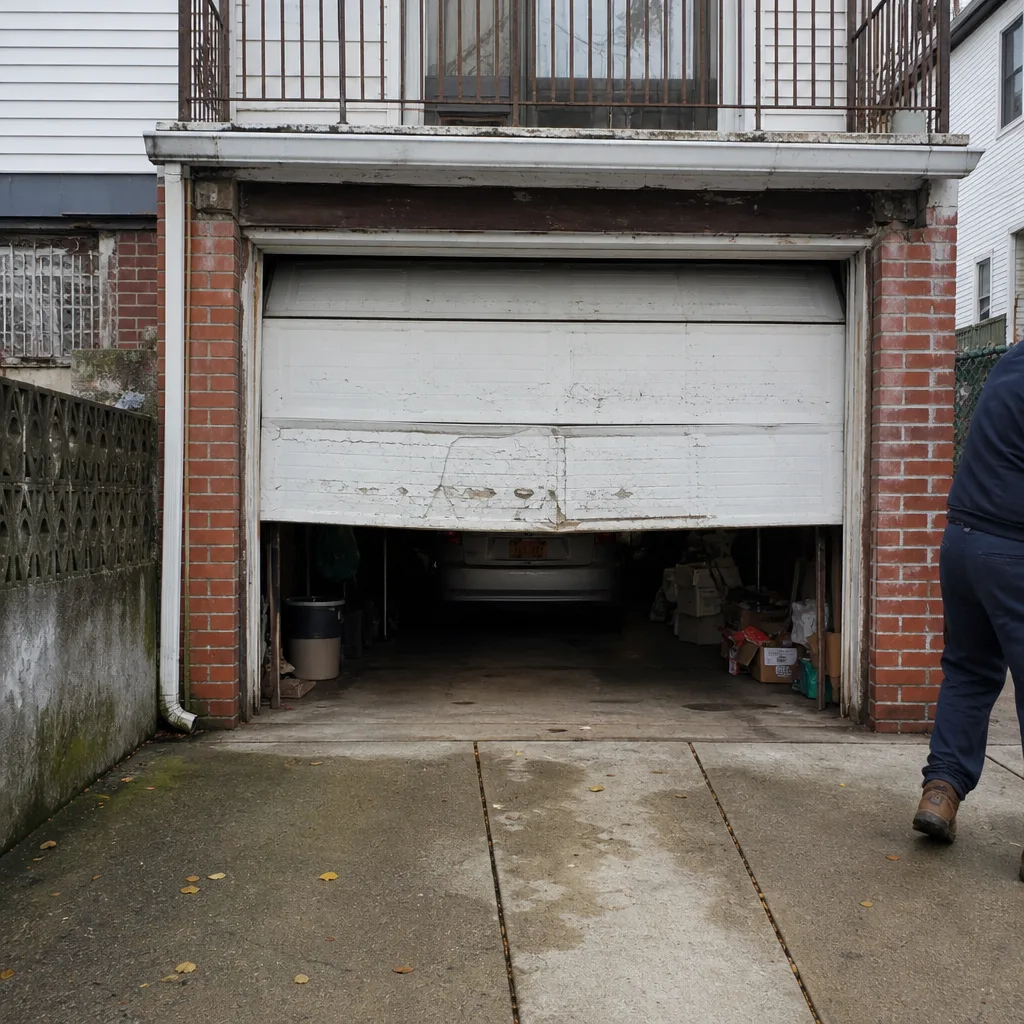 Before
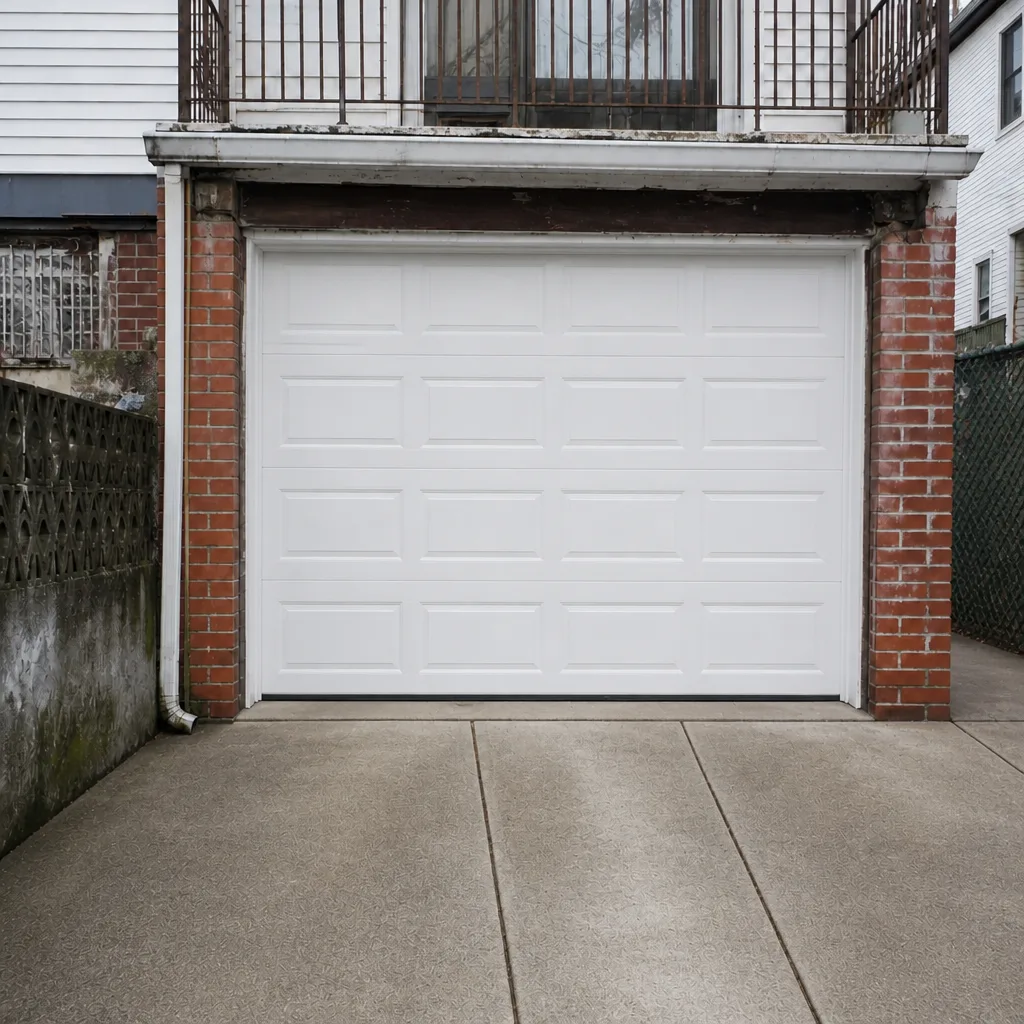 After
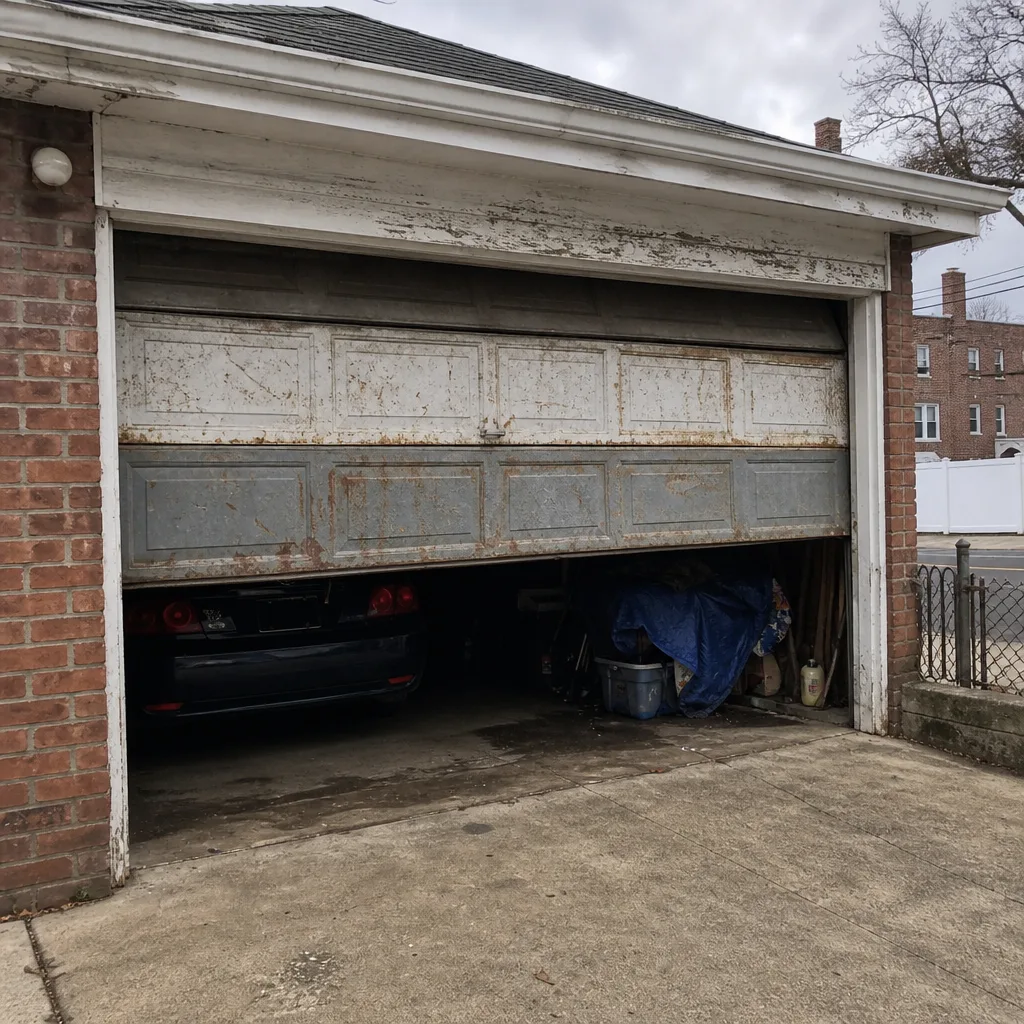 Before
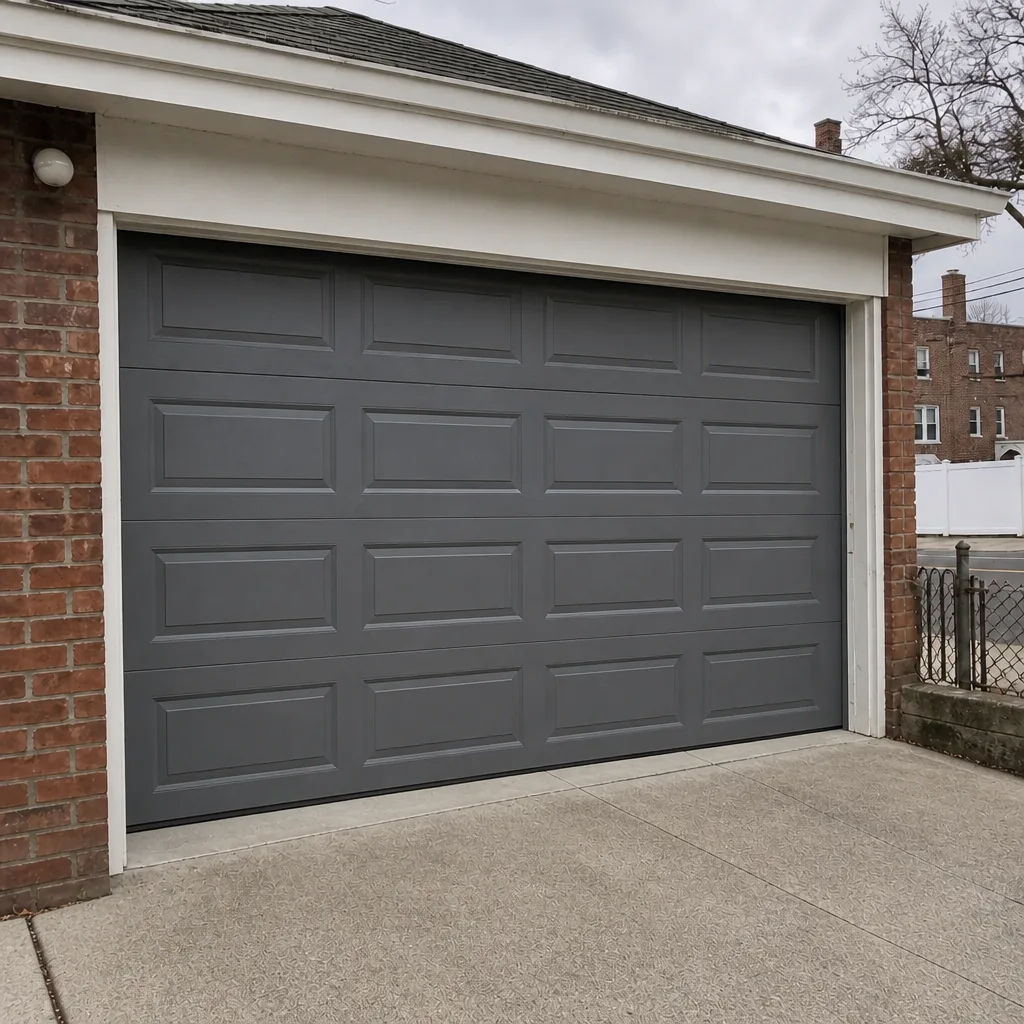 After
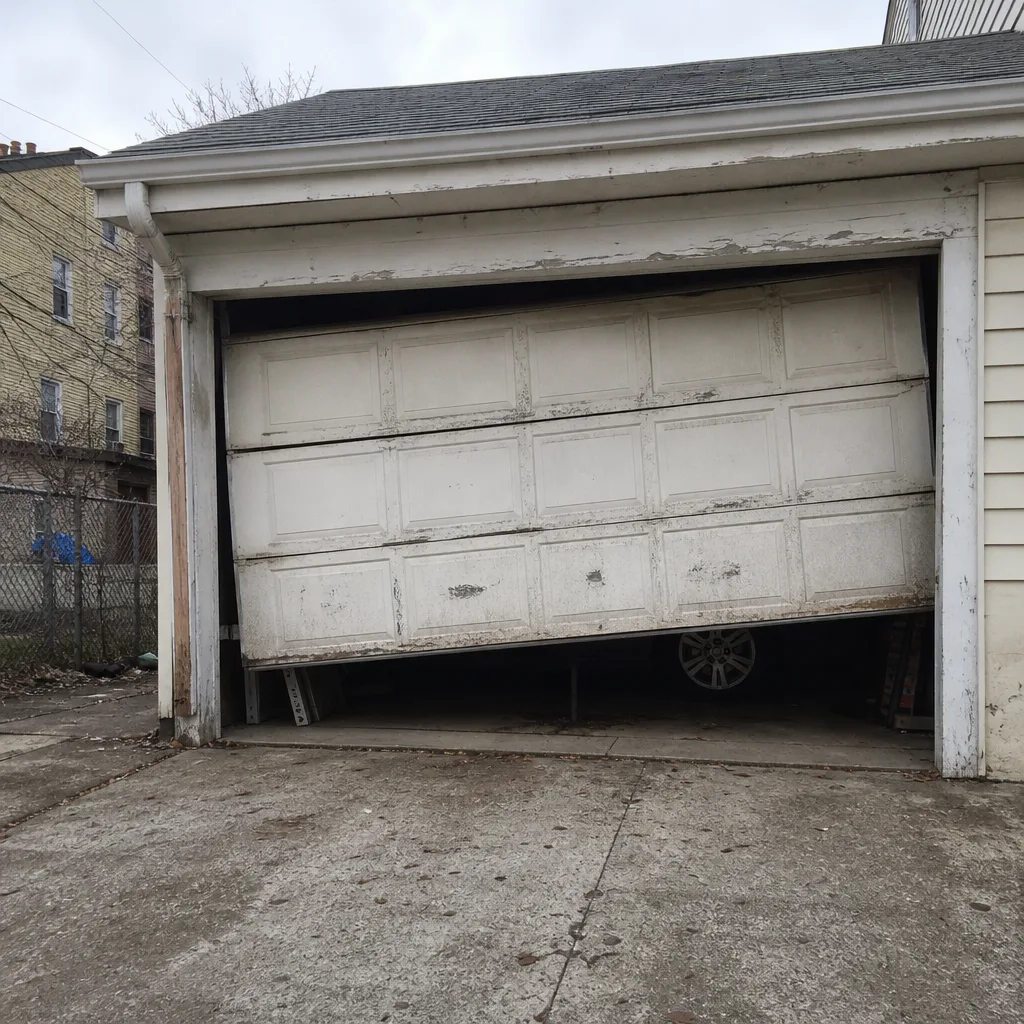 Before
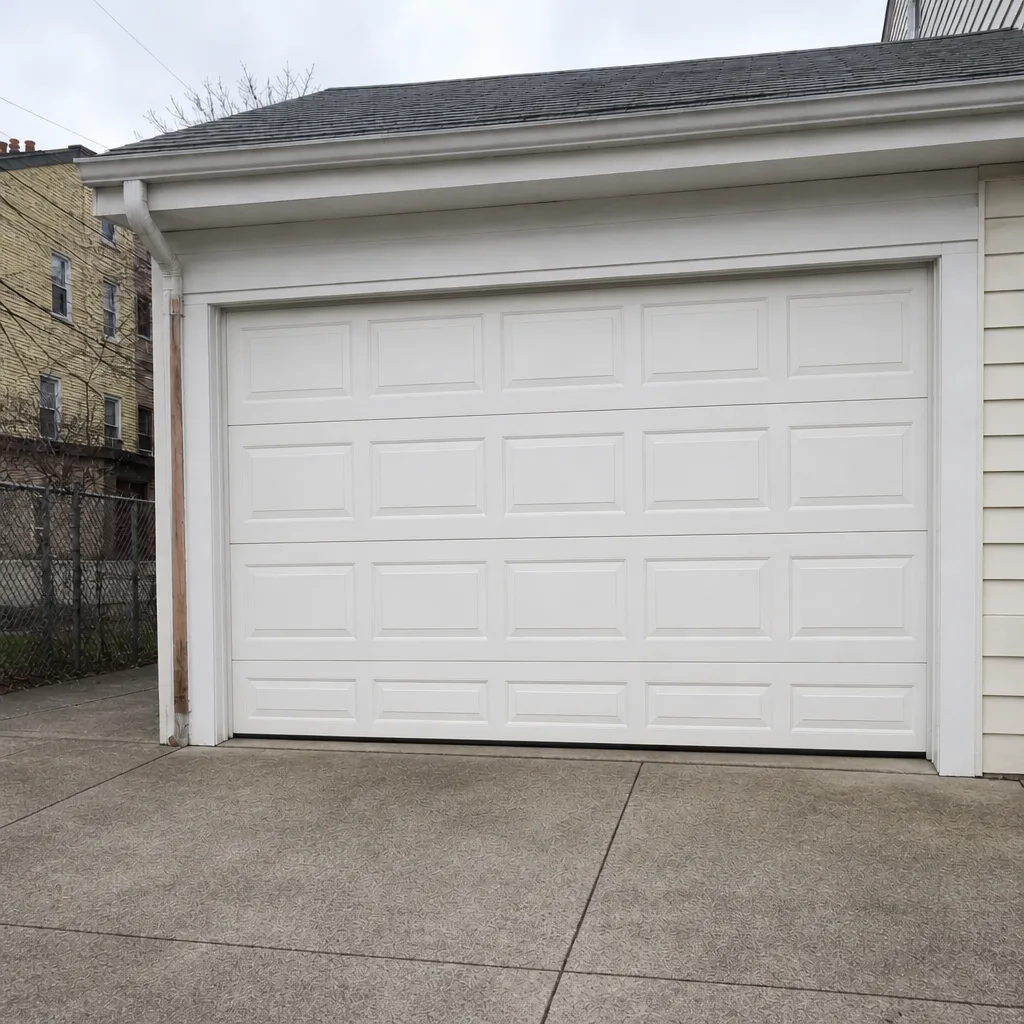 After
Common Mistakes to Avoid
- Using WD-40 as a long-term lubricant. It displaces water and cleans, but it evaporates and leaves grit behind. Use a garage door lubricant on springs and hinges and a white lithium grease on roller stems instead.
- Greasing the tracks. A greased track grabs street grit and turns it into grinding paste under the rollers. Silicone spray only, applied lightly.
- Trying to adjust a torsion spring yourself. This is the single most dangerous mistake in the whole checklist. A loaded torsion spring holds enough energy to seriously injure you, and the correct winding procedure takes specialized bars and training – never attempt it, even if a video makes it look easy.
- Testing the balance with the opener still connected. You have to pull the emergency release first. Testing with the opener engaged doesn’t tell you anything about the door’s actual balance.
- Ignoring a small track dent. A bend at the bottom of the track in a tight East Harlem garage is common, but left alone it accelerates roller wear and can cause the door to come off the track entirely.
- Skipping the post-winter inspection. Salt and grit build up over the winter. Spring is when you clean the tracks and inspect the torsion bar for rust pitting – skipping it lets the wear compound.
- Assuming low-use means low-maintenance. A door that opens twice a week fails just as reliably as one that opens twice a day – it just fails more quietly, giving you less warning through noise and motion.
When to Call a Professional
Most of the items above are things you can check and even do yourself. Some of them aren’t. Call a trained technician if you find a snapped or visibly cracked spring, a frayed or kinked lift cable, a track that’s bent or pulled away from the wall, a door that’s out of balance by more than a few inches, or an opener that fails the reversal test twice in a row. These aren’t weekend projects – a loaded spring or cable can cause serious injury, and a door that comes off its track can damage the car behind it. A door that’s noisy, binding, or slow to respond to the opener is also worth a call, because those signs usually get worse before they get better.
We’ve handled spring repairs, opener repairs, and full door replacements across East Harlem, and the pattern is consistent. The jobs that come in as emergencies are almost always jobs that were showing a warning sign for months.
Garage Door Repair East Harlem offers free estimates in East Harlem – call (866) 401-4528. We answer 24/7. Fast dispatch from 7am to 7pm, Sunday through Friday. Every price is quoted and agreed in writing before any work starts, so you know the cost before the door comes off its track. Call (866) 401-4528 for a free estimate.
Frequently Asked Questions
A five-minute visual check every month, plus a full balance and lubrication pass twice a year is the right rhythm for East Harlem. Urban grit and road salt wear the door faster than a suburban garage, so a fall pass before the freeze and a spring pass before the humidity are the two most important checkpoints. Call (866) 401-4528 for a professional inspection if you’ve never had one done.
Typical East Harlem repair prices run from around $95 to $180 for a roller or hinge replacement, $150 to $340 for a complete spring replacement on a single spring, and $400 to $700 for a cable and drum repair. A matched pair of springs usually costs about twice the single-spring figure. If your opener is at fault, opener repair typically runs $120 to $280. The written estimate sets the final price, so the number agreed before the work starts is the number you pay. Call (866) 401-4528 for a free estimate.
Yes, in most cases. We answer 24/7 and dispatch crews Sunday through Friday from 7am to 7pm, and we treat same-day repair as standard, not a premium. A snapped spring, a door off its track, or an opener outage all qualify as urgent calls. Call (866) 401-4528 as soon as you notice the problem – we’ll book the earliest available slot.
No. Every price is quoted and agreed in writing before any work starts. If the on-site inspection turns up something that changes the scope, we tell you what we found and what it will cost before we touch the door. No surprise invoices. Call (866) 401-4528 for a free estimate.
Use a proper garage door lubricant on the torsion springs and hinges, and white lithium grease on the roller stems. Skip WD-40 entirely as a long-term lubricant – it’s a water displacer, not a grease, and it evaporates and leaves grit behind. Never grease the tracks; use a light silicone spray instead. Call (866) 401-4528 if you’re not sure which of your parts need which product.
The local professionals we connect you with are licensed and insured as their state requires, and our technicians have up to 12 years of experience with leading brands including LiftMaster, Chamberlain, Genie, Clopay, Amarr, Wayne Dalton, Craftsman, and Raynor. We work on the brand you already have. Call (866) 401-4528 for a free estimate.
The Bottom Line
A good maintenance checklist for an East Harlem garage door isn’t about a perfect lubrication schedule. It’s about catching the failure patterns that urban conditions speed up – rust pitting on the torsion bar from winter salt, grit in the cable drums, tracks that drift as the door contracts and swells with the seasons. A five-minute check every month, a full balance test and lubrication pass twice a year, and a simple log of what you find are enough to spot a problem well before it becomes an emergency. Anything involving the springs, cables, or a door that’s come off its track is a call to a technician, not a project to handle yourself. If you need a free estimate for garage door installation or a repair, call (866) 401-4528. For a full overview of our services, start with garage door repair East Harlem.
Written by the team at Garage Door Repair East Harlem.