
Last updated November 21, 2026
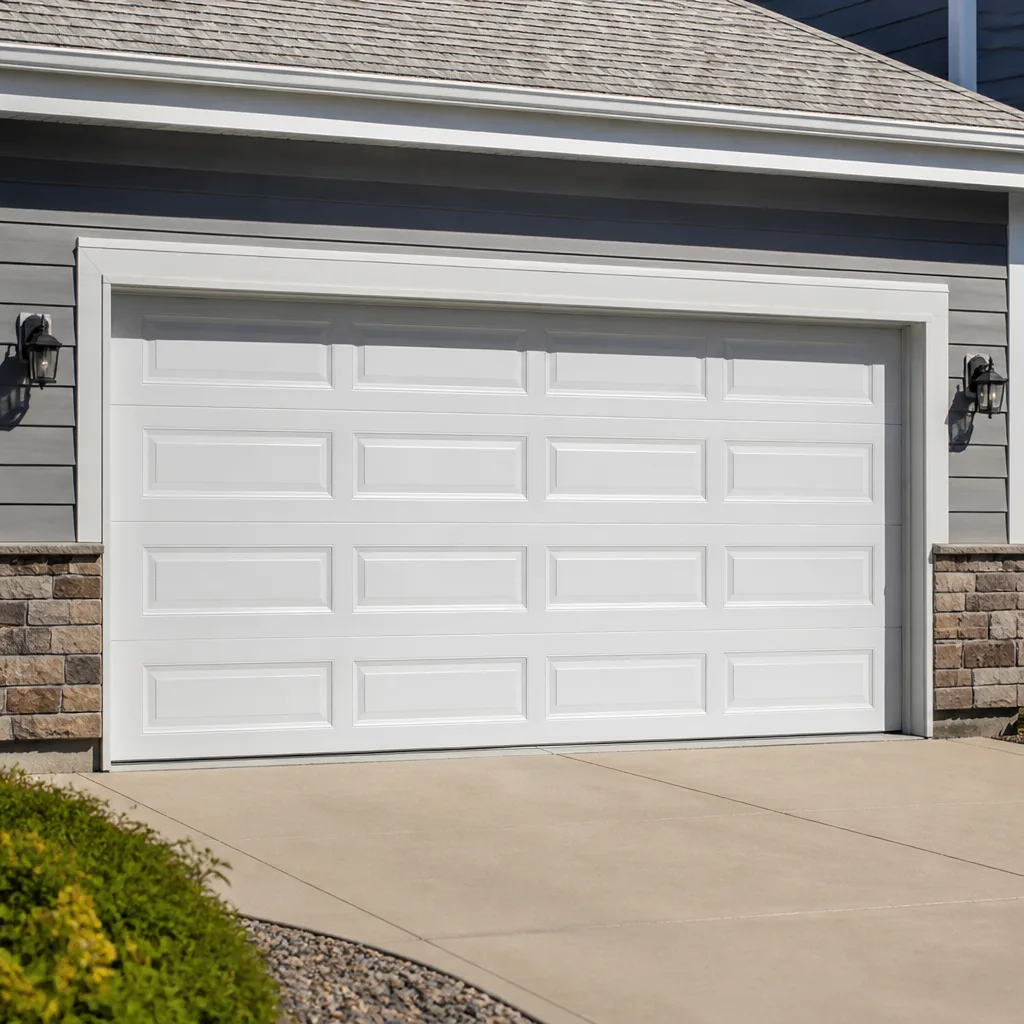 Raised-panel steel
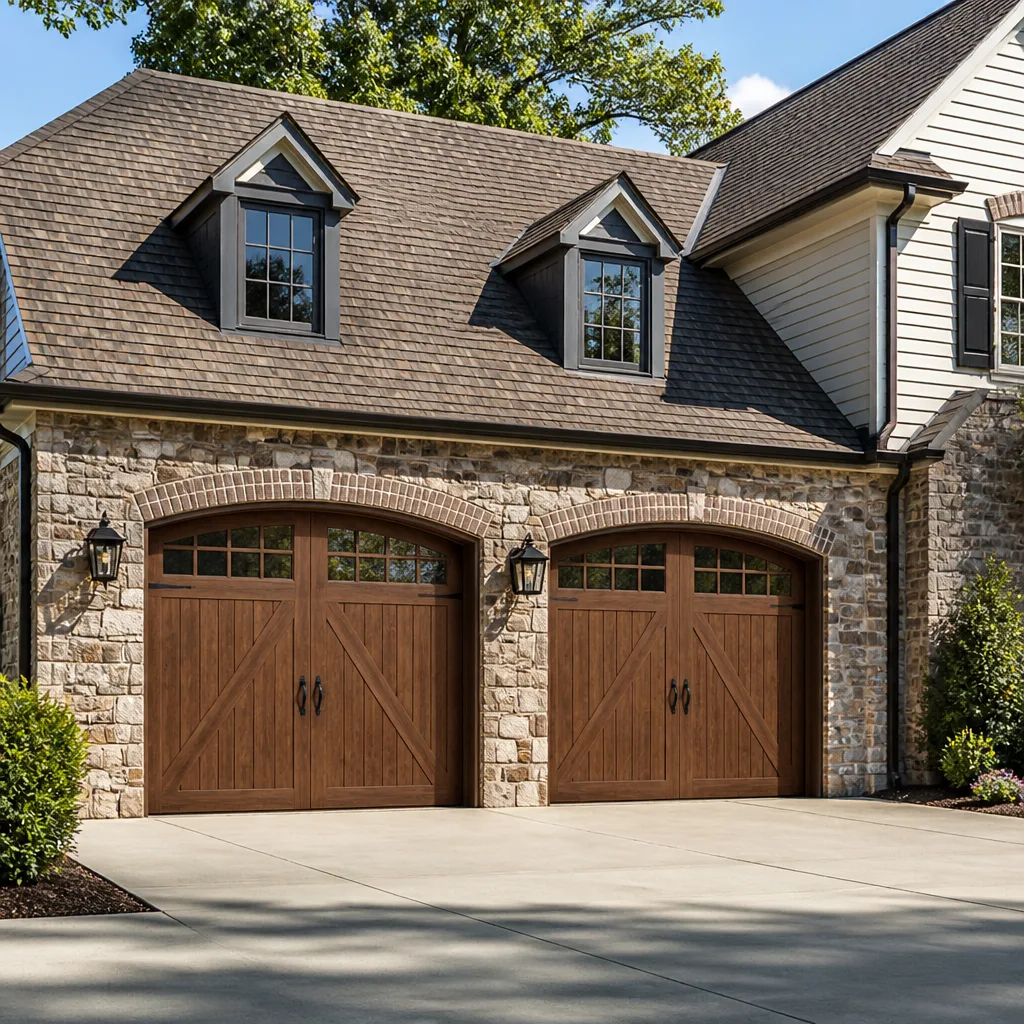 Carriage house
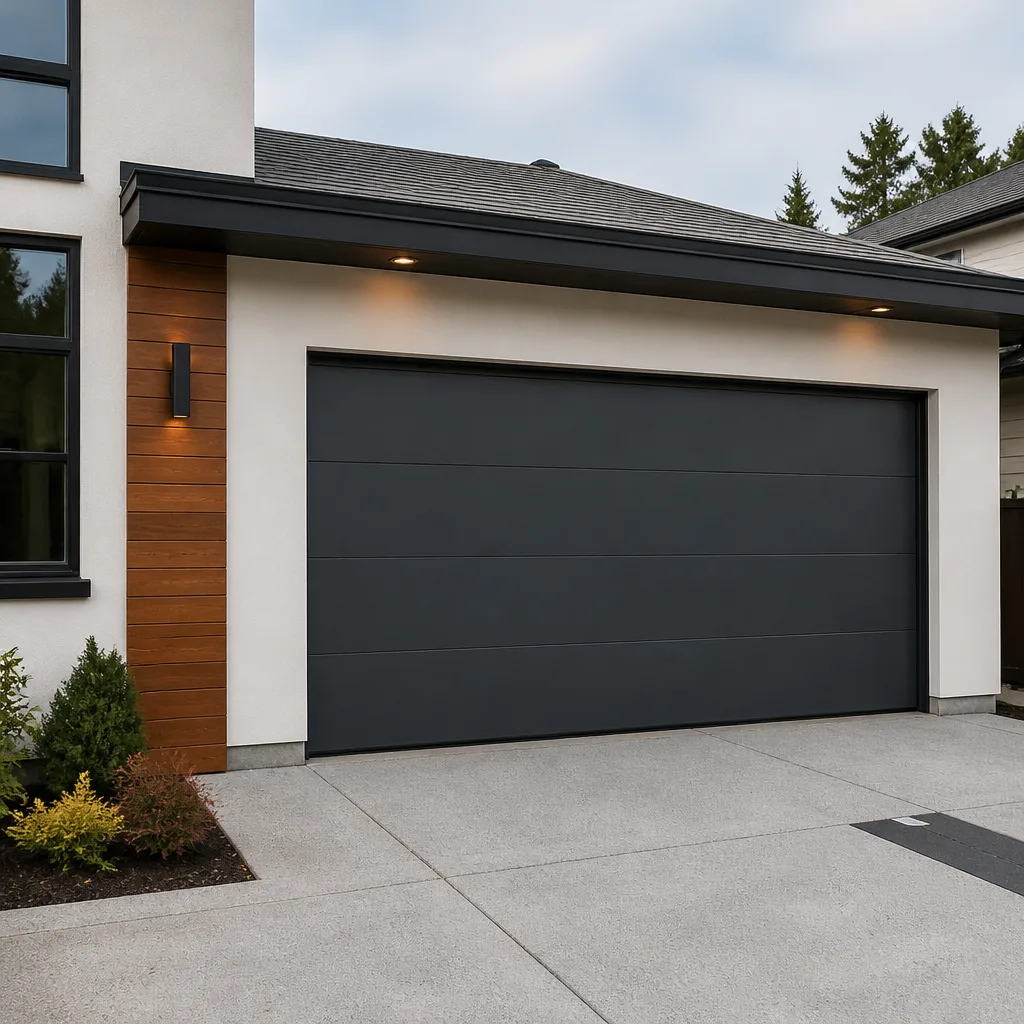 Modern flush
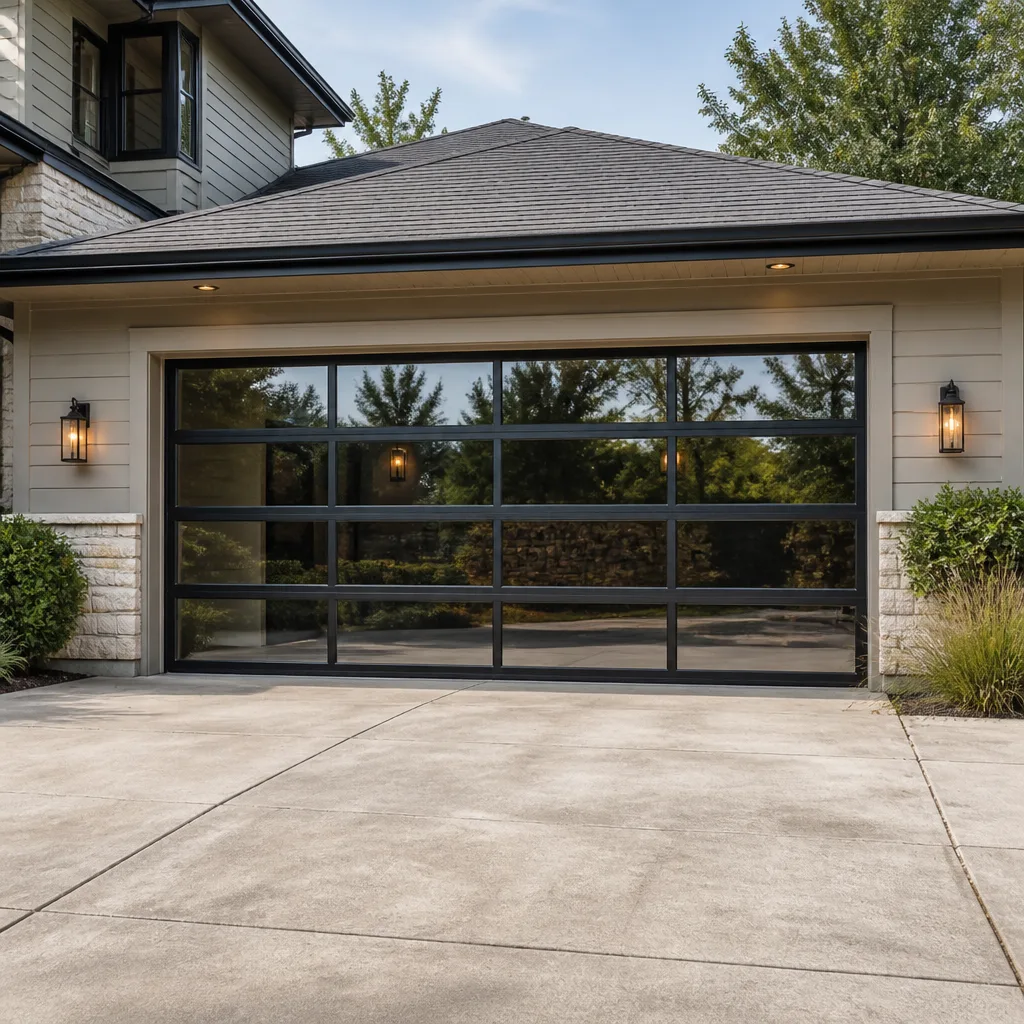 Full-view glass
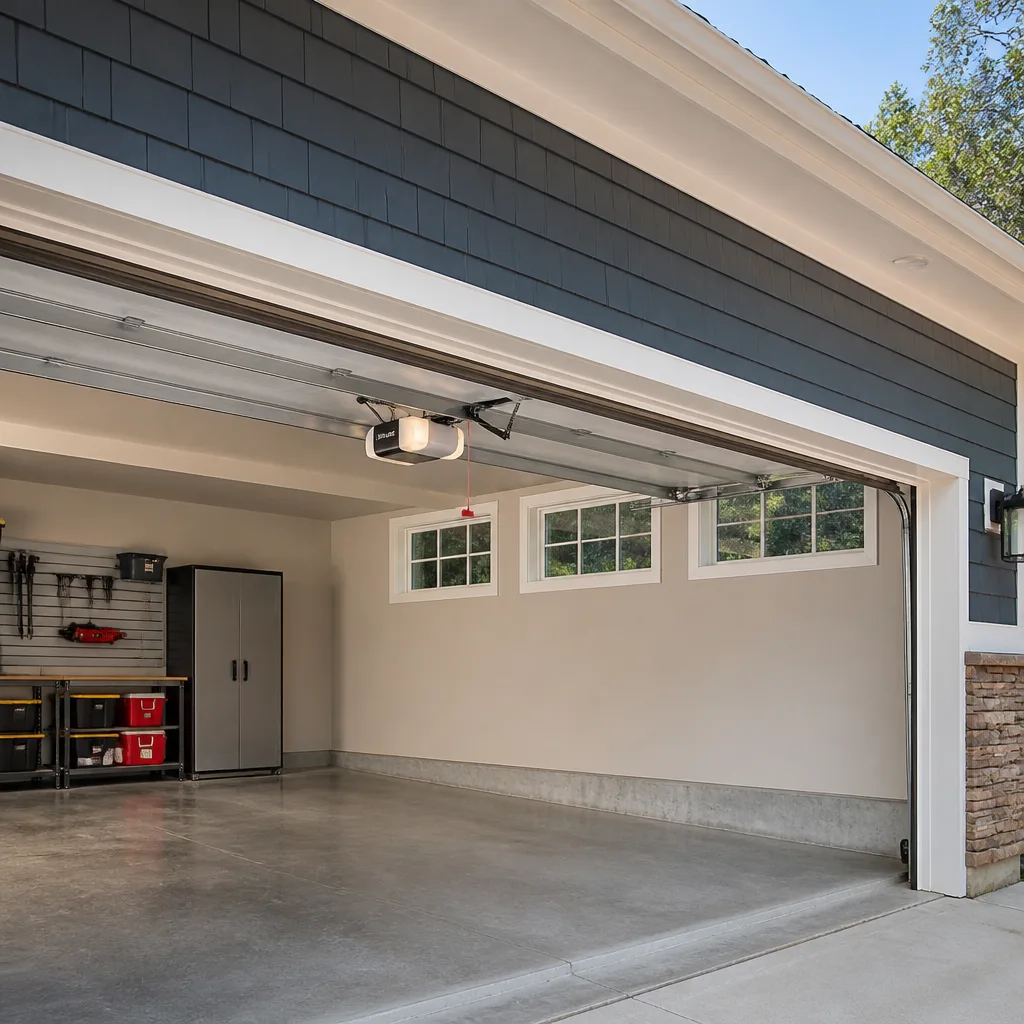 LiftMaster openers
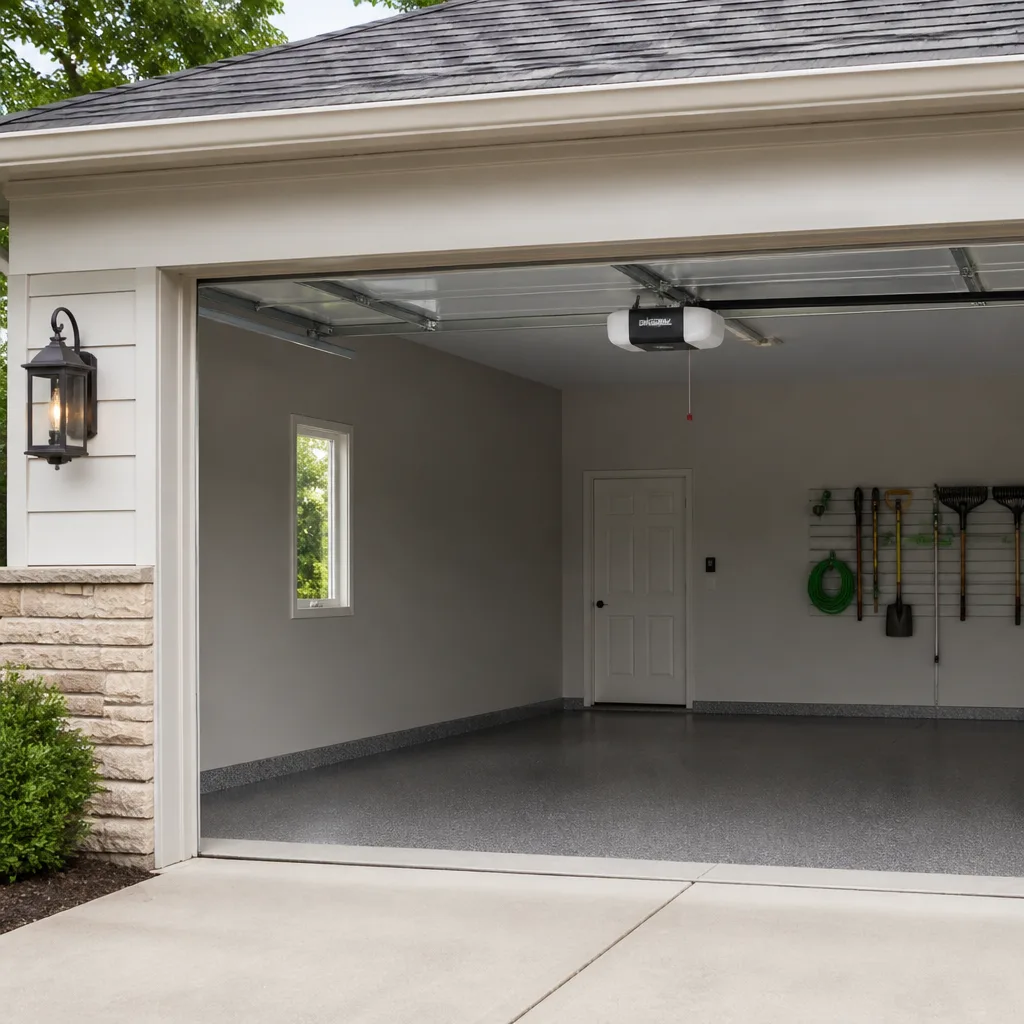 Chamberlain openers
Full 25-point door and opener safety check with every visit - springs, cables, rollers, tracks, and your LiftMaster or Chamberlain opener included
You get a price before we start. It does not change when the pro arrives.
Get your free estimateGarage Door Emergency Preparedness Guide for East Harlem Homes
Most garage door advice assumes you’ll deal with a problem at a calm, convenient moment. Door failures don’t work that way. They happen when you’re late for work, when you’re trying to lock up for the night, or when you’re loading a car in the rain. The East Harlem homeowners who recover fastest aren’t luckier than anyone else; they made three or four decisions before anything broke. This guide builds that plan with you: how to release a dead door by hand, how to secure an opening you can’t close yet, what to have ready before you call, and which failures mean stop and which can wait until tomorrow. That last distinction saves you the most money.
Quick Answer
A garage door emergency in East Harlem is usually one of four failures: a broken torsion spring, a cable off the drum, a door stuck open after an opener failure, or a door jammed off its track. Of those, a snapped spring or a cable off the drum needs a professional before the door moves again. A dead opener or a door stuck in the closed position can often wait a few hours if you know how to release the door manually. Prepare the release cord, your door’s brand and model, and a service contact now, and you cut the panic out of the moment entirely.
Styles & brands we work with
- Raised-panel steel
- Carriage house
- Modern flush
- Full-view glass
- LiftMaster openers
- Chamberlain openers
Table of Contents
- The Emergency Response Protocol, Step by Step
- How to Disengage and Operate Your Door by Hand
- When the Door Is Stuck Open and Can’t Be Fixed Right Away
- What to Have Ready Before You Call for Emergency Service
- The Two Failures That Need a Pro Now vs. What Can Wait Until Morning
- The Pre-Emergency Checklist: Four Things to Confirm Today
- What’s Different About Garage Doors in East Harlem
- Cold-Weather Failures and Warm-Season Binding
The Emergency Response Protocol, Step by Step
When a door fails, the instinct is to grab the remote and press it again. That’s the wrong first move. A door that has lost spring tension or thrown a cable is no longer under normal control, and forcing the opener to push against it can bend panels, strip the opener’s gear, or pull the door further off its track. Follow this sequence instead.
- Stop operating it. Don’t press the remote or wall button again. If the door is partway open, leave it where it is until you’ve looked at it.
- Look and listen before you touch anything. Is the door hanging crooked? Are the cables still wound on the drums at the top corners? Is there a spring hanging loose above the door? Any of those means hands off.
- Clear the area. Keep kids and pets away from the opening. A door with a failed spring can come down hard and fast if something disturbs it.
- Decide: secure the opening or release the door manually. If the door is closed, secure it as it is. If it’s open and you need the car, go to the manual release section below.
- Call for service with the right information in hand. The next sections tell you exactly what to have ready.
That’s the whole protocol. The reason it works is that it slows you down for thirty seconds, which is exactly what a homeowner standing in front of a jammed door usually needs. In our experience, most avoidable damage on garage doors in East Harlem happens in the first minute after the failure, not the failure itself.
How to Disengage and Operate Your Door by Hand
If your opener has failed but the door itself is intact – it’s straight, the cables are on, no spring is hanging – you can usually release the door and lift it by hand. This is the skill that turns a locked-in evening into a minor inconvenience. Read this before you need it, because doing it for the first time in the dark is harder than it sounds.
What you’ll need
- The emergency release cord, which hangs from the trolley that rides the center rail of the opener
- A pair of work gloves, since the cord and track can have sharp edges
- Someone standing clear of the door to watch while you lift it
Steps to release the door by hand
- Make sure the door is fully closed if you can. This takes the weight off the release mechanism.
- Find the release cord. It’s usually a red handle hanging from a rope at the trolley on the center rail. If you don’t see one, look for a lever or a knob on the trolley itself.
- Pull the cord down firmly and toward the direction the door travels. You should hear or feel the trolley release from the door arm.
- Standing to one side, lift the door slowly by its bottom edge. An intact door on working springs is light, often manageable with one hand. If it’s extremely heavy, stop – that’s a sign the springs aren’t carrying their share of the weight.
- To close it again, lower it gently and let it settle, then re-engage the trolley by pulling the release cord again or by hand-cycling the opener once.
A safety note before you start: the torsion springs and the cables above your door are under extreme tension at all times. Do not touch them, adjust them, or try to “help” a spring by hand. Spring and cable work is the most dangerous part of garage door repair in East Harlem, and it’s the part best left to a technician. Releasing the door from the opener is safe; work on the springs is not.
When the Door Is Stuck Open and Can’t Be Fixed Right Away
A door stuck open is a security problem before it’s anything else. You’ve lost the barrier between your car, your stored tools, and the street. Getting it fixed promptly is the real answer, but in East Harlem, where a garage often opens onto an alley, a block-face, or a shared drive, the temporary solutions that make sense are physical ones.
- Close and latch the door to the floor if you can. Many doors can be lowered by hand even with a dead opener, then held down with a C-clamp on each side of the track just under the bottom roller. That prevents a lift from outside.
- Secure the manual lock. If your door has an exterior manual lock, use it. If it doesn’t, a pair of slide locks or a padlock through the track is a reasonable stopgap.
- Park a vehicle against the inside of the door if the layout allows. It sounds crude, but a car parked snug against the door closes the gap overnight while you wait for service.
- Tell a neighbor. In a dense block, someone is around more than you are. A heads-up means a strange sound gets noticed.
- Don’t pile anything against the track or lean heavy items on the door. That’s how panels and tracks get bent, and it turns a small fix into a bigger one.
What not to do: don’t wedge the door open and walk away. An open garage in East Harlem draws attention, and once a door is left open it’s exposed to weather, rain coming in under the gap, and simple wear on the seals and weatherstrip. Call for help, secure it physically, and treat the fix as the priority it is. We answer 24/7, so you can call about an open door in the middle of the night and get booked into the next dispatch window.
What to Have Ready Before You Call for Emergency Service
The single biggest time-saver in a garage door emergency is information. A technician who knows your door’s brand, your opener model, and the exact symptom can often bring the right part on the first trip. On a dense East Harlem block, a second trip for the wrong part costs hours. Have this ready before you dial.
- The door brand. LiftMaster, Chamberlain, Genie, Craftsman, Raynor, Clopay, Amarr, and Wayne Dalton all have their own part systems. A photo of the label or the back of the door helps.
- The opener model. Look for the label on the back or underside of the opener unit or inside the light lens cover. Note whether it’s a belt-drive, chain-drive, or screw-drive.
- The symptom in plain words. “The door goes up about a foot and stops” or “the door is closed but the opener keeps running” tells us more than “it’s broken.”
- What you’ve already tried. Did you press the wall button? Did you try the manual release? Did the lights blink?
- Access instructions for the technician. Where do you park, which door of the building, is there a buzzer, is there a gate code? In East Harlem, access details save ten or fifteen minutes before work begins.
- Whether there’s a car inside. This changes the urgency and the order of work.
Wireless and smart openers on LiftMaster and Chamberlain models often log their own history, and Genie units with Wi-Fi show a code in the app. That log is worth noting. Call (866) 401-4528 for a free estimate on the repair, or to get a technician dispatched. We answer 24/7.
The Two Failures That Need a Pro Now vs. What Can Wait Until Morning
Not every garage door emergency is urgent. Sorting your problem into “call now” or “call in the morning” is the most practical decision you’ll make all day. Here’s how we break it down.
Call now – these can’t wait
- A broken torsion spring. The door is now far heavier than the opener is designed to lift, and anything that forces it can snap a cable, bend panels, or bring the door down. Stop using the door and call.
- A cable off the drum. A cable that has jumped the drum or snapped can whip and slice. Don’t touch it, don’t try to wind it back, and keep everyone clear.
- A door hanging off its track. This is a fall risk. Don’t lower it, don’t walk under it, and call.
Usually can wait until morning – but secure it
- A dead opener with an intact door. If you’ve released the door manually and the door lifts and lowers smoothly by hand, the door itself is fine. The opener is the problem, and it can be repaired at the next opening.
- A door stuck closed. This is an inconvenience, not a safety issue. It’s safe to leave closed overnight.
- A noisy door, a slow opener, a remote that won’t pair. All worth fixing, none of them urgent.
If you’re unsure, call and describe it. It costs nothing to ask, and we’ll tell you honestly whether it can wait. Fast dispatch from 7am to 7pm, Sunday through Friday.
The Pre-Emergency Checklist: Four Things to Confirm Today
These are the decisions that make the difference when a door fails. Do them today, before anything happens. It takes about fifteen minutes.
- Find the emergency release cord. Walk out, look up at the opener rail, and locate the red handle. Test it once while the door is closed – pull it, release the door, and lift it a few inches to confirm you can. Re-engage it afterward. If you can’t find the cord, look for a torsion-bar mounted release or check the opener manual.
- Check the manual lock position. If your door has an exterior slide lock or a lock on the inside track, confirm the key is where you can find it and that it works. Install a slide lock if your door has none.
- Confirm your service contact. Save the number for garage door repair in East Harlem in your phone under a name you’ll remember: Garage Door Repair East Harlem, (866) 401-4528. Add it to your contacts now, not when you’re standing in the driveway with a dead door.
- Check whether your opener has battery backup. Many LiftMaster and Chamberlain units have a battery in the head unit; Genie and Craftsman openers may or may not. Test it by unplugging the opener and pressing the remote. If the door moves, you have backup. If not, replace the battery, or know that a power outage means manual operation.
Four things, one afternoon. The next time your door fails, you’ll answer the phone question “do you know the brand?” in seconds instead of minutes.
What’s Different About Garage Doors in East Harlem
Garage doors here live in a specific environment. East Harlem’s housing stock is a mix of older walk-ups, newer mid-rises, brick low-rises, and converted carriage houses. Many garages sit at the back of a lot, down an alley, or under a building, which means a failed door is often a shared emergency rather than a single-household one. We see more tight-condition retrofits, more doors that open onto a shared drive or sidewalk, and more doors that are the only vehicle access to a property than you’d find in a suburb.
The climate matters too. East Harlem summers run hot and humid, and doors that sit in direct sun all day expand and bind against their tracks. Winters bring freeze-thaw cycles that work on hinges, bearings, and the tracks themselves, and a door that was quiet in October can be growling by January. Neither of those is a code issue – it’s just how doors age here.
The neighborhood layout also shapes what a good repair looks like. A door opening onto a sidewalk needs its auto-reverse safety to be in proper order; a door at the back of an alley needs its manual lock to be solid; a door under a building needs clearance for the technician’s tools. When we quote garage door repair, we ask about the access before we set a window. It’s part of the estimate.
Cold-Weather Failures and Warm-Season Binding
East Harlem’s cold snaps are the worst time for springs. Torsion springs are steel under high tension, and cold steel is less forgiving. A spring that’s been quietly aging all year is most likely to fail on a cold morning when the door is stiff and the metal is contracted. The same is true of extension springs on older doors.
Here’s the practical version:
- Cold mornings. If the door sounds different – a clunk, a groan, a rhythmic squeak – stop and look at it before cycling it. Squeaks on cold mornings are often bearings or rollers, not springs, but the two can be confused by ear.
- Hot summers. Doors that bind or scrape on hot afternoons are usually telling you the track has shifted or the hinges have worn. A little binding becomes a lot of binding by August.
- Rain and humidity. Steel tracks, hinges, and rollers corrode when they sit in humid air, and a door that opens onto a courtyard in East Harlem gets less airflow than one out in the open.
- Ice at the threshold. A frozen seal or ice under the bottom section can make a door stick closed, which can then trip the opener’s safety reverse. Clear the threshold by hand, not by forcing the opener.
Seasonal maintenance – a light lubrication of hinges, rollers, and the spring, plus a visual check of the cables and tracks – won’t prevent every failure, but it catches the ones that are visible before they become a call. If a spring fails, we work on the torsion spring or the extension spring, not both as a single visit; they’re replaced separately, and the estimate reflects which one is broken.
Common Mistakes to Avoid
- Pressing the remote again and again to “reset” a stuck door. An opener pushing against a bound or spring-less door will bend panels and strip its own gear. If the door doesn’t want to move, stop pressing.
- Pulling the emergency release with the door half open. Releasing a partly open door lets it drop. Always release with the door fully closed and the area clear.
- Trying to wind a torsion spring by hand. This is the single most dangerous thing you can do to a garage door. Springs are under hundreds of pounds of tension. Leave them to a trained technician; that’s why we treat spring work as a specialist job.
- Calling without the door or opener brand. On a dense East Harlem block, the wrong part means a second visit. Have the brand and model number ready before you dial – one photo of the label is usually enough.
- Propping an open door with a broom or a ladder. It looks secure, but a door with a failed spring can crash. Physically secure it at the track with clamps, not with something that can slide out.
- Ignoring a broken safety reverse. If the door won’t reverse when it meets an object, that’s a safety system failure, not a quirk. It’s a priority fix regardless of how the door otherwise behaves.
- Treating a slow or noisy opener as normal. A dying opener usually warns you first. Those warnings are the difference between a quick repair and a spring-morning call.
See the difference
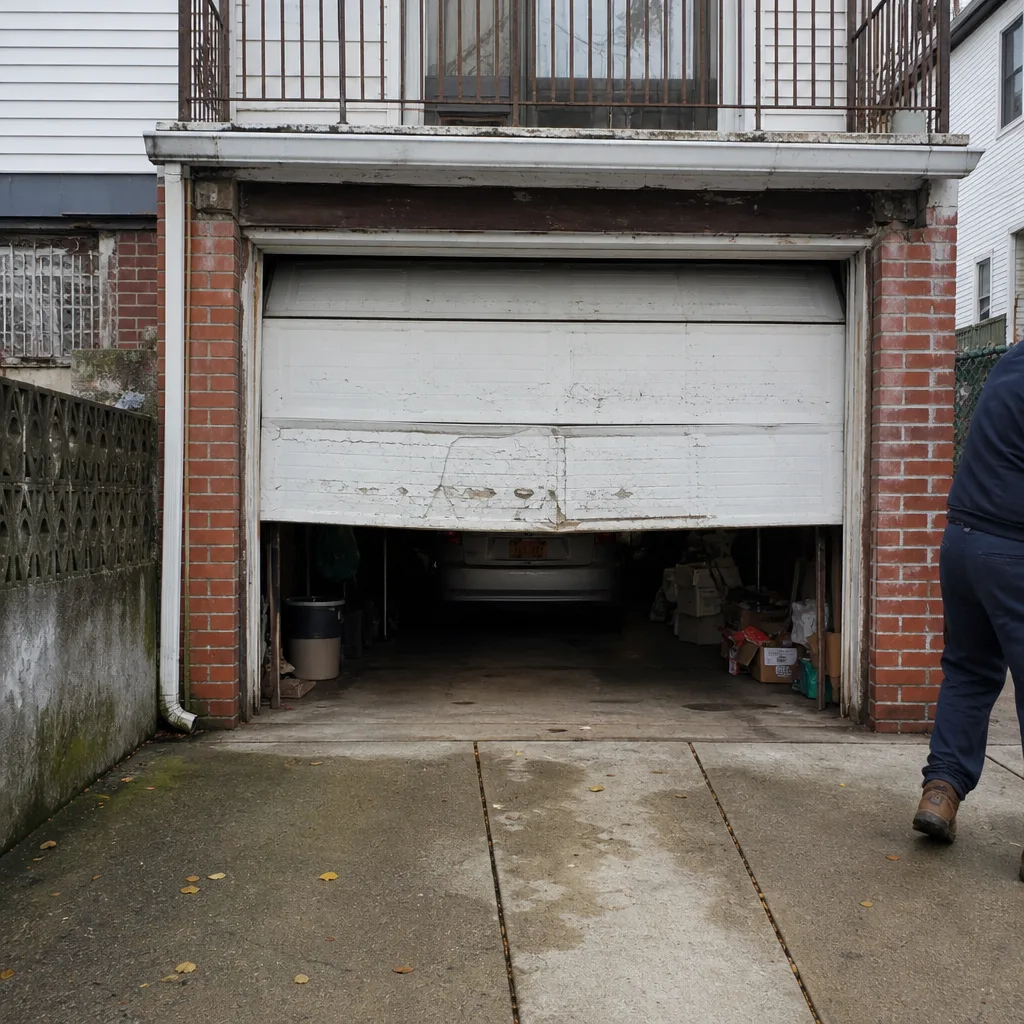 Before
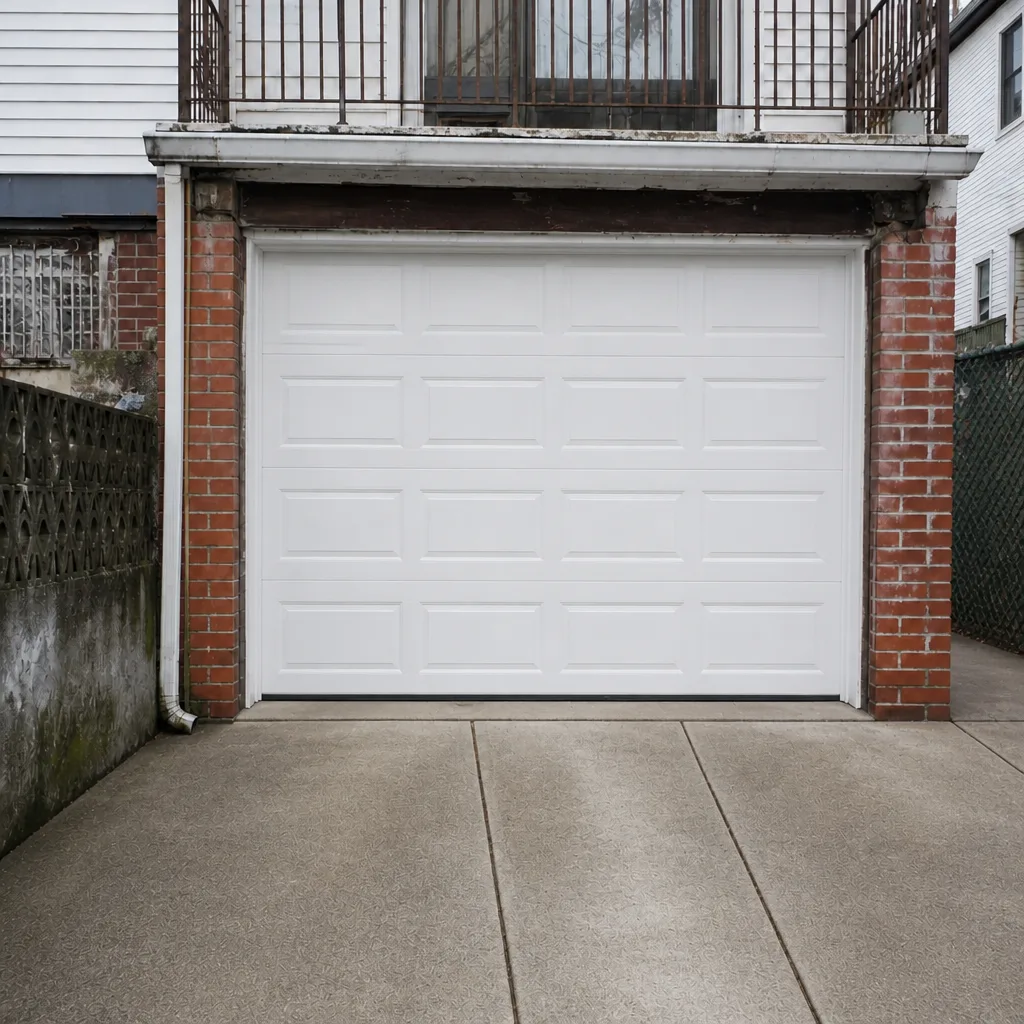 After
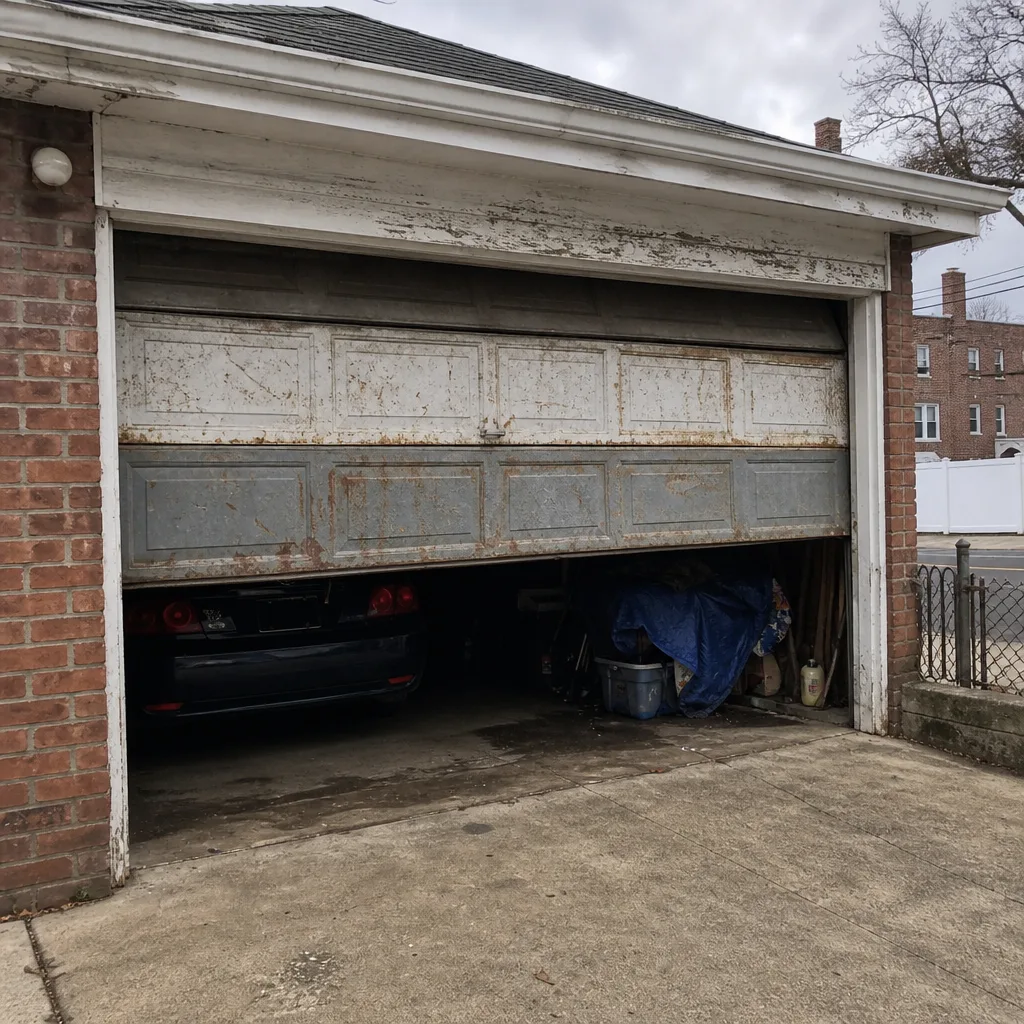 Before
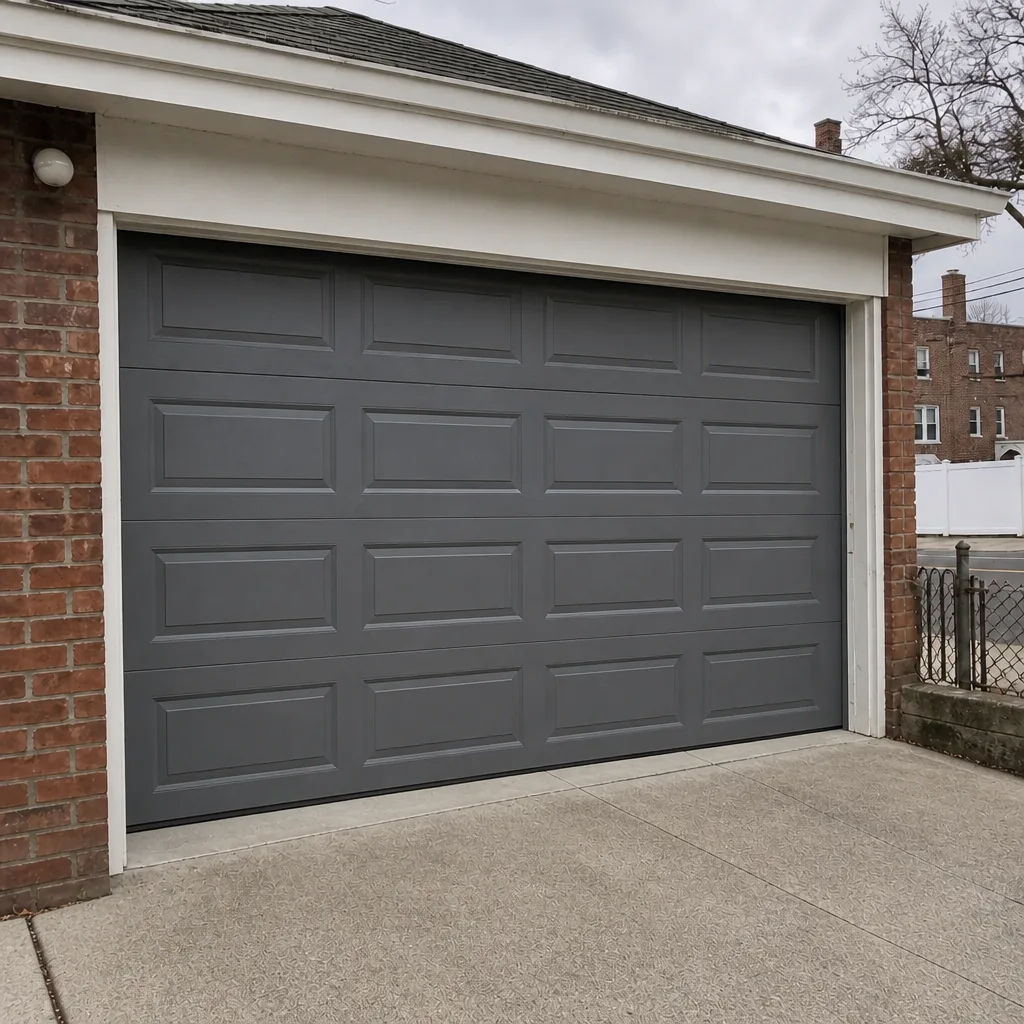 After
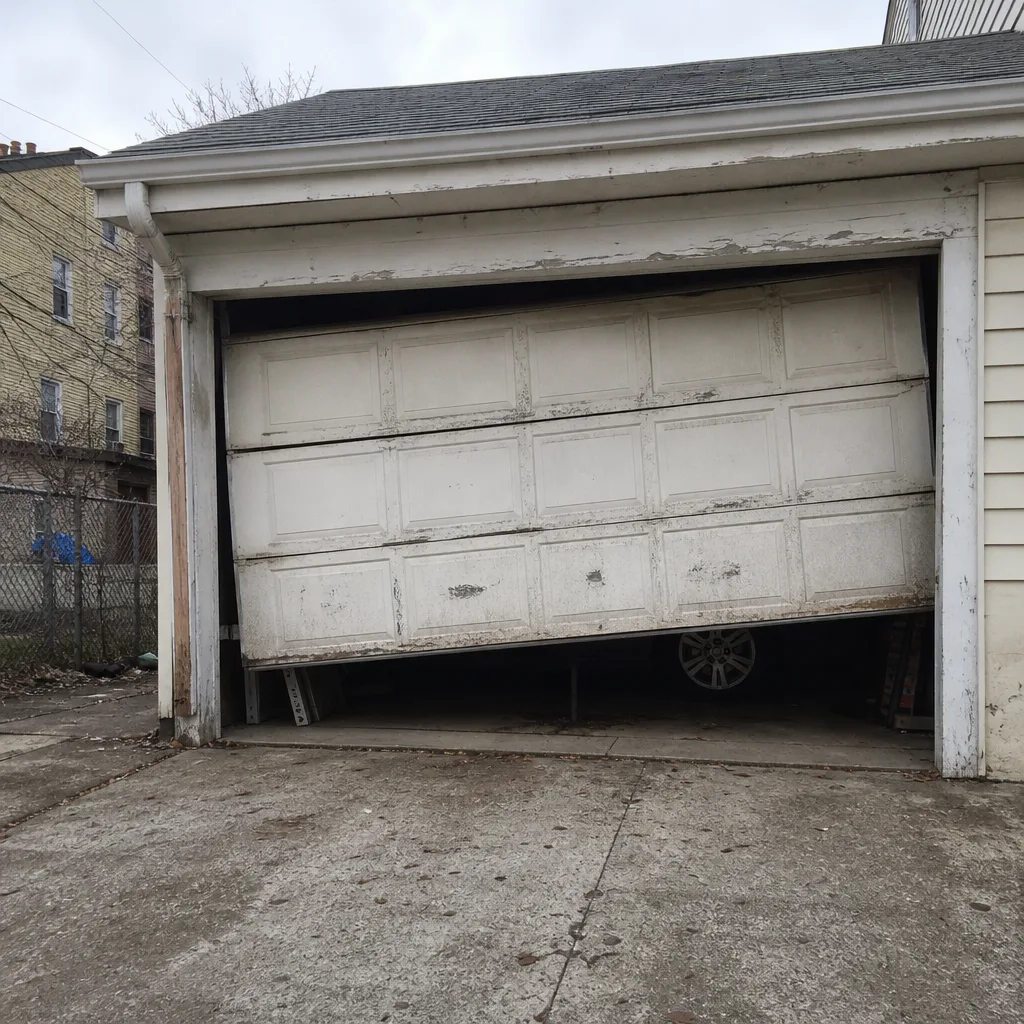 Before
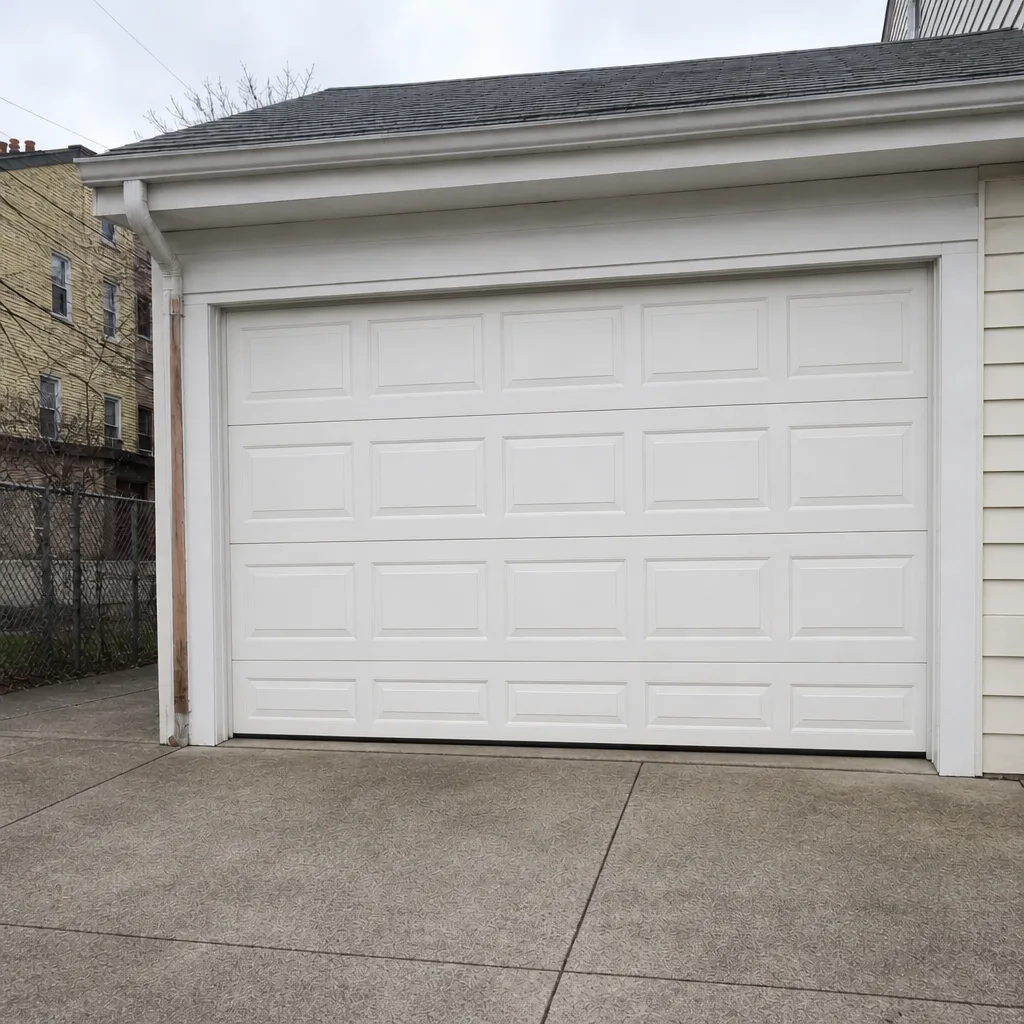 After
When to Call a Professional
Call for a professional when a spring has broken, when a cable is off its drum, when the door is hanging off its track, when the opener has failed and the door needs a repair, or when the safety reverse isn’t working. Those are the situations where a homeowner’s attempt to fix it can turn a repair into a replacement. Call for a professional, too, when the door is stuck open overnight and you need it secured physically – a technician can help you do that safely. And call for a professional if you’re planning a new door or a major opener change; the sizing, the spring balance, and the track alignment have to be done right from the start.
For anything else – a noisy door, a slow opener, a remote that ignores you – a call is still worth it. The estimate is free and it gives you a real picture. Garage Door Repair East Harlem works on LiftMaster, Chamberlain, Genie, Craftsman, Raynor, Clopay, Amarr, and Wayne Dalton doors and openers, and covers repair, opener work, spring replacement, and full installation. A written estimate sets the price before any work begins.
Frequently Asked Questions
A garage door emergency in East Harlem is a broken torsion spring, a cable off the drum, a door hanging off its track, or a door that won’t close and leaves the property open. A dead opener or a stuck-closed door is an inconvenience, not an emergency, if the door itself is intact. Call (866) 401-4528 if you’re unsure – we’ll tell you honestly whether it can wait.
Yes, if the door itself is intact and not on a broken spring. Find the red emergency release cord hanging from the opener rail, pull it down and toward the door, and lift the door gently by the bottom edge. Re-engage by pulling the cord again or by hand-cycling the opener. Never release the door with it half open, and never touch the springs or cables.
Secure it physically: lower it by hand if you can, clamp the track under each bottom roller, use the manual lock, and park against the inside of the door. Then call for service. A door left open in East Harlem is a security exposure, and the physical fix is temporary. We answer 24/7 and will get a technician out with fast dispatch from 7am to 7pm, Sunday through Friday.
The cost is set per job by the written estimate. The failure type, the brand (LiftMaster, Chamberlain, Genie, Craftsman, Raynor, Clopay, Amarr, and Wayne Dalton all price differently), and the access to the door all affect it. We give a free estimate, and the written quote is the price. Call (866) 401-4528 to get an exact figure.
Yes, or someone with access and authority to approve the work needs to be there. The technician also needs to know which door of the building, where to park, and how to get into the garage. Have access instructions ready before the appointment and the repair goes faster.
A technician can secure a dangerous door quickly, but the full repair is usually scheduled. The estimate is free either way, and the price is set by the written quote. We answer 24/7; a call outside dispatch hours is booked into the next opening, Sunday through Friday, 7am to 7pm.
The Bottom Line
A garage door emergency in East Harlem comes down to preparation. Know where your emergency release cord is, confirm whether your opener has battery backup, save a service number in your phone, and learn the two failures that must stop you cold – a broken spring and a cable off the drum. Everything else can be managed calmly. If the door is stuck open, secure it physically and call. If it’s stuck closed and intact, it can wait. The price is quoted and agreed before any work starts, and the estimate is free. You can find more detail on our garage door installation and garage door opener repair pages, or just call and describe the symptom.
Call (866) 401-4528 for a free estimate. We answer 24/7, with fast dispatch from 7am to 7pm, Sunday through Friday. The technician arrives with the brand knowledge and the right part, and the written quote you approve is the price you pay.
Written by the team at Garage Door Repair East Harlem.