
Last updated November 21, 2026
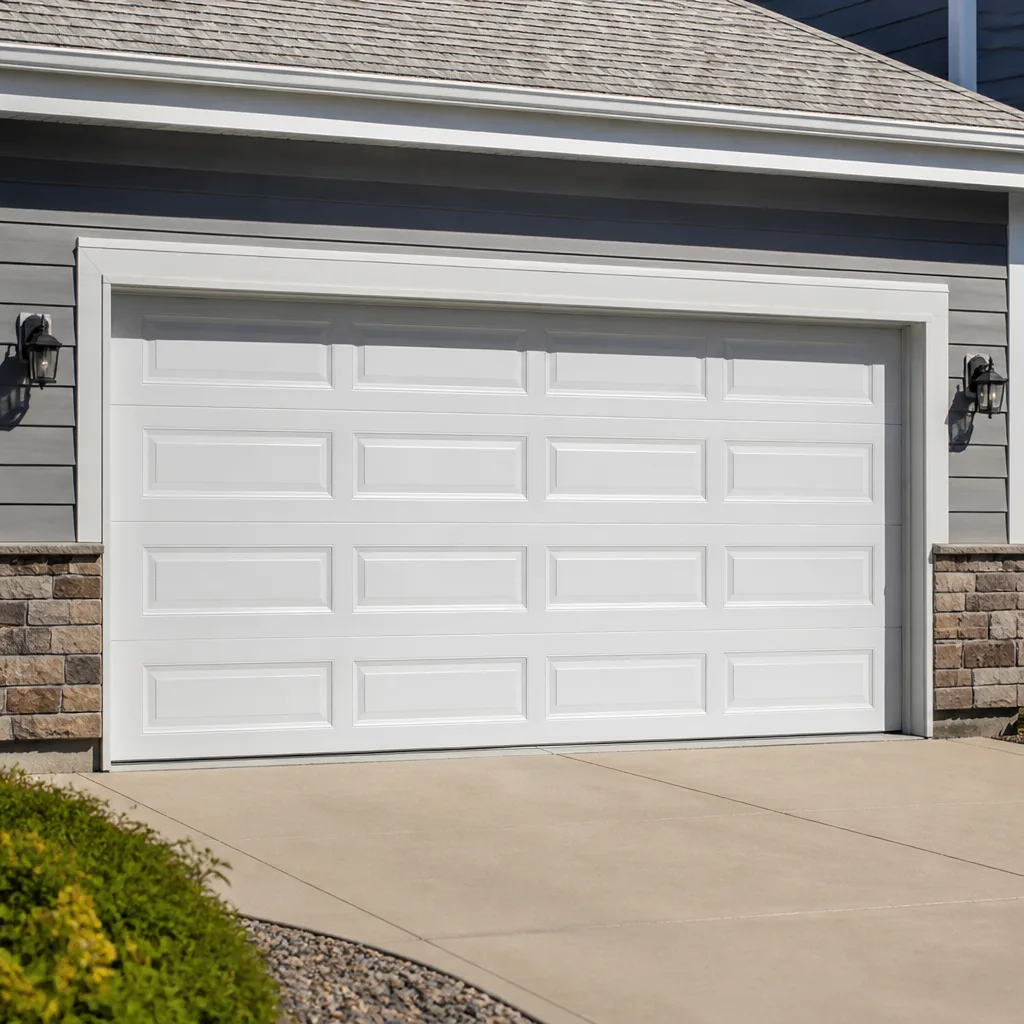 Raised-panel steel
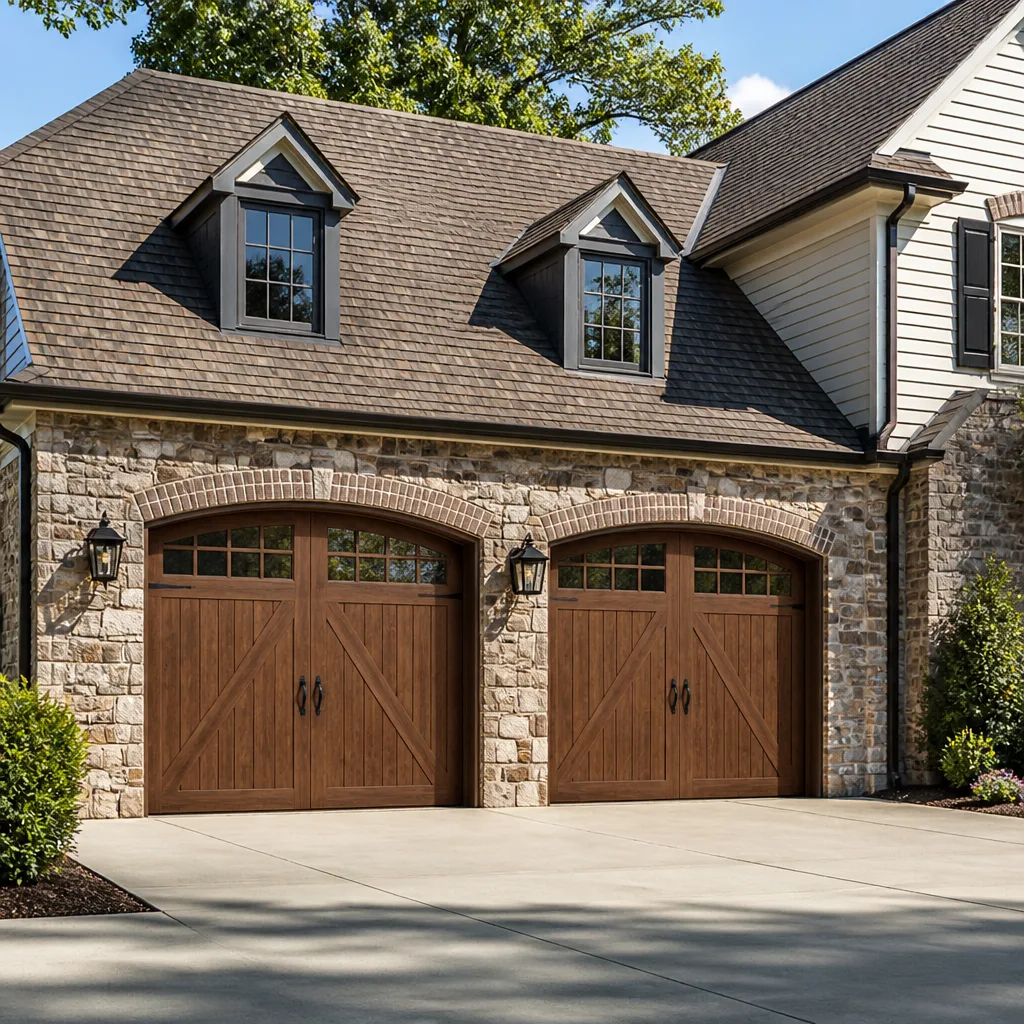 Carriage house
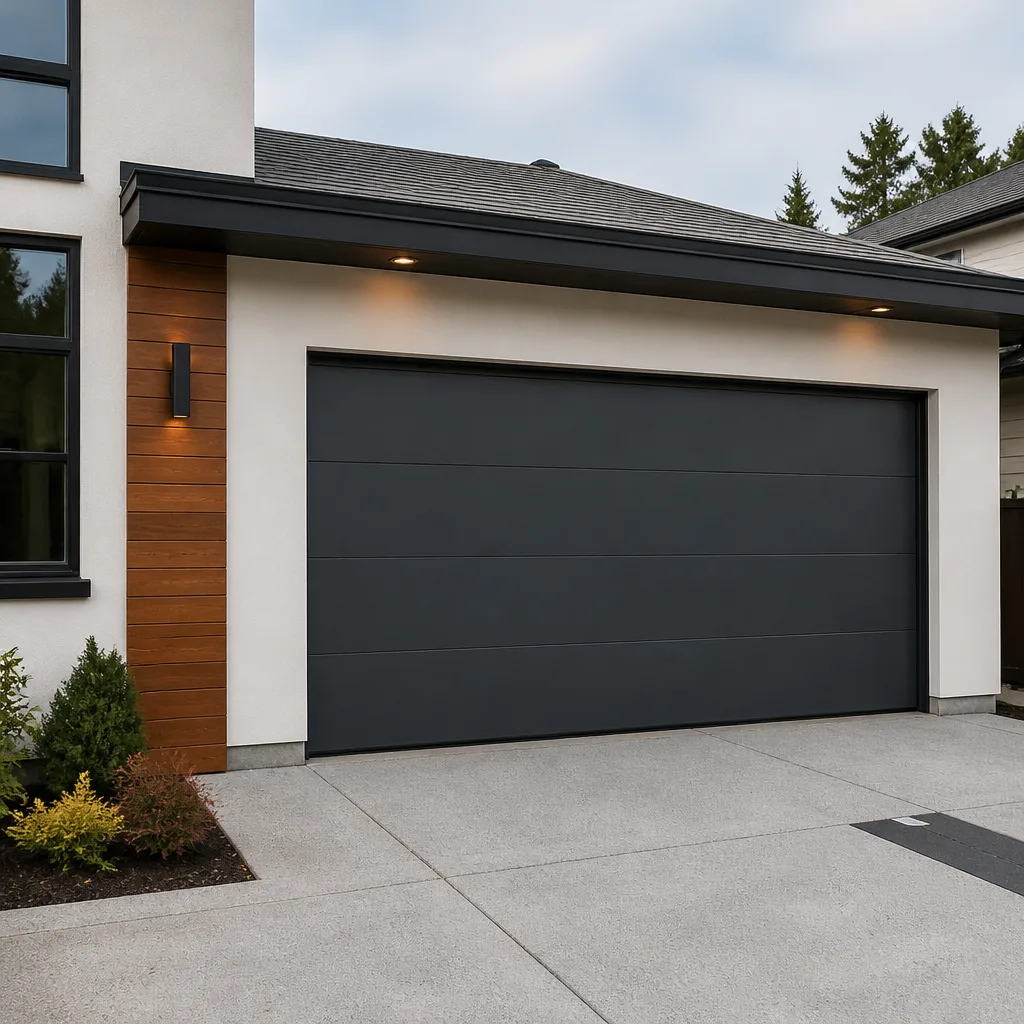 Modern flush
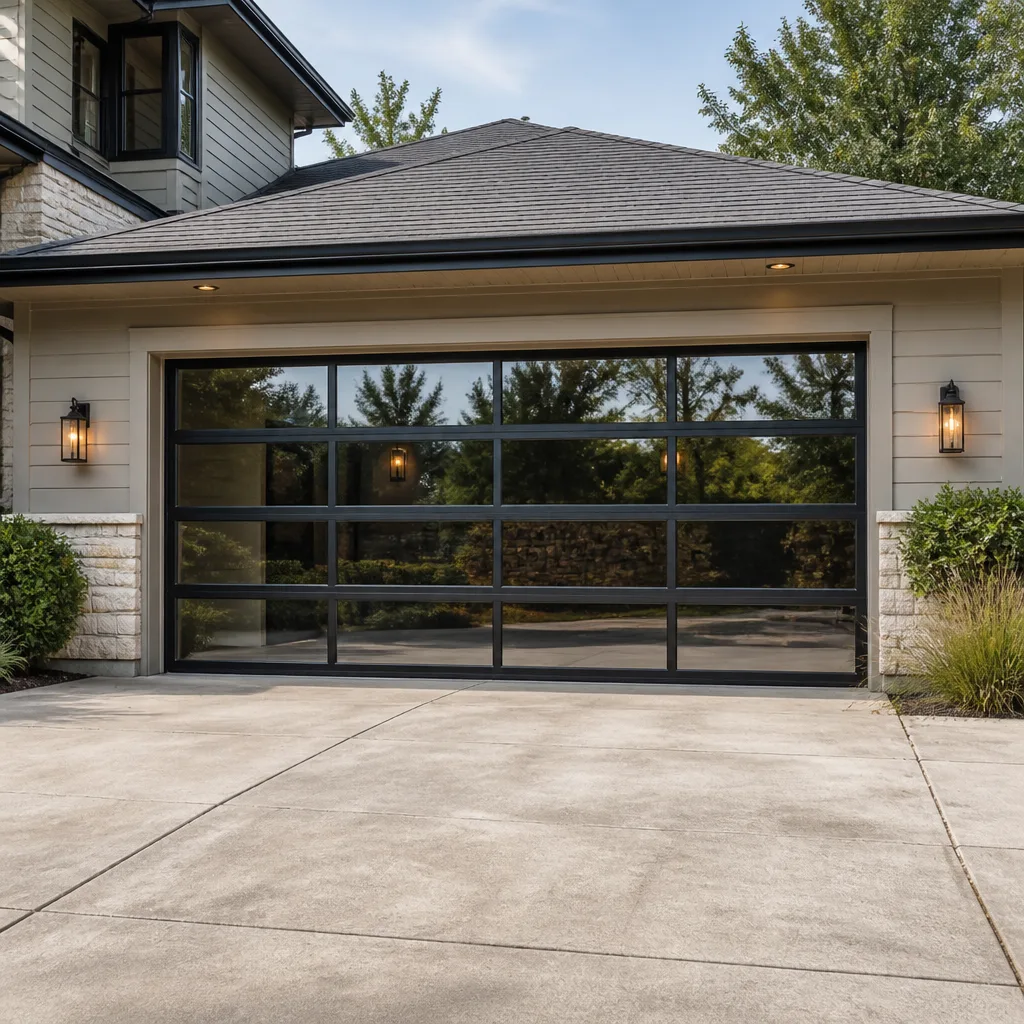 Full-view glass
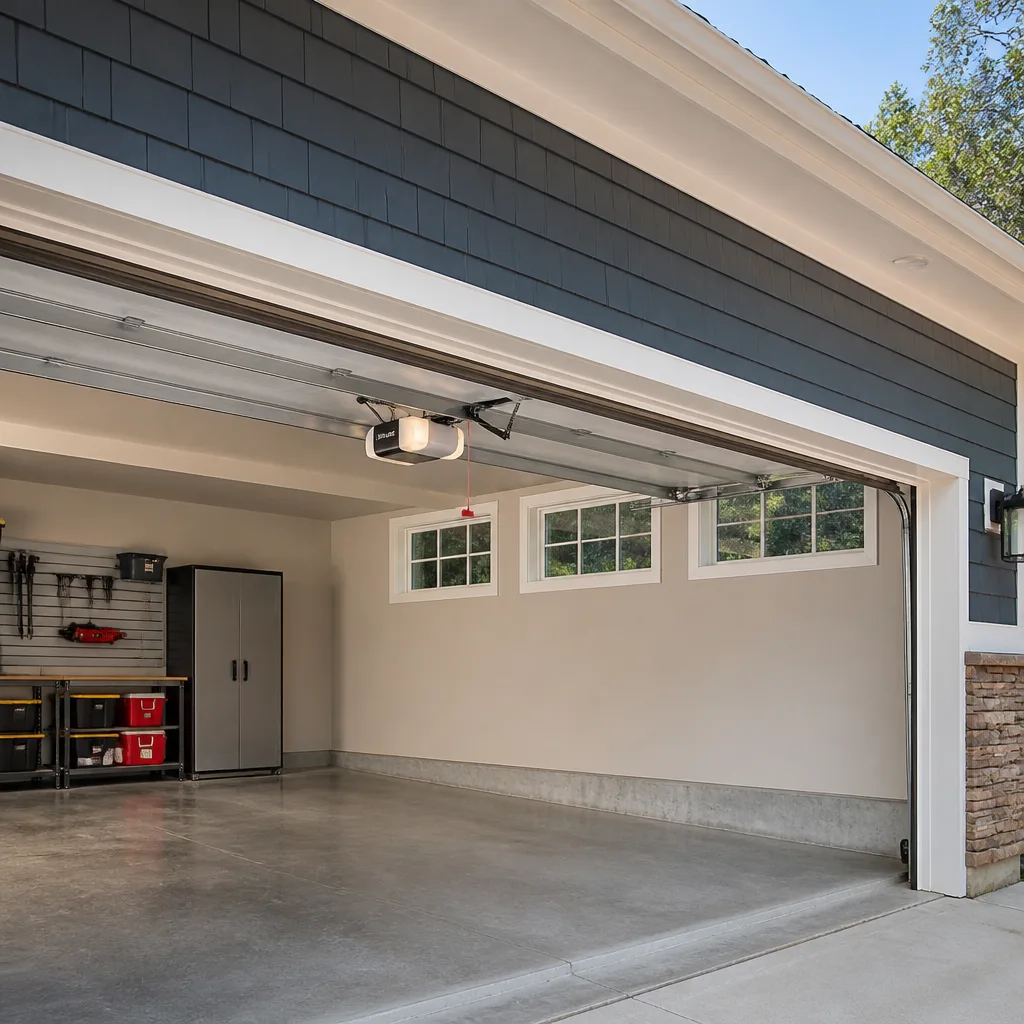 LiftMaster openers
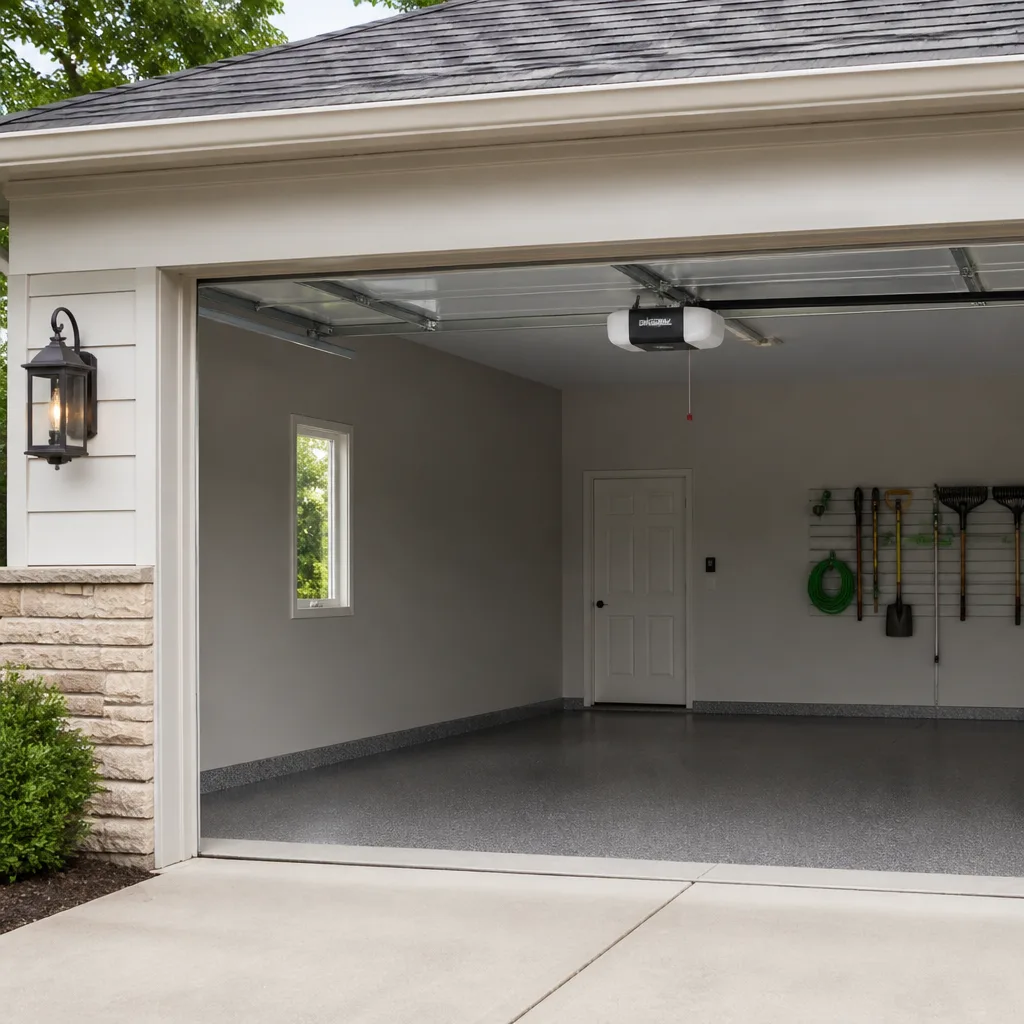 Chamberlain openers
Full 25-point door and opener safety check with every visit - springs, cables, rollers, tracks, and your LiftMaster or Chamberlain opener included
You get a price before we start. It does not change when the pro arrives.
Get your free estimateDIY vs Professional Garage Door: The East Harlem Homeowner’s Decision Guide
A torsion spring under full tension stores enough energy to break a wrist or take out an eye. That’s not a liability disclaimer at the end of a service page. It’s a physics fact, and it’s what makes spring work categorically different from every other garage door task a handy homeowner might reasonably consider. Most DIY-versus-pro arguments get this wrong. They frame the question as a skill ladder (“are you good enough to handle it?”), when the real question is which specific tasks carry injury risk you can’t take back and which ones you can absolutely handle on a Sunday afternoon with basic tools. This guide draws that line by task type, not by general competence, so you don’t pay a technician for a five-minute job or hurt yourself on one that looks deceptively simple. We’ll also cover what East Harlem’s older garages do to complicate “standard” tutorials, and how to be a genuinely useful collaborator when you do hire out.
Quick Answer
Some garage door tasks are appropriate DIY jobs for careful homeowners: weatherstripping, lubrication, photo-eye sensor alignment, and remote reprogramming. Others are not, at any skill level: torsion spring adjustment or replacement, cable winding, and structural header work. The dividing line isn’t experience. It’s whether a failure under load can injure you before you can react. In East Harlem, non-standard track configurations and mixed-generation hardware in older buildings make “copy this from a video” tutorials unreliable, which pushes a few more tasks onto the professional side than a suburban homeowner would face.
Styles & brands we work with
- Raised-panel steel
- Carriage house
- Modern flush
- Full-view glass
- LiftMaster openers
- Chamberlain openers
Table of Contents
- Where the Line Actually Is: Task-by-Task
- The Hard No-DIY List, With Specific Reasons
- Why “I Watched a YouTube Video” Doesn’t Change the Math
- Legitimate DIY Tasks You Can Do Safely
- The Cost of Getting It Wrong
- The East Harlem Constraint: Older Garages, Mixed Hardware
- How to Be a Useful Collaborator When You Hire
- When to Call a Professional
Where the Line Actually Is: Task-by-Task
The useful way to sort garage door work is by energy, not by difficulty. A garage door is one of the heaviest moving assemblies in a residential building, and its springs exist to counterbalance that weight so a person can lift it easily. When a spring is wound, it’s storing force constantly. Any task that requires you to work on or near a wound spring, or to touch the cables that transmit that spring’s force, belongs in a different category from a task that doesn’t. That’s the whole framework.
Run each task through three questions before you touch it:
- Does it involve a wound spring, a cable under tension, or the drums and winding cones that hold them? If yes, stop. That’s professional territory.
- Does it require moving the door against gravity with the opener disconnected? Also stop, because you’re now the counterbalance.
- Is the failure mode gradual or instant? A squeaky roller gives warning. A slipping winding bar doesn’t.
Weatherstripping passes all three. So does a can of lubricant. So does nudging a photo-eye sensor a half inch. So does reprogramming a remote on a LiftMaster or Chamberlain unit you already own. None of those tasks put stored energy in your hands.
Everything else needs judgment before you start, and some of it needs a technician. That’s not a knock on your ability. In our experience in East Harlem, the homeowner who calls us for a spring job and handles the weatherstripping themselves is getting exactly the right value out of both choices. For the tasks that clearly belong to a technician, the fastest path is the Garage Door Repair East Harlem team – one call covers springs, cables, off-track doors, and opener failures.
One more sorting rule that catches people off-guard: if you don’t know whether the door uses torsion springs (mounted on a horizontal bar above the door) or extension springs (stretched along the side track), don’t guess. That single fact changes everything about which repair applies and how risky it is. It’s also the first thing to write down before you call anyone, and we’ll come back to that in the collaborator section.
The Hard No-DIY List, With Specific Reasons
Three task types should never happen in a homeowner’s hands, and the reasons are specific, not cautious boilerplate.
Torsion spring adjustment or replacement. A torsion spring must be wound to a precise number of turns for the door’s actual weight. Overwind it and the door won’t balance; underwind it and the opener works overtime until it strips gears. The winding itself is done with steel rods inserted into the winding cone while the spring is under tension. If a bar slips out of the cone, it doesn’t fall – it flies. That’s the mechanism, and it’s why trained technicians treat every spring job with the same caution regardless of how many they’ve done. No homeowner gets a second chance at that moment.
Cable winding. The cables are what actually carry the spring’s force to the door. They run under a tension that’s measured in hundreds of pounds, and they’re what keeps the door from dropping. A cable that’s improperly wound, kinked, or seated off its drum can snap, and when one snaps the door can come down on one side while the other holds. Working on the drums, restringing a cable, or trying to “reseat” a slipped cable is not a repair task. It’s a controlled release of stored energy, and it’s done with specific techniques and specific tools.
Structural header work. The header is the framing above the opening that carries the door’s weight and the torsion bar’s load. If it’s rotted, cracked, or sagging, the springs are pulling against a weak anchor, and the door’s track is going out of square slowly. This is carpentry and structural repair, not garage door adjustment, and it needs someone qualified in the building’s framing – sometimes more than one trade. East Harlem’s older walk-ups and mixed-use buildings often have original wood framing that’s been through a century of settling, so what looks like a loose bracket is sometimes a header that’s no longer doing its job.
There’s a fourth item that doesn’t get enough attention: anything requiring you to disconnect the opener and lift the door by hand to test balance. With a broken spring, the door’s full weight is on you, and a garage door weighs far more than it looks. A person who isn’t expecting that weight, on a ladder, in an East Harlem alley or a tight backyard, has a bad outcome baked into the attempt. It’s a two-person job at minimum, and only when you know the spring is intact.
The safest rule: if you can’t explain exactly how the energy in the assembly is going to be released before your hand goes anywhere near it, the task is professional. For the full scope of what we handle, from springs and cables to off-track doors, the garage door repair service covers it.
Why “I Watched a YouTube Video” Doesn’t Change the Math
Watching a spring replacement is genuinely useful. It teaches you the words for parts, it helps you describe a symptom accurately, and it makes you a better judge of whether a quote makes sense. What it doesn’t change is the physics of the moment when a winding bar slips. And the difference between watching and doing is where the risk lives.
A few things happen on camera that don’t happen for you:
- An experienced technician knows how the spring feels through the bar. The tension in the tool tells them how many turns they’ve done and whether something is binding. You can’t learn that from a video because it’s a physical sensation, not a visual one.
- Quality tools matter, and the guide you watched was probably using the right ones – steel winding bars of the correct diameter that fit the cones exactly. A screwdriver, an Allen key, or a makeshift bar is the single most common way a spring job turns into an emergency.
- Edits hide the failures. A video shows a clean 20-minute replacement. It doesn’t show the corroded bracket that comes apart or the door that drops a few inches and startles the technician. Those are exactly the situations a first-timer faces unprepared.
There’s also a straightforward cost argument. On a torsion spring job, the difference between a technician’s written estimate and the price of a spring kit plus the risk is small. The upside of doing it yourself is razor-thin; the downside includes injury and a door that’s now a hazard. That’s not a good trade at any skill level.
Here’s a fair test you can run before any garage door task: write down what happens if the part you’re touching fails completely, in the worst way, at the moment you’re physically closest to it. If the answer includes “I get hit” or “the door comes down hard,” hand it to a professional. If the answer is “I hear a clunk and I’ll take the components off and try again,” it’s yours.
Legitimate DIY Tasks You Can Do Safely
Four maintenance tasks are appropriate for a careful homeowner with basic tools. Do them with the door closed and the opener unplugged, and none of them involve a wound spring or a cable under tension.
- Weatherstripping replacement. The rubber flap along the bottom of the door and the seals around the sides and top wear out and cause drafts, water intrusion, and sometimes a gap the photo-eye passes through. Pull the old strip out of its retainer, clean the channel, and fit the new one. This is a five-minute job on a modern door and slightly longer on older ones.
- Lubrication. A garage door has rollers, hinges, and a track that need periodic lubrication to run quietly. Use a garage door lubricant, not a general-purpose spray, and don’t oil the track itself. Wipe anything that’s dripping.
- Photo-eye sensor alignment. If the door reverses immediately or refuses to close, a misaligned safety sensor is one of the first things to check. The two sensors – one on each side of the opening, a few inches off the ground – need to be pointing at each other and clean. A slight nudge or a wiped lens fixes most cases.
- Remote and keypad programming. Garage door opener brands like LiftMaster and Chamberlain change their pairing procedures occasionally, but the manual or the brand’s online guide will walk you through it. Reprogramming a remote or a keypad isn’t a repair – it’s a settings change, and it’s safe.
One task worth mentioning that homeowners often assume is DIY: replacing the opener battery in a keypad, or the backup battery in a battery-backed opener. Both are fine. On the other hand, replacing a whole opener, rewiring a garage outlet, or moving a sensor’s wiring is electrical work. In East Harlem’s older buildings, where wiring often predates current standards, that’s the kind of thing to hand to a qualified person. We handle the electronics side of garage door opener repair, from legacy units to Wi-Fi-enabled models from LiftMaster, Chamberlain, Genie, and Craftsman.
If you’re not sure whether a task belongs in the DIY column or the professional column, it’s usually a quick call to sort out. Calling (866) 401-4528 gets you a straight answer. We answer 24/7. Fast dispatch from 7am to 7pm, Sunday through Friday.
The Cost of Getting It Wrong
A botched DIY spring job or a misaligned cable costs more than the original service call would have, and the amount of extra damage depends on how far things went wrong before the door came off the tracks or the cable snapped. There’s no number we can give you in advance, because it depends entirely on the state of the door when a technician arrives. But we can walk you through the pattern.
Three things typically compound after a failed DIY attempt:
- The failed parts get replaced twice. A DIY spring replacement that goes wrong on the second spring leaves you buying the parts and the labor you were trying to save.
- Secondary damage from an unbalanced door. An out-of-balance door puts uneven load on the tracks, the rollers, and the opener’s gears. A door that ran fine before can need significant repair after a few weeks of running crooked.
- Avoidable risk. The worst cost isn’t financial. A spring or cable failure at the wrong moment injures people, and no saved service call is worth that.
Here’s the comparison that actually matters. The estimate is free, and the price is set per job and quoted in writing before any work starts. So the realized cost of using a professional is a number you see before you commit. The realized cost of a failed DIY attempt isn’t knowable in advance, which is why it’s a bad trade even when it feels like a cheap one. The written estimate is the price. That’s the whole point of it.
The same logic applies to garage door installation. If you’re planning a new door, get the measure and the written price first. Nobody should be ordering panels and tracks based on a YouTube measurement of a non-standard East Harlem opening. Installation is measured and scheduled work, not a same-day fix, so start with a free measure and take the time to get it right.
The East Harlem Constraint: Older Garages, Mixed Hardware
East Harlem gives a homeowner an extra set of constraints that a suburban garage owner doesn’t face, and generic tutorials rarely account for them. The neighborhood’s older housing stock – walk-ups, mixed-use buildings, and rear alley garages that have been modified across multiple decades – means many garage doors here are running on a mix of hardware generations. A bracket from one era sits next to a track from another, and the roller design may not match what a current video shows.
Two things in particular make “standard” tutorials misleading here:
- Non-standard track configurations. Older garages sometimes have low-headroom setups, tighter side clearances, or track layouts that don’t match the measurements assumed in a typical guide. A track bracket that mounts one way on a standard residential door may mount entirely differently on a door in an East Harlem walk-up basement or rear yard.
- Mixed hardware generations. A door may be running on older extension springs with newer rollers, or a legacy opener paired with updated safety sensors. The parts aren’t wrong, they’re just from different generations, and each generation has different running tolerances. We’ve seen this pattern repeatedly in East Harlem, and it’s why treating every door as identical leads to guesswork.
Weather matters here too, but not in the way coastal advice usually frames it. New York’s freeze-thaw cycles and summer humidity work on steel tracks, brackets, and wood framing year after year, and a door that runs cleanly in July may bind in February when a track expands. In winter, lubricants stiffen and older rollers sometimes stop rolling and start sliding. That’s a seasonal pattern worth knowing, not a reason to panic. Adjust the door’s balance expectations seasonally and mention it if you call a technician.
What this means for the DIY question: a few tasks that would be simple on a modern door are more complicated here. A photo-eye sensor might be mounted on a concrete pour that’s drifted over time. A weatherstripping replacement on a door that’s slightly out of square is fiddlier than the video shows. And the identification step at the start is critical – know your spring type and track layout before you buy parts. Our Garage Door Repair East Harlem team works on the older setups regularly, and the garage door repair service call is the right move when a door’s configuration is genuinely non-standard.
How to Be a Useful Collaborator When You Hire
You can lower the billable time on any garage door visit by doing the diagnostic work first. The more precisely you can describe the door’s configuration and the symptom, the faster a technician can rule out the wrong causes and the fewer ladder trips they need. It’s one of the few ways a homeowner can genuinely reduce the cost of professional service without touching the door.
Here’s what to document before you call:
- The spring type and location. Torsion springs run horizontally above the door on a bar; extension springs run along the side tracks. Write it down. If you don’t know, photograph it.
- The symptom, in plain language. “The door opens a few inches then reverses” is useful. “It’s broken” isn’t. Note whether it’s noisy, slow, crooked, or refusing to move.
- The door’s age, if you know it, and its make and model. Look for a label on the inside of the door panel. Clopay, Amarr, Wayne Dalton, and Raynor each have their own model-specific parts, and knowing the make lets a technician match the right component instead of substituting a workaround.
- The opener’s brand, model, and behavior. “It’s a LiftMaster and the wall button works but the remote doesn’t” tells a technician where to start.
- Any damage you can see, and any recent changes. A new roller, a bump against the door, or a power flicker – those matter.
Photos are worth more than a description. One shot of the inside of the garage showing the full door, the spring and track, and the opener tells a technician more in five seconds than a five-minute phone conversation. Take it before you call.
One thing to leave alone: don’t try to “help” by loosening a bracket, adjusting a track, or disconnecting a spring before the technician arrives. Those changes can turn a clean repair into an emergency. The door can stay exactly as it is.
For a new door, the collaboration point is different. Get a free measure and a written price first, note down the size of the opening and the headroom, and let the installation team do the ordering. That’s where the garage door installation service begins, and it’s scheduled work for a reason.
See the difference
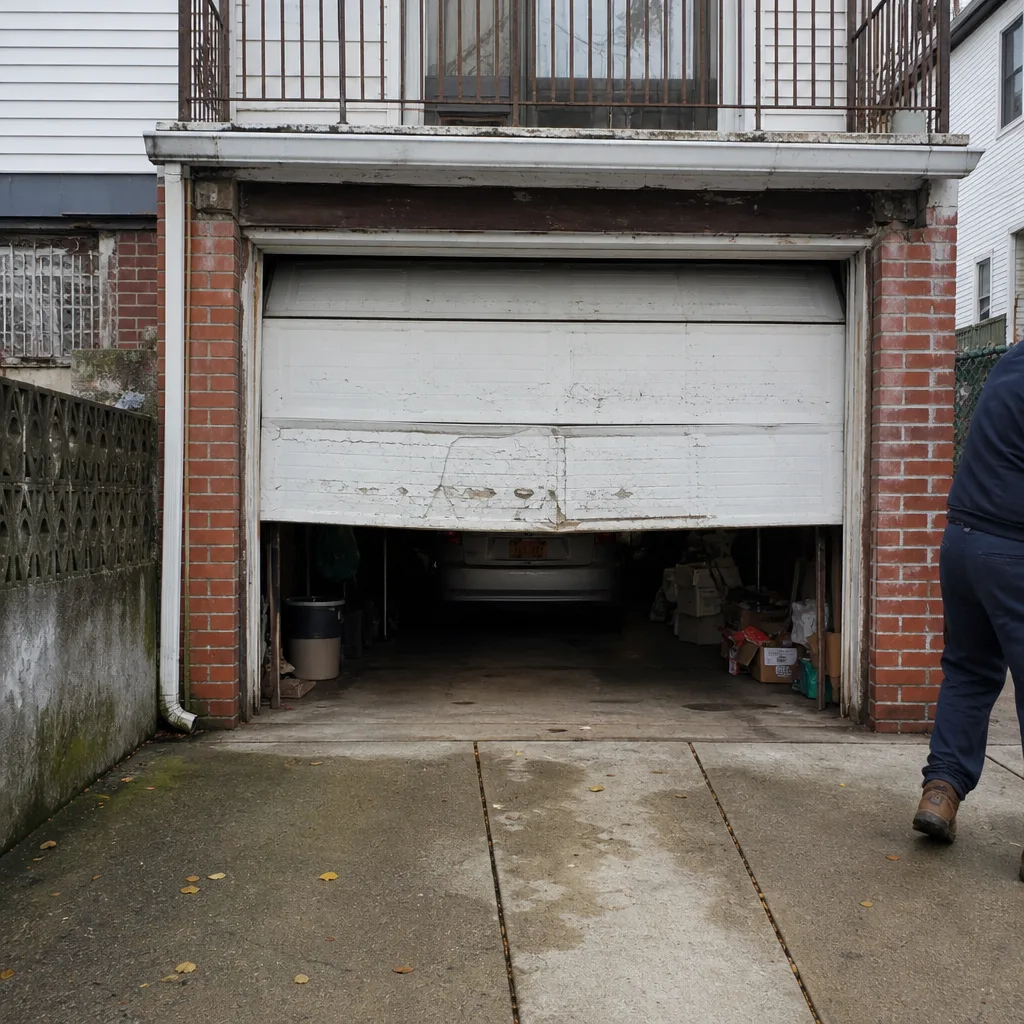 Before
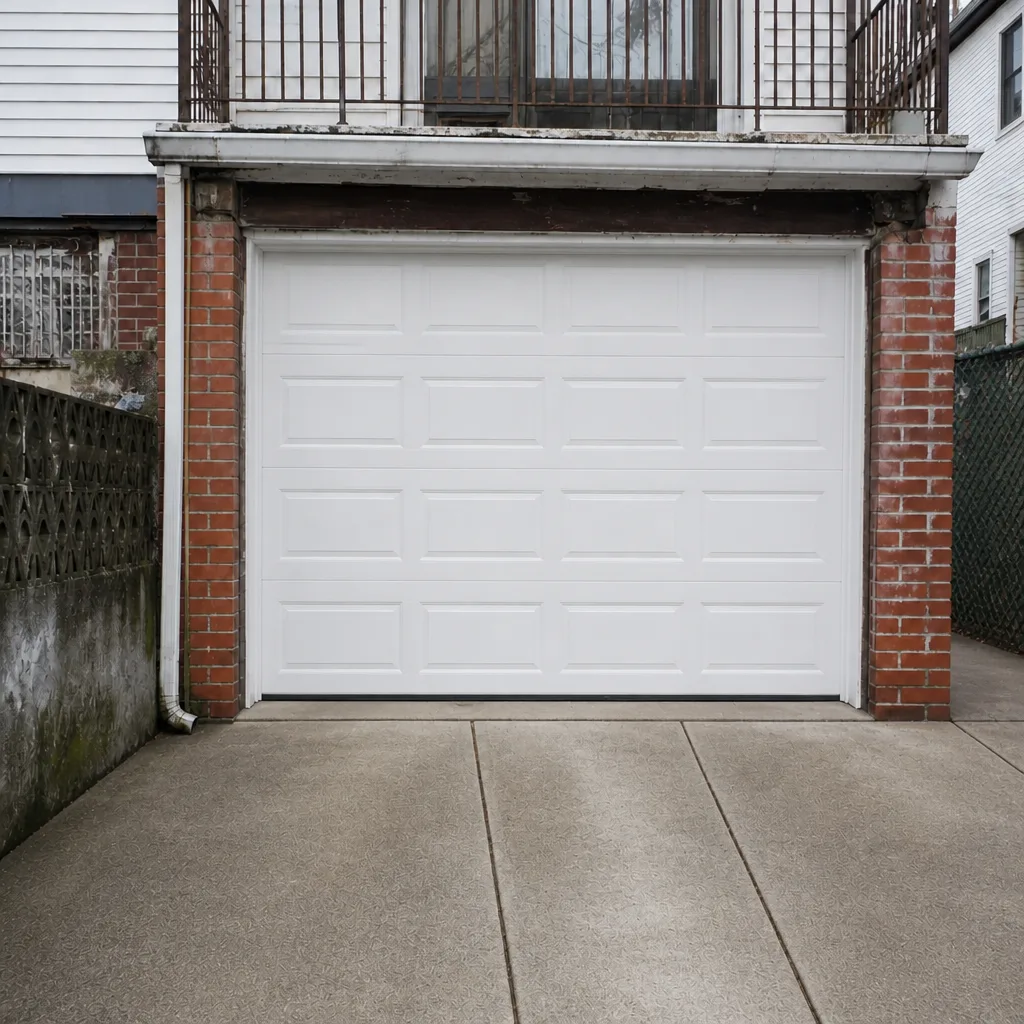 After
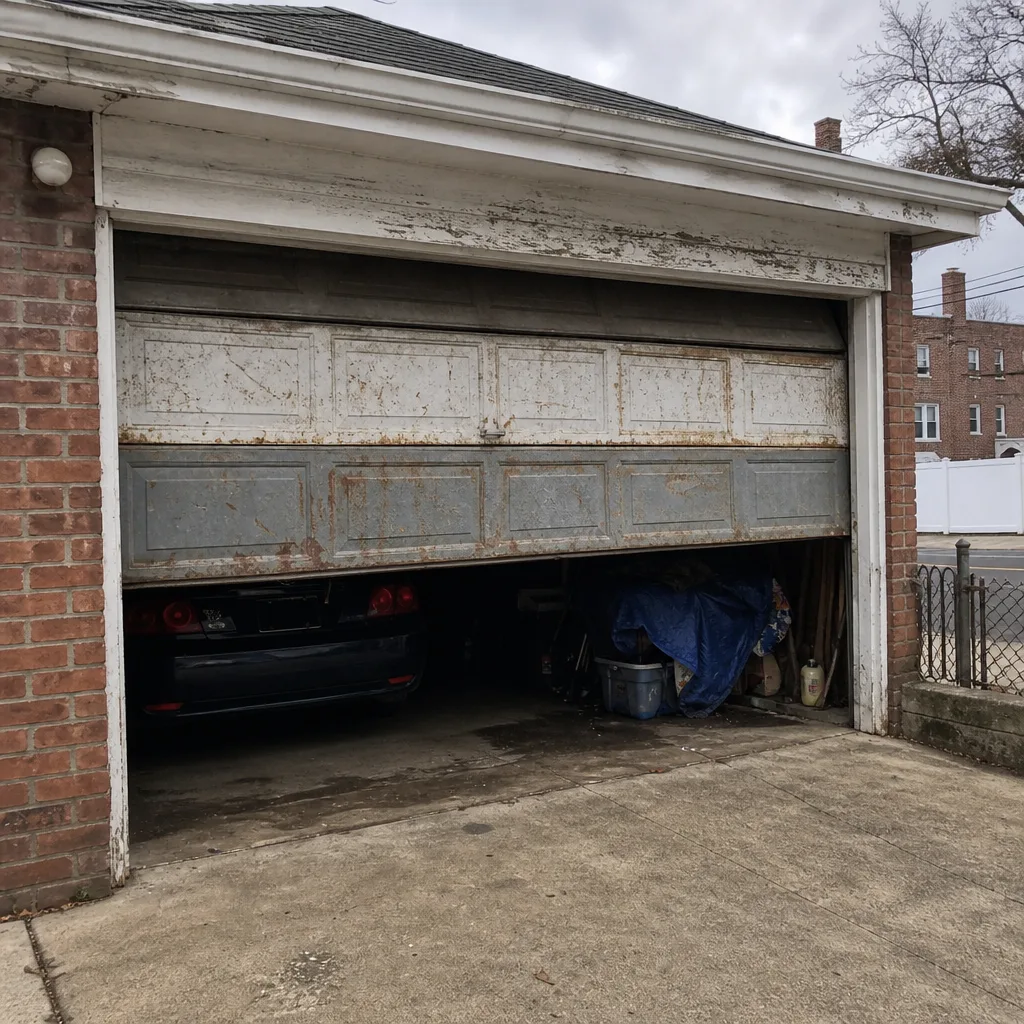 Before
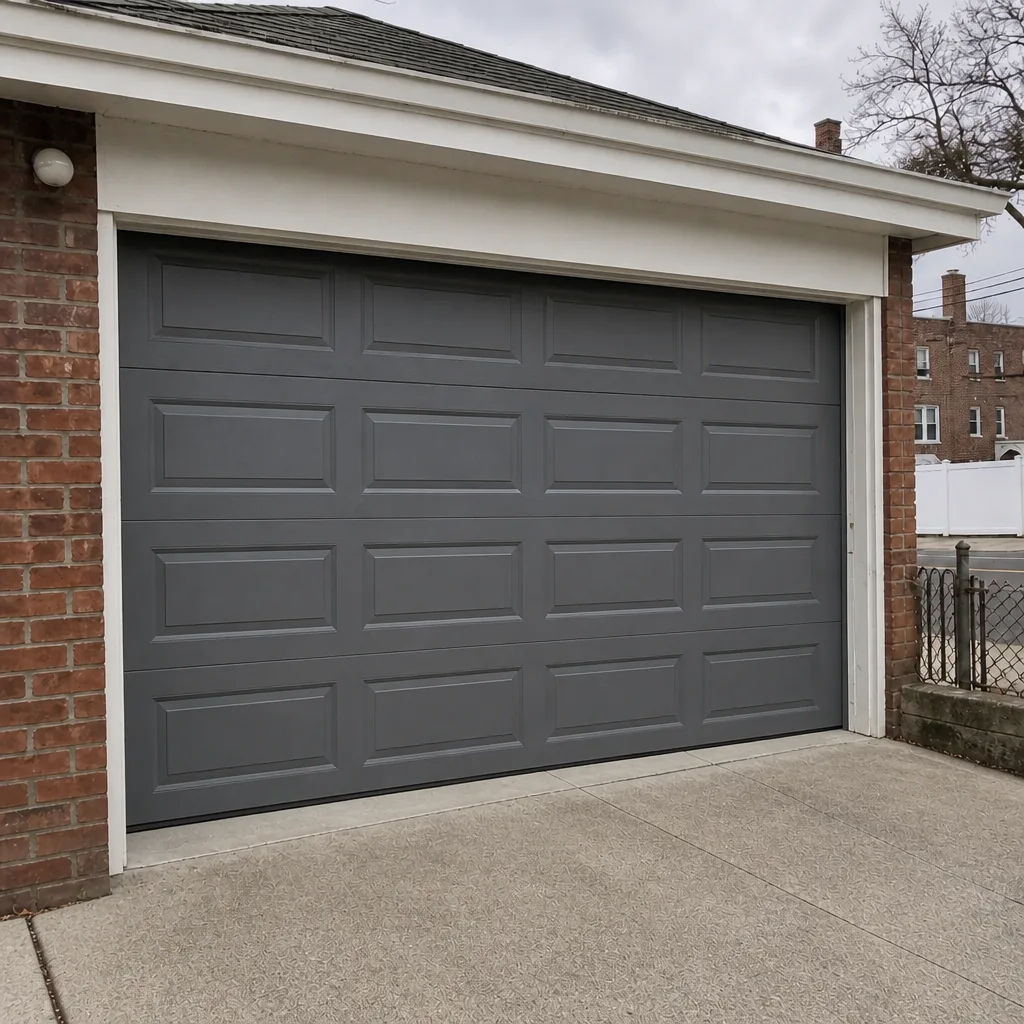 After
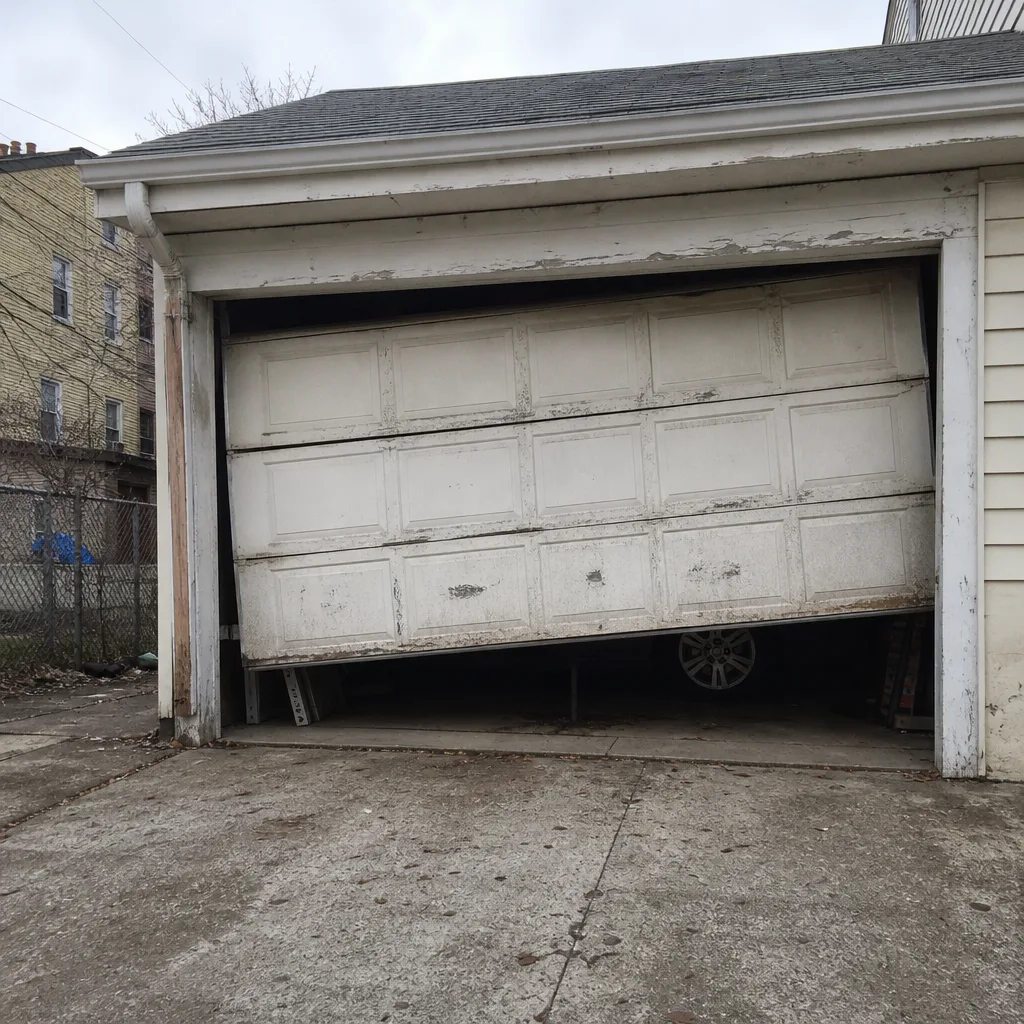 Before
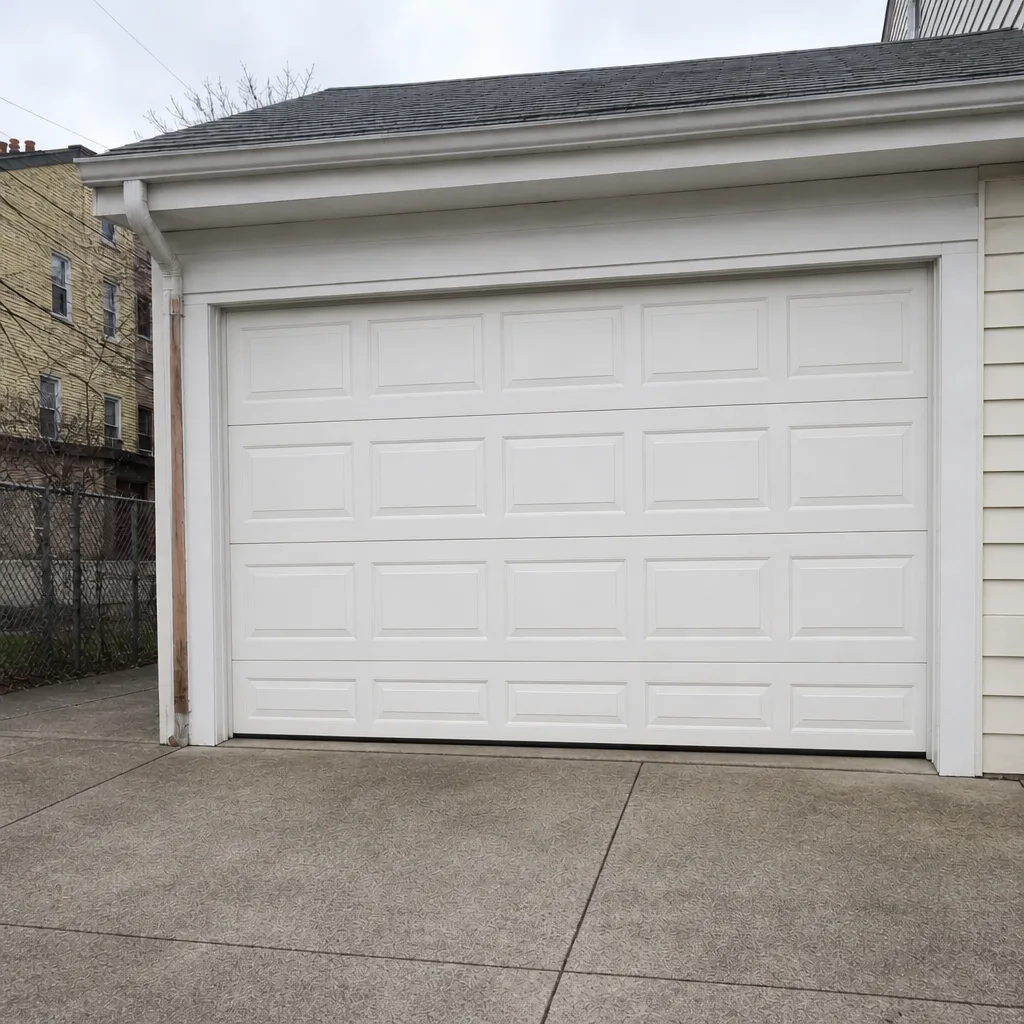 After
Common Mistakes to Avoid
- Using a screwdriver or Allen key as a winding bar. It’s the single most common way a spring job becomes an injury. Steel winding bars fit the cones exactly; makeshift tools don’t. If you’ve already seen a tutorial that uses a screwdriver, that tutorial is telling you something about its author’s judgment.
- Disconnecting the opener to test balance with a broken spring. The door is much heavier than it looks, and the weight goes directly to your hands and back. On a ladder, in a tight East Harlem alley or basement, that’s a bad position to be in. If you don’t know whether the spring is intact, treat it as broken.
- Buying a replacement spring by eye. Torsion springs come in specific wire gauges and lengths that must match the door’s weight. A spring that’s swapped “close enough” either won’t balance the door or will overload the opener. The right part matters more than the fastest part.
- Spraying the whole track with lubricant. The track is meant to run dry. Lubricant on the track attracts dust and grit, which is how rollers start binding. Lubricate the rollers, hinges, and springs, not the track surface.
- Assuming a generic video applies to an older East Harlem door. Mixed hardware generations and non-standard track layouts are the norm in older buildings here. A tutorial that assumes a modern door’s layout can lead you to adjust the wrong thing entirely.
- Letting a crooked-running door go after a DIY fix. If a door isn’t running evenly, the tracks and rollers are taking uneven load and the opener’s gears are working harder. That slow damage adds up. Get it checked before it turns into a bigger repair.
- Trying to fix the header yourself. Structural framing is not a garage door adjustment. Weak or rotted header framing needs someone qualified in the building’s structure, and it’s not a job to hand to anyone who’s read a garage door blog.
When to Call a Professional
Call a professional when any of these apply: you’ve found a snapped or sagging spring, a cable that’s come off its drum or looks kinked, a door hanging crooked or off its tracks, a door that reverses immediately, an opener that hums without moving the door, or any suspicion that the header framing is compromised. Those are all cases where the risk, not the difficulty, is the reason to call. Same-day service is available for these, because a door that won’t close or won’t open is a problem the building can’t live with. For older East Harlem doors with non-standard configurations, it’s also worth having a technician look at any task you can’t confidently identify, even if it seems minor.
Garage Door Repair East Harlem offers free estimates in East Harlem – call (866) 401-4528. We answer 24/7. Fast dispatch from 7am to 7pm, Sunday through Friday. Our technicians have up to 12 years of experience with the full range of residential systems, and we work on the brand you already have – LiftMaster, Chamberlain, Genie, Clopay, Amarr, Wayne Dalton, Craftsman, and Raynor.
Frequently Asked Questions
No. Torsion spring replacement and adjustment carry injury risk that no amount of preparation removes, because the spring stores enough force to injure you before you can react if a winding bar slips. Whether you’re replacing a spring or adjusting tension, that’s a job for a trained technician. A safe alternative is to call (866) 401-4528 and get a free estimate for the job instead.
Weatherstripping replacement, lubrication, photo-eye sensor alignment, and remote or keypad reprogramming are all appropriate DIY tasks for a careful homeowner. All of them can be done with the door closed and the opener unplugged. Anything involving a wound spring, a cable under tension, structural framing, or disconnecting the opener to lift the door is not a DIY job, no matter how many videos you’ve watched.
Because the spring is storing energy, not spending it. A torsion spring holds the door’s weight in reserve, wound to a specific tension for that door. When it fails, that stored force is released quickly and unpredictably, which is why failure during human contact is dangerous. Regular professional inspection catches wear before failure, but no homeowner can safely retension a spring that’s still loaded.
Look at the spring type and the track configuration. Torsion springs run horizontally above the door on a bar; extension springs run along the side tracks. Track layouts can be low-headroom or tight-clearance, and in older East Harlem buildings these are common. If the layout doesn’t match what you’ve seen in a typical tutorial, that’s the sign you’re dealing with a non-standard setup and should get it looked at before buying parts.
Same-day service is the goal for spring failures, cable failures, off-track doors, and opener outages. Call (866) 401-4528 and we’ll let you know the soonest opening. We answer 24/7. Fast dispatch from 7am to 7pm, Sunday through Friday. A call outside dispatch hours is booked into the next opening, Sunday through Friday, 7am to 7pm.
No. The price is set per job by the written estimate and quoted before any work starts. Emergency timing doesn’t change the estimate – it changes when we can get to you. Get the quote first, confirm it, and that’s the price. Call (866) 401-4528 for an exact quote – estimates are free.
Photograph the full interior of the garage in one wide shot, showing the door, the springs, the tracks, and the opener. Then add close-ups of the spring assembly, the door panel label (for Clopay, Amarr, Wayne Dalton, or Raynor), and the opener’s brand and model sticker. These photos let a technician identify the right part before the visit, which speeds the repair and can lower billable time.
No. A door that’s running crooked usually means a track, cable, or spring problem, and adjusting the wrong one makes it worse. Track adjustment looks simple, but the geometry has to be right for the door’s weight and the opener’s travel. Get it checked before the uneven load damages the rollers or the opener’s gears.
The Bottom Line
The DIY-versus-pro decision for a garage door isn’t about your skill level. It’s about which tasks store energy you can’t safely release and which ones don’t. Weatherstripping, lubrication, sensor alignment, and remote programming are yours. Springs, cables, and structural header work belong to a technician, and no tutorial changes that. In East Harlem, older garage configurations and mixed hardware generations mean the “standard” version of a task often isn’t standard here, so identify your door before you buy parts. When in doubt, get the free estimate first. The price is quoted and agreed before any work starts, so there’s no downside to asking. For any garage door issue, garage door repair is one call. For a new door, garage door installation starts with a free measure. For opener issues, garage door opener repair covers the brand you have, whether it’s a legacy unit or a modern LiftMaster or Chamberlain model.
Call (866) 401-4528 for a free estimate. We answer 24/7. Fast dispatch from 7am to 7pm, Sunday through Friday. Garage doors are all we do – springs, openers, panels, full doors, one call covers it. The right part for your specific door, not a workaround.
Written by the team at Garage Door Repair East Harlem.