
Last updated November 21, 2026
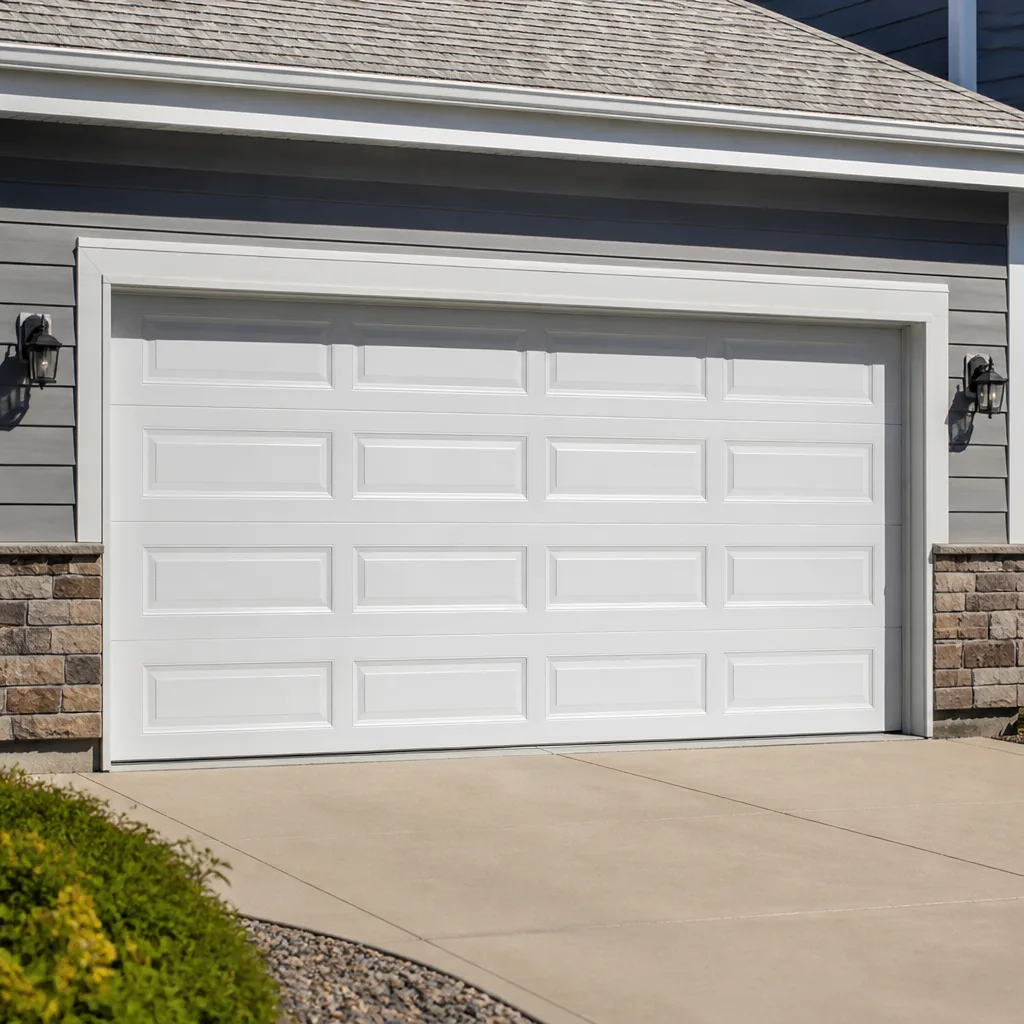 Raised-panel steel
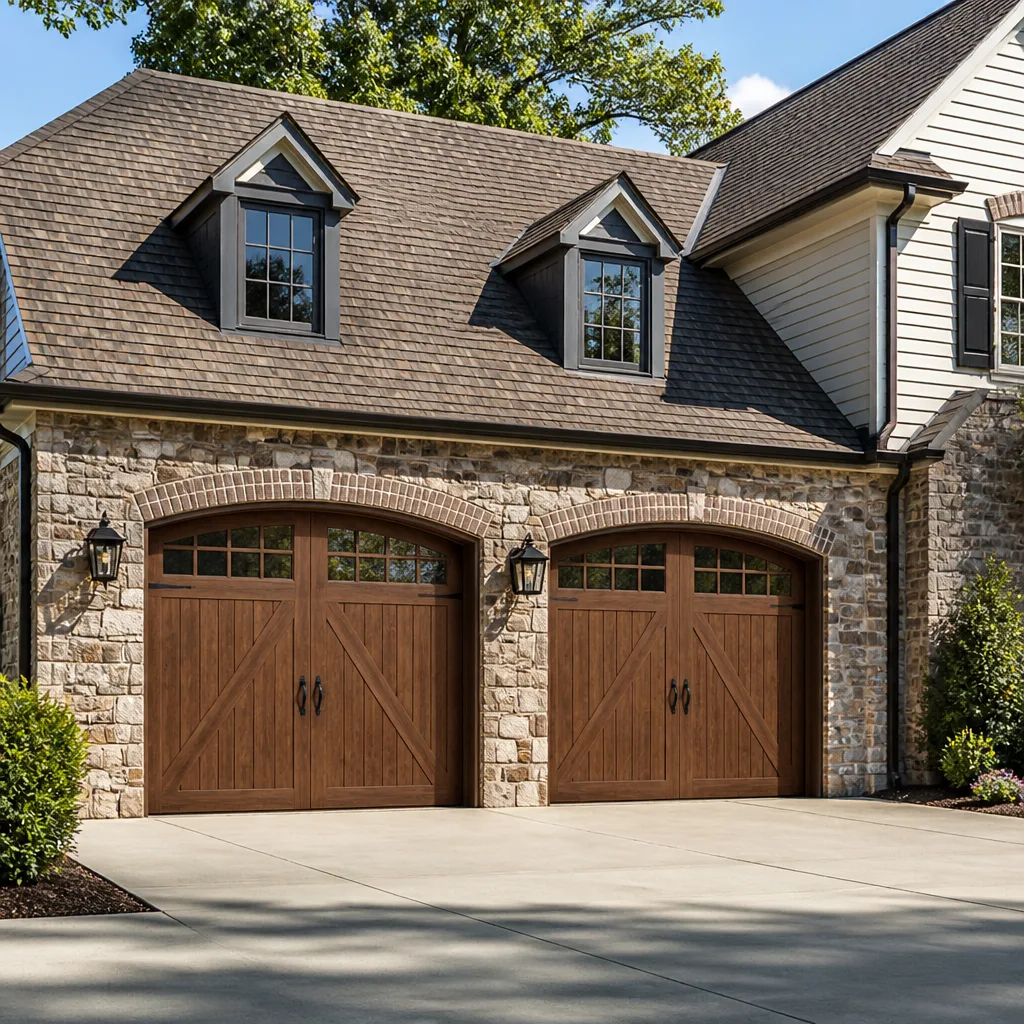 Carriage house
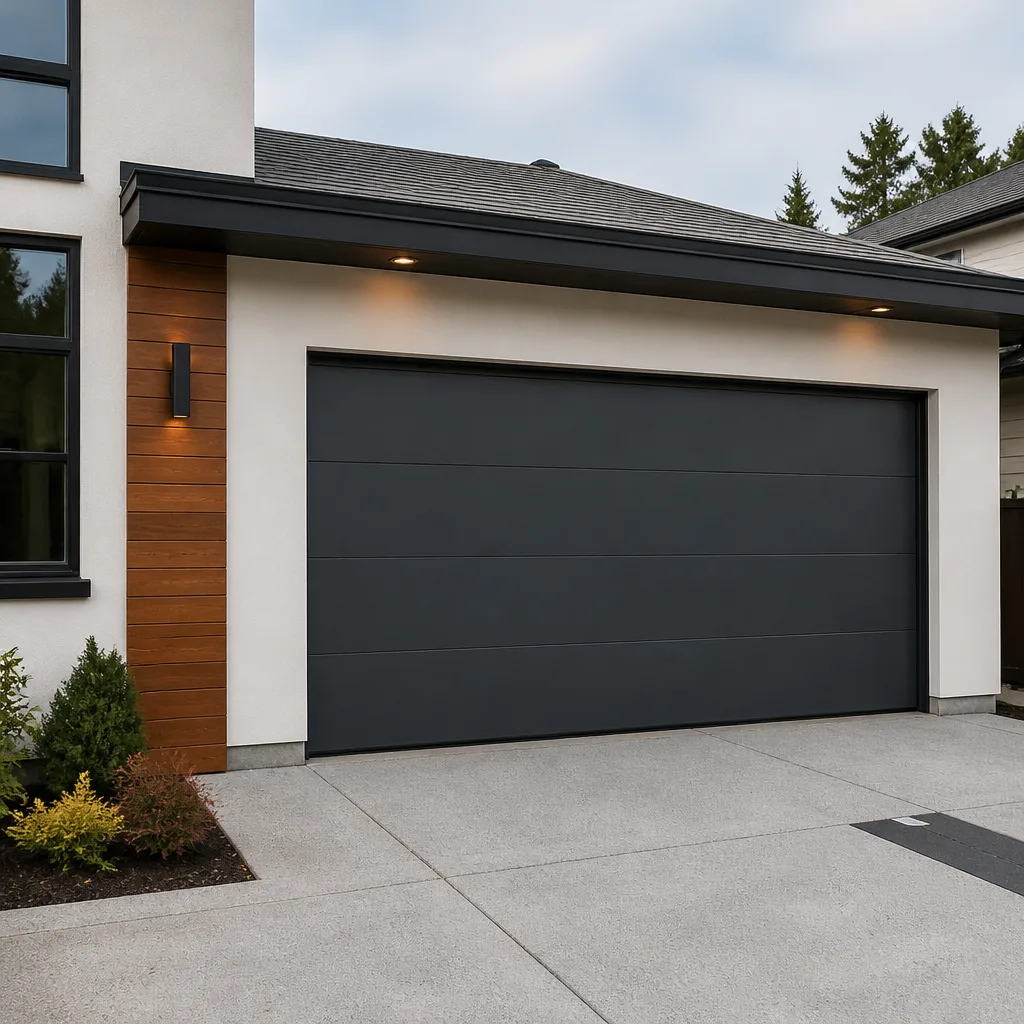 Modern flush
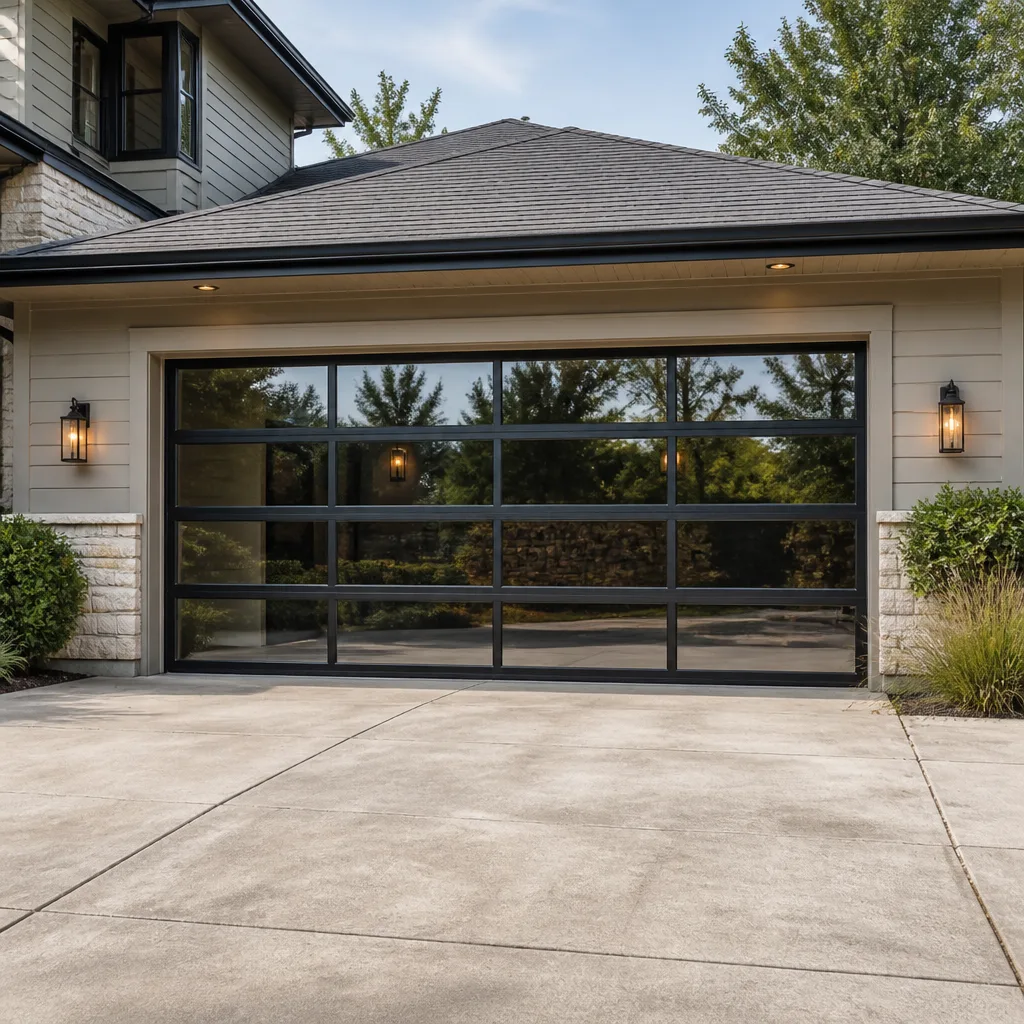 Full-view glass
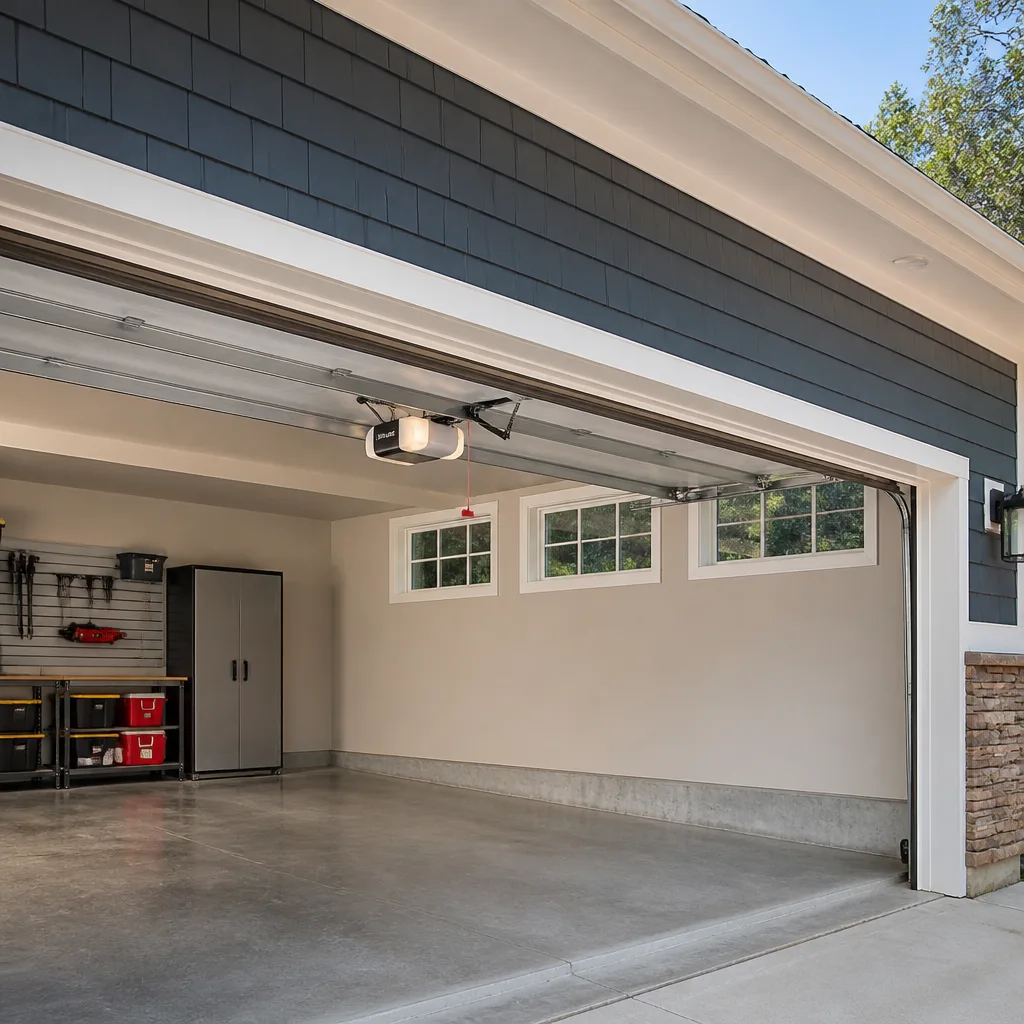 LiftMaster openers
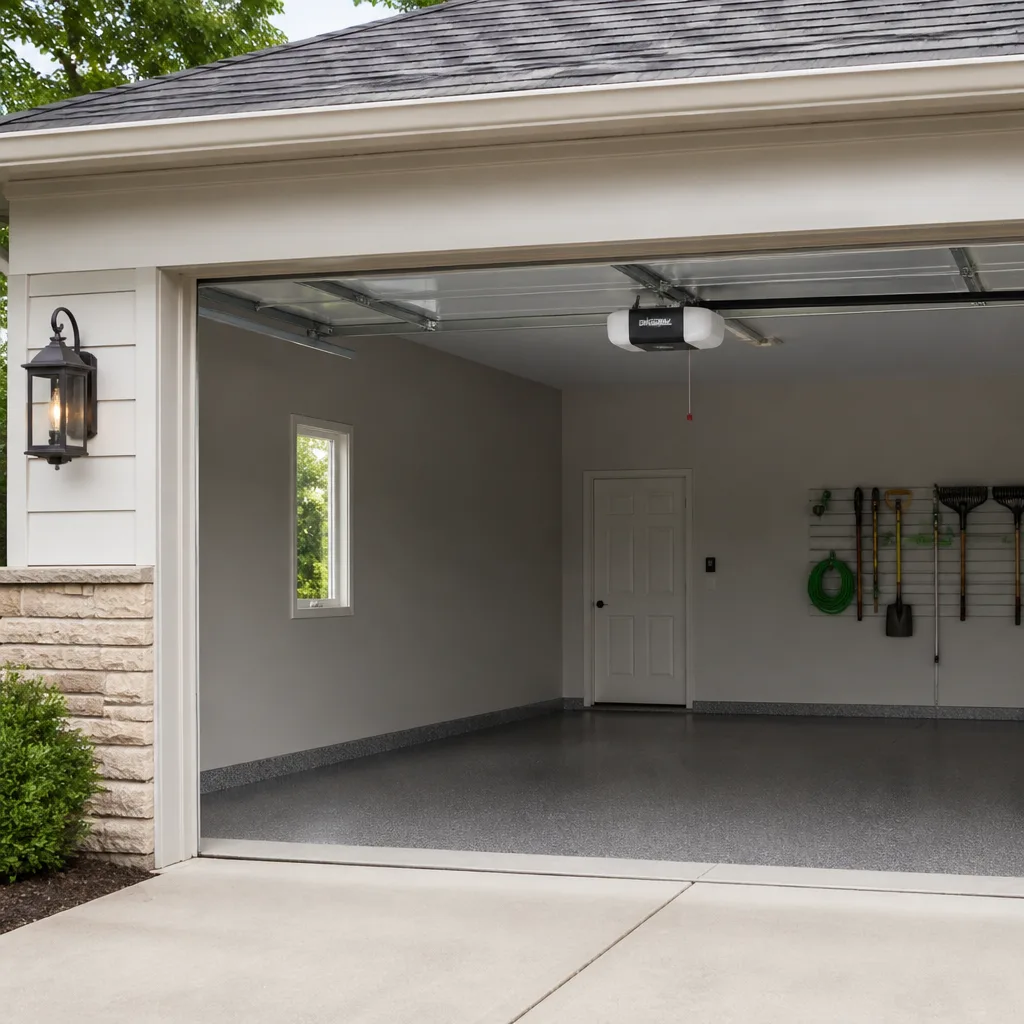 Chamberlain openers
Full 25-point door and opener safety check with every visit - springs, cables, rollers, tracks, and your LiftMaster or Chamberlain opener included
You get a price before we start. It does not change when the pro arrives.
Get your free estimateGarage Door Permits, Codes & Inspections in East Harlem, NY: What You Need to Know
Most East Harlem homeowners assume a garage door is a private piece of equipment, the same as a water heater or a furnace, and that replacing one is nobody’s business but their own. That assumption is where trouble starts. A garage door sits on the exterior face of a building, often on a landmarked block, and a full replacement can be a structural alteration in the eyes of the NYC Department of Buildings. If your contractor never mentioned a permit for your full door replacement, that’s either a red flag or a knowledge gap, and in East Harlem, where brownstone block designations are common, the difference between a repair and a structural alteration isn’t always obvious. This guide explains when permits apply, how landmark approval works here, what the energy code asks of insulated doors, and why unpermitted work can stall a closing.
Quick Answer
In East Harlem, NY, replacing an entire garage door or altering the opening, header or structural framing usually requires a permit from the NYC Department of Buildings, while repairing a torsion spring, cable, roller or opener typically does not. Buildings inside a designated historic district add a second layer of approval before any exterior change. Get a written estimate that says who pulls the permit and what it covers before work starts.
Styles & brands we work with
- Raised-panel steel
- Carriage house
- Modern flush
- Full-view glass
- LiftMaster openers
- Chamberlain openers
Table of Contents
- When Does NYC Require a Permit for Garage Door Work?
- How East Harlem’s Landmark Blocks Add a Second Layer of Approval
- What the NYC Energy Conservation Code Requires of Insulated Doors
- How Unpermitted Work Shows Up on a Title Search
- The Practical Process: Who Pulls the Permit and How Long It Takes
- What an Inspection Actually Looks At
- Repair or Replace? Deciding Before the Paperwork
- Common Mistakes to Avoid
When Does NYC Require a Permit for Garage Door Work?
The NYC Department of Buildings generally requires a permit when garage door work changes the building structure or the size of the opening, and generally does not when you’re swapping or repairing parts on an existing door. The line is about structure, not about cost or about how big the door is. A door that fills the same opening with the same dimensions is a replacement of equipment. A door that requires cutting, adding a header, widening the rough opening or reinforcing framing is an alteration to the building.
Here’s how the split usually shakes out:
- Component repair (usually no permit): torsion spring replacement, cable replacement, roller and hinge swaps, track straightening, panel replacement within the same dimensions, and opener repair. This is the routine work covered by garage door repair and it doesn’t touch building structure.
- Opener replacement or new electrical work (often requires an electrical permit): a straight swap of a plug-in opener on an existing circuit is one thing. Running a new dedicated circuit, adding a disconnect, or wiring a new location in the garage is electrical work, and electrical work is permitted separately. Ask who is signing for that.
- Full door replacement in the same opening (permitting varies, ask): this is the grayest zone. Some filings are accepted without a permit because dimensions don’t change. Others aren’t. The only reliable answer comes from the DOB, and a specialist should be the one asking.
- Structural header modification, widened opening, new opening (permit required): cutting a header, adding a beam, or creating a door where none existed is structural work and needs a filing. It may also need an engineer or architect depending on the scope.
We’ve seen the confusion run in both directions in East Harlem. A homeowner spends weeks worried about a permit for a spring swap that never needed one, while a full door replacement with a modified header goes in without a filing. The permit question isn’t about the door. It’s about what the door is attached to.
A word on safety here, because it belongs in any conversation about opening structure: the torsion spring and the cables under tension at the top of your door can cause serious injury if handled wrong. Never try to release or adjust them yourself. That’s a job for a trained technician with the right winding bars and the right understanding of the load. Tracks, panels and cosmetic parts are a different story, but springs and cables are not a homeowner job.
How East Harlem’s Landmark Blocks Add a Second Layer of Approval
If your building sits inside a designated historic district in East Harlem, the DOB is not the only office that has a say. Any exterior change to a building in a historic district also goes before the NYC Landmarks Preservation Commission (LPC), and that review happens before the work, not after. This is the step that catches people off guard, because it doesn’t appear on the DOB side of the filing at all.
Historic districts in and around East Harlem cover a mix of brownstone blocks, rowhouses and older apartment buildings. What that means in practice is a design review: door material, panel profile, glazing, and sometimes color. If your block has a consistent rhythm of paneled wood or a particular style of steel door, the commission is likely to want the replacement to read as compatible with it. A modern full-view aluminum door with frosted glass might be exactly what you want. It might also be the kind of change that gets bounced back for a different design.
Properties involved with HPD add yet another wrinkle. If your building has any HPD involvement, whether through a loan program, a violation history, or a regulatory agreement, the agency may have its own requirements for exterior work and its own sign-off. That’s separate from both DOB and LPC and it’s easy to miss.
How this plays out for a homeowner:
- Check the designation first. Look up whether your address falls inside a historic district. The LPC publishes district maps. This takes five minutes and changes the entire plan.
- Get a design that’s likely to pass before you order. For a landmarked block, match the existing door’s proportions and material family rather than starting from a catalog photo. Brands like Clopay and Amarr offer panel profiles and finishes that read as traditional, which helps in review.
- File with the LPC before the DOB or in parallel, as your expediter advises. A full replacement on a landmarked block isn’t a same-day job. It’s a measured, ordered and scheduled one.
- Keep every approval document. They’re part of your building record and they matter at resale.
Landmark review is where a generalist handyman runs out of road. A garage door specialist who has worked East Harlem blocks knows what the commission wants to see and can steer the specification before you pay a deposit on a door that won’t be approved. We work with the door brands we know well for exactly this reason: the specification conversation happens once, not three times.
What the NYC Energy Conservation Code Requires of Insulated Doors
If your garage is a conditioned space, meaning it’s heated or cooled as part of the living area, or if the garage wall is a thermal boundary of the building, the NYC Energy Conservation Code applies to the door. That means the door needs an insulation rating appropriate to the assembly, and the code looks at the whole assembly, not the door panel in isolation. A door with a good R-value in a leaky frame with no weatherstripping is not a code-compliant assembly.
The practical requirements to know:
- Insulation matters when the garage is conditioned. An uninsulated garage attached to a heated house loses heat through the door, and the code treats that as part of the envelope. Insulated doors with a continuous thermal break in the panel perform far better than doors where the insulation is interrupted by the frame.
- Air sealing is part of the requirement. Weatherstripping at the sides, a bottom seal that actually contacts the floor, and a threshold that closes the gap are what make the rating real. Ask your installer about the seal, not just the R-value on the sticker.
- The code is local and current. NYC periodically updates its energy code and adopts new editions. Don’t rely on a decade-old number from a blog. Ask the DOB or a licensed expediter what the current code asks of your assembly.
- Insulated doors change the opener load. A heavier insulated door needs an opener rated for its weight and balance, which is why an opener replacement often goes hand-in-hand with a door upgrade. If you’re changing both, plan for the electrical permit at the same time.
In East Harlem, this comes up most often in converted rowhouses where the ground floor was once a garage and is now living space. The door is still there, the wall is now heated, and the old uninsulated panel is doing nothing for the envelope. If this is your building, upgrading to an insulated door is part of the energy picture, and the permit question is part of the upgrade. Our garage door installation work on these conversions starts with a measure and a written plan, not with a truck full of doors.
How Unpermitted Work Shows Up on a Title Search
Unpermitted garage door work has a way of surfacing at the worst possible moment: during a real estate closing. A title search won’t label a garage door specifically, but an open permit, a stop-work order, a DOB violation, or an LPC violation tied to your address will absolutely show up. In NYC, a property with open permits or unresolved violations can stall a closing, force a buyer’s attorney to demand remediation, or push a seller into a price concession. None of this is the kind of thing you want to discover after you’ve accepted an offer.
What a seller should know:
- Open permits are visible. The DOB maintains a public record. An inspector or an attorney pulling your address will see anything still showing as open.
- Landmark violations are recorded too. An LPC violation on an exterior element, including a door, can hold up a transaction until it’s resolved.
- “It was already like that when I bought it” is not a defense. The record follows the property, not the person. A new owner inherits the problem.
- Resolving an open permit after the fact is more work than filing before. You may need an as-built survey, an engineer’s letter, or a re-inspection. The cost and timeline both go up.
For East Harlem properties, where turnover happens and where a lot of buildings have changed hands and changed use over the years, this is a real risk. If you’re planning to sell within a few years, the cost of doing the door replacement right with a permit is small compared to the cost of a stalled closing. If you’re buying, ask your attorney to check the DOB and LPC records specifically, not just the standard title search.
The Practical Process: Who Pulls the Permit and How Long It Takes
A licensed garage door specialist, or an expediter working on their behalf, pulls the permit. The homeowner should not be the one filing, and a contractor who hands you a permit application and says “you’ll need to take care of this” is telling you something about the job. The permit is signed by the party responsible for the work, and that party should be doing the work.
Here’s how the process runs in practice for a full replacement in East Harlem:
- Measure and specification. A technician measures the opening, checks the header, checks the balance and the opener, and writes a specification. This is where the door style, R-value and opener load get decided. No cost is committed yet.
- Permit determination. The specialist checks whether the work is structural, whether the building is in a historic district, and whether electrical work is involved. This is where the DOB and, if relevant, LPC filings get sorted out.
- Filing and review. The permit application goes in. In a historic district, the LPC design review happens before or alongside the DOB filing. Timelines vary by scope and by the reviewing office’s current workload, so nobody should promise you a number of days. Ask for a realistic range and get it in writing.
- Approval and scheduling. Once the permit is issued, the door is ordered and the install scheduled. This is not a same-day job. It’s measured, ordered and scheduled, and the written price is confirmed before the work starts.
- Installation. The old door comes out, the new one goes in, the opener is set, and the door is balanced and tested.
- Inspection. The DOB inspects the work. In a historic district, the LPC may also inspect. The permit closes out only after the inspection passes.
Compare that to a repair. If your torsion spring snapped and your door won’t open, there’s no permit involved and the job is a Same-Day Repair in most cases. That’s where the difference between a specialist and a generalist really shows. A specialist handles both ends of the spectrum: the fast repair that gets you back up and running today, and the measured, permitted replacement that takes planning. When you call, we’ll tell you which one you’re in.
What an Inspection Actually Looks At
A garage door inspection during a permitted job checks that the installed work matches the filed scope and that the assembly is safe and functional. The inspector isn’t grading the aesthetics of your door. They’re confirming that what was approved is what’s there, and that the door operates safely.
The usual checklist:
- Dimensions and location. The opening size and the door location match the approved drawings.
- Header and framing. Any structural work specified in the filing was done and is visible.
- Attachment and anchorage. Track brackets, hinges and spring anchors are secured to sound material.
- Balance and operation. The door opens and closes smoothly, stays where you leave it, and doesn’t bind or drop.
- Safety features. A working automatic reverse on the opener and properly installed photo-eye sensors where the opener requires them.
- Insulation and sealing. Where the energy code applies, the assembly is sealed and the rating matches the filing.
A failed inspection usually means something was skipped or the installed work diverges from the filing. Re-inspection costs time. It’s the reason the specification and the filing should be done together, before anything is ordered. When we handle garage door opener repair alongside a door replacement, the opener specification and the electrical question get resolved at the same stage, so the inspection doesn’t surface a problem the plan didn’t address.
Repair or Replace? Deciding Before the Paperwork
Before you start thinking about permits and landmark review, confirm you actually need a full replacement. In our experience a lot of jobs that look like replacements are repairs, and a lot of repairs that get pushed off become replacements. The condition of the door and the age of the assembly decide it, not the quote.
Repair is usually the right call when:
- The panels are solid, the frame is square and only the springs, cables or rollers have failed.
- The opener has failed but the door itself is balanced and undamaged.
- The door is out of track and can be realigned without structural work.
- You’re dealing with a single broken component and the rest of the assembly is sound.
Replacement is the right call when:
- Panels are rusted through, cracked or delaminating and can’t be sourced for your model.
- The header is failing, the opening is out of square, or the track anchorage is pulling out of the wall.
- The garage is conditioned and the existing door is uninsulated, and you’re trying to fix the envelope.
- You’re changing the size of the opening or installing a door where there wasn’t one.
If it’s repair, the job is straightforward and usually done quickly. If it’s replacement, the permit question and the landmark question come into play, and the process takes planning. A specialist should be able to tell you which one you’re looking at during the estimate, without pressure. Our technicians have up to 12 years of experience across the brands we work with, including Chamberlain, Genie, Clopay and Amarr, and that experience usually resolves the repair-versus-replace question on the first visit.
Common Mistakes to Avoid
- Assuming a full door replacement never needs a permit. In many East Harlem cases it does, especially when the opening changes. If your contractor doesn’t raise the question at all, ask it yourself and get the answer in writing.
- Ignoring the historic district. A landmarked block in East Harlem means LPC review before the work, not after. Fitting the door first and asking for forgiveness later is how violations start.
- Letting the contractor leave the permit to you. The party responsible for the work should pull the permit. If they decline, that’s your signal.
- Buying the door before the design review. On a landmarked block, ordering before approval can mean paying for a door you can’t install. Confirm the design first.
- Skipping the seal when you upgrade insulation. A rated door with a bad bottom seal and no weatherstripping isn’t a code-compliant assembly. Insist on the full envelope.
- Not checking DOB and LPC records before buying in East Harlem. An open permit or a violation on a property you’re about to buy is your problem once you own it. Have your attorney check before closing.
- Trying to handle a broken spring yourself to save money. Torsion springs and cables are under high tension and can cause serious injury. That job belongs to a trained technician, not a homeowner with a set of wrenches.
See the difference
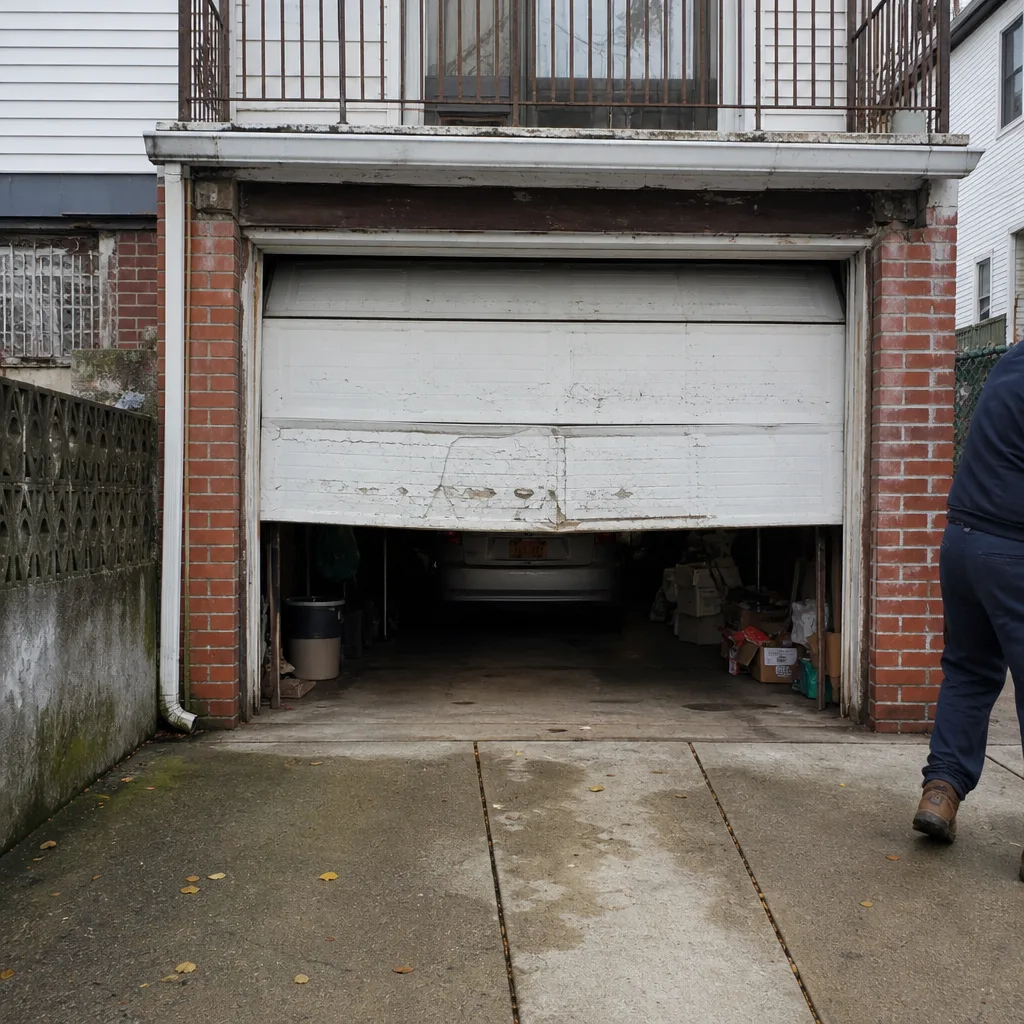 Before
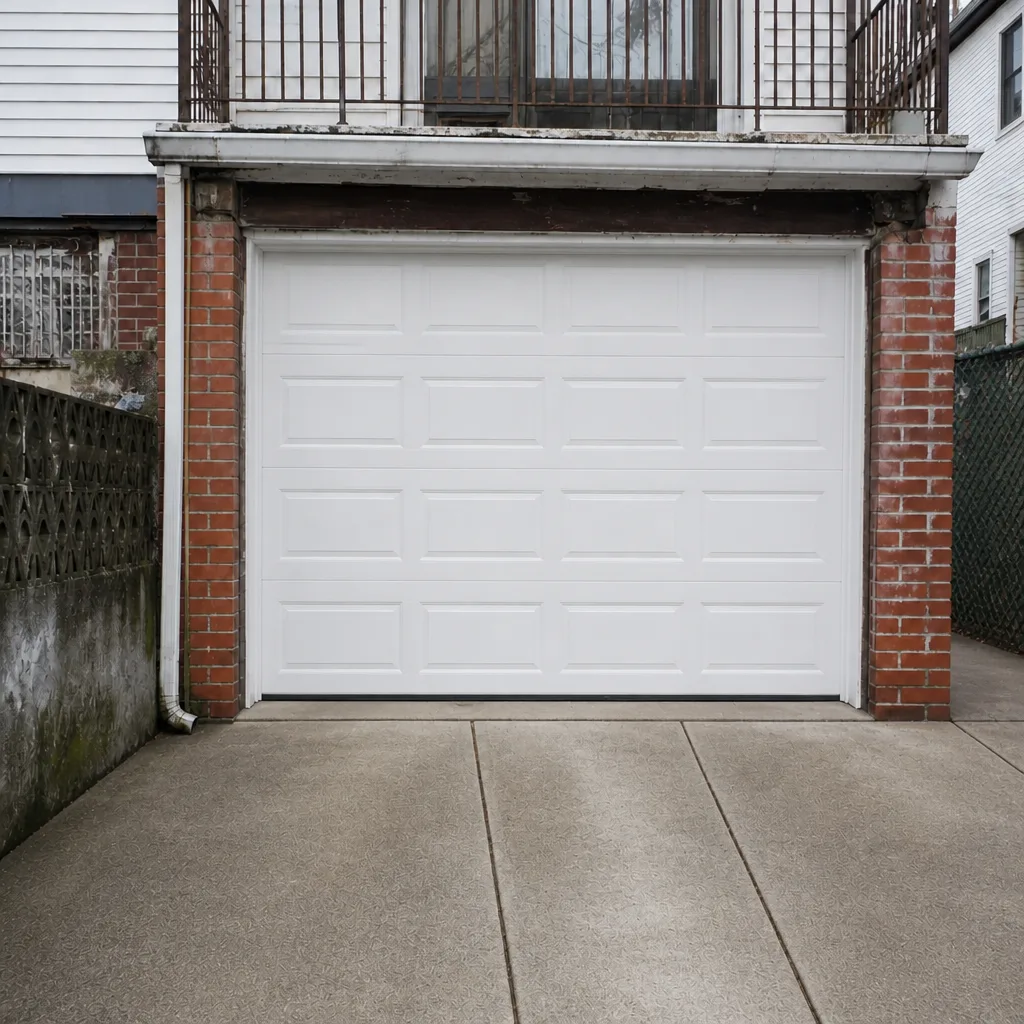 After
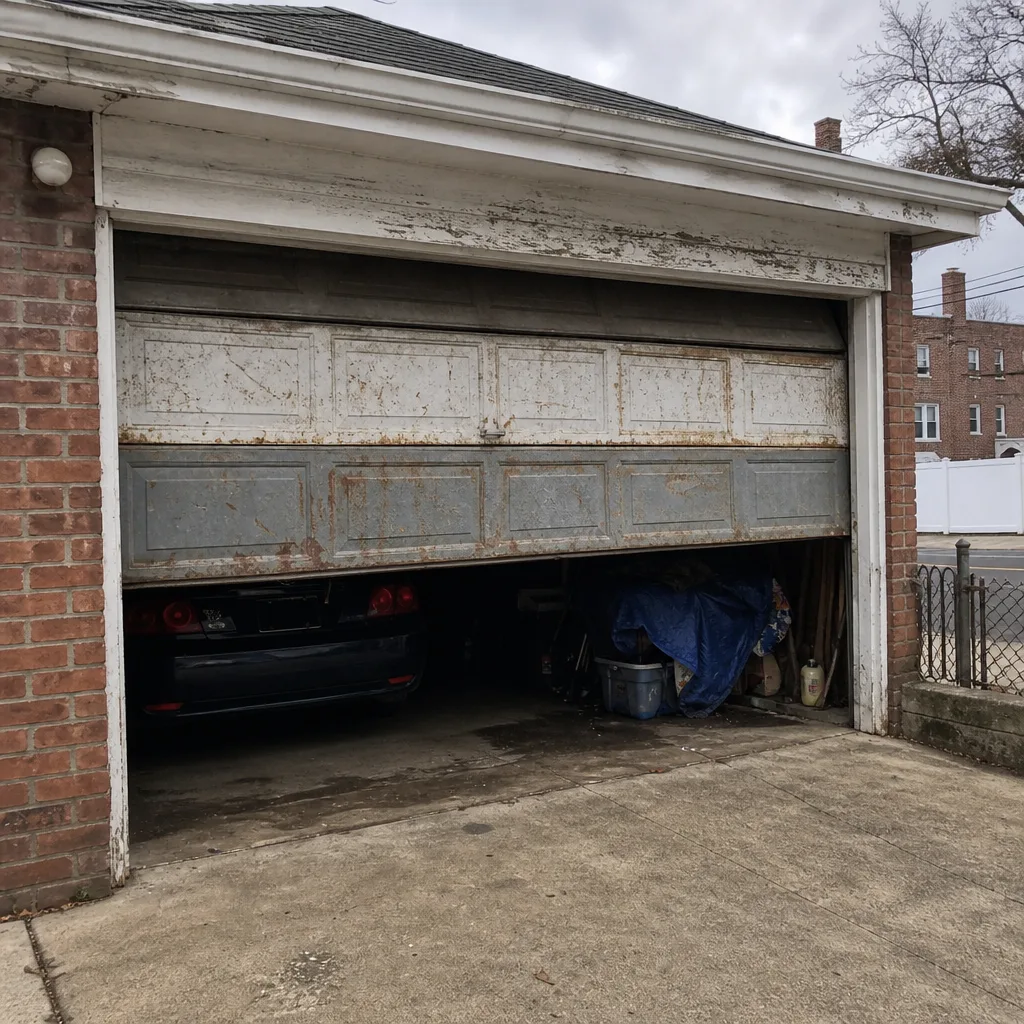 Before
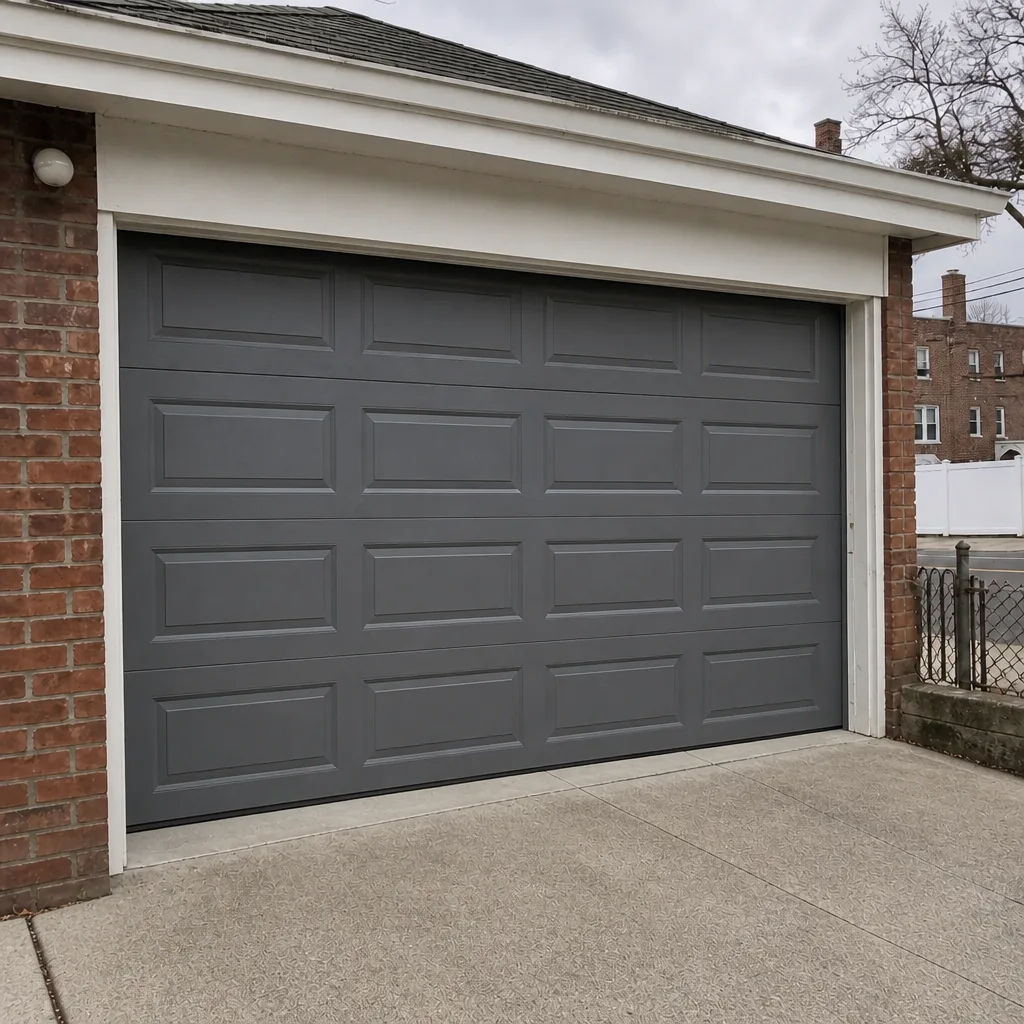 After
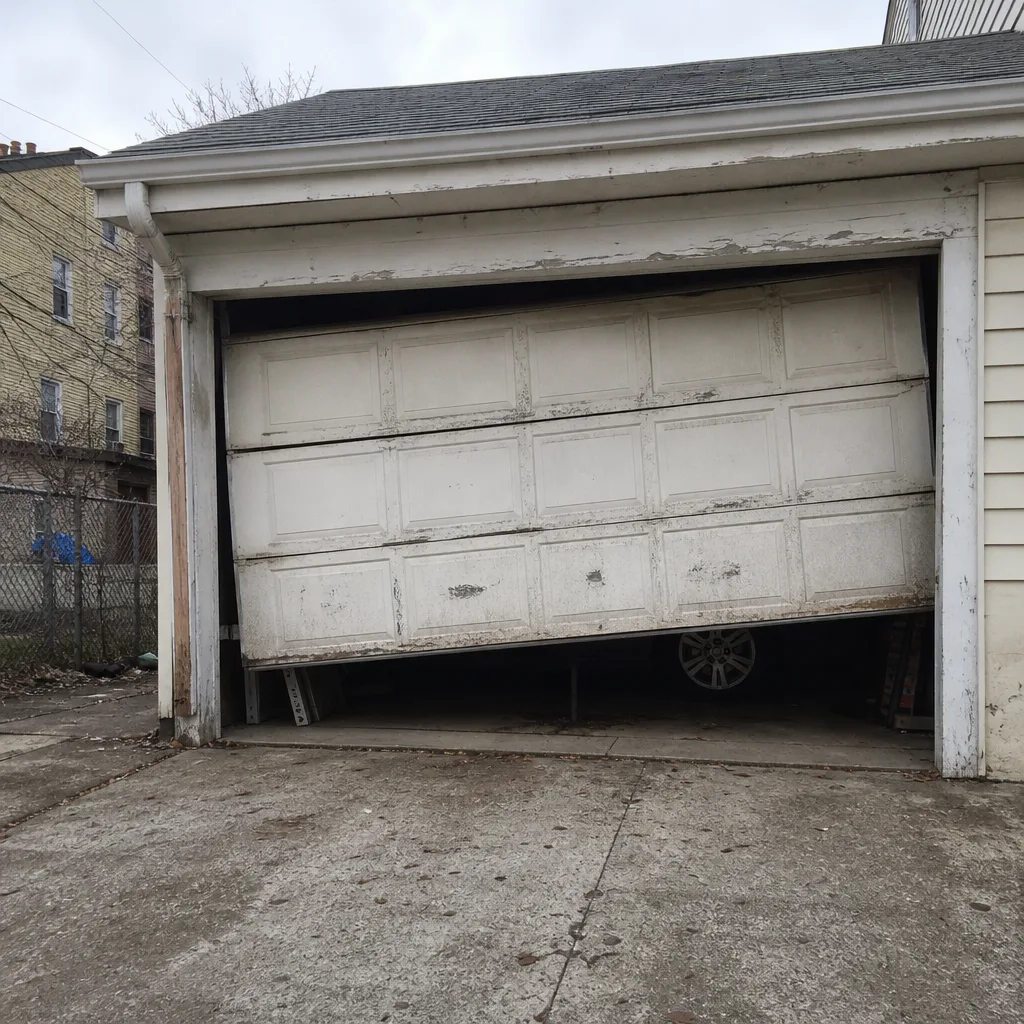 Before
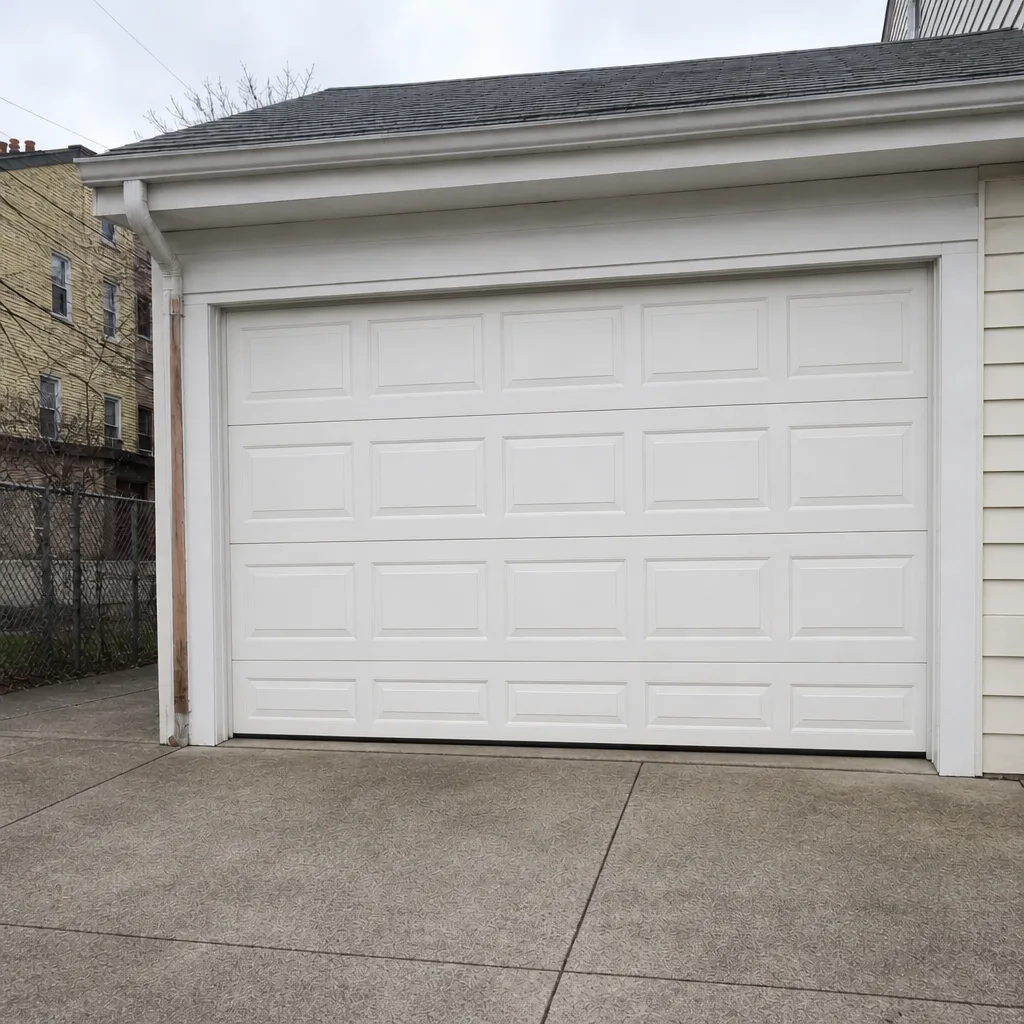 After
When to Call a Professional
Call a specialist when you don’t know whether your project needs a permit, when you’re on a landmarked block in East Harlem and don’t know which office reviews the design, when your garage is conditioned and you’re not sure what the energy code requires of a new door, or when you’re planning to sell and want the permit side of a past replacement checked. Call us as well if a spring has snapped, a door has come off its track, or your opener has quit and the door won’t open. Those are repairs, and they don’t need permitting, but they do need a trained technician. Garage Door Repair East Harlem offers free estimates in East Harlem. Call (866) 401-4528. We answer 24/7, with fast dispatch from 7am to 7pm, Sunday through Friday.
Frequently Asked Questions
It depends on what’s changing. A replacement in the same opening with no structural work may not need a DOB permit, while a replacement that widens the opening, adds a header or reinforces framing definitely does, and any exterior change on a landmarked block also goes before the LPC. The answer is property-specific, so the right question is “for my address, what does the DOB require?” Call (866) 401-4528 and we’ll walk through the scope before you commit to anything.
No. Spring repair, cable repair, roller and hinge replacement, track straightening and opener repair are component work on existing equipment and don’t require a DOB permit. New electrical circuits for an opener are a separate matter and may need an electrical permit. Call (866) 401-4528 to get an estimate and we’ll tell you which category your job falls into.
Any exterior change to a building inside a designated historic district also goes through the NYC Landmarks Preservation Commission, which reviews the design before the work. That means material, panel profile and proportions, and it means approval comes before the door is ordered. Call (866) 401-4528 and we’ll help sort out whether your block is designated before you pick a door.
Yes, it can. Open permits and unresolved DOB or LPC violations tied to the address show up in a title search and can stall or complicate a closing until they’re cleared. The cost of resolving them after the fact usually exceeds the cost of filing correctly up front. Call (866) 401-4528 if you’re planning to sell and want a specialist to review the scope.
Permit fees are set by the filing agency and vary by scope, and the written estimate should state clearly what the permit filing covers so the price doesn’t drift once the work starts. The estimate is free and the price is quoted and agreed before any work begins. Call (866) 401-4528 for an exact quote.
No. A full replacement is measured, ordered and scheduled, and on a landmarked block the design review comes first. Repairs are different and can often be handled as a Same-Day Repair. Call (866) 401-4528 and we’ll tell you which timeline applies to your job.
The Bottom Line
In East Harlem, a garage door isn’t just equipment on the front of a building. It’s part of the building, and that changes the paperwork. Component repair, including the spring, cable and opener work that makes up most of what we do, doesn’t need a DOB permit. A full door replacement or a structural change to the opening often does, and a landmarked block adds LPC review before the door is ordered. Unpermitted work surfaces at a closing and costs more to resolve than to file correctly. If you’re planning a door replacement, get the permit question answered before you commit. If your spring has snapped or your door won’t open, that’s a repair and we can help today. For a free estimate, call (866) 401-4528. We answer 24/7, with fast dispatch from 7am to 7pm, Sunday through Friday.
Written by the team at Garage Door Repair East Harlem.